



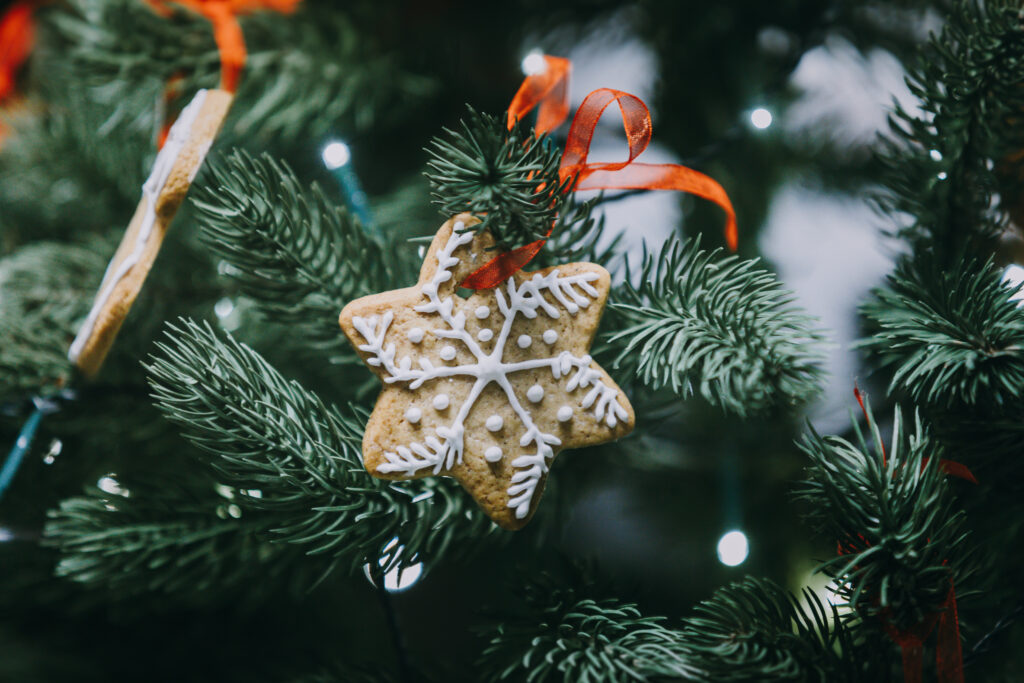


 One of the sweetest parts of celebrating the holiday season is baking cookies with family and friends. At Price Chopper and Market 32, we love these treats as much as you do and have many different favorites of our own. Whether they’re family traditions or simply the most satisfying to our sweet tooth, we are pleased to share some our holiday favorites with you!
Our teammates are big fans of peanut butter, especially when it comes to Christmas
One of the sweetest parts of celebrating the holiday season is baking cookies with family and friends. At Price Chopper and Market 32, we love these treats as much as you do and have many different favorites of our own. Whether they’re family traditions or simply the most satisfying to our sweet tooth, we are pleased to share some our holiday favorites with you!
Our teammates are big fans of peanut butter, especially when it comes to Christmas

Teammates Celina R. and Alison P. from our Storrs, CT store!
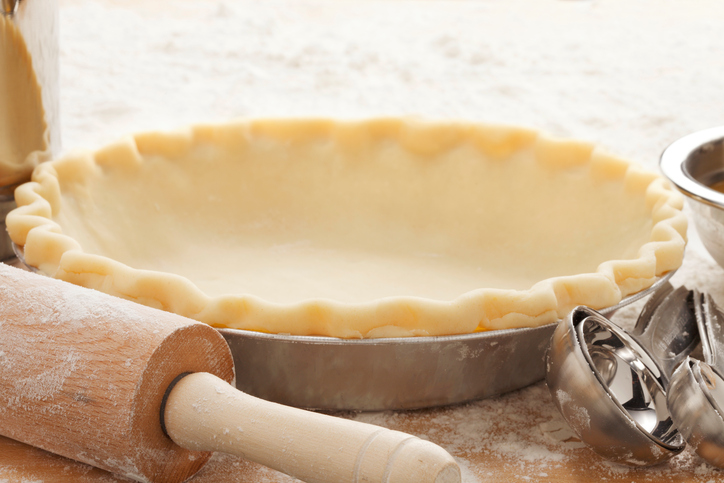 When it comes to baking a pie, mastering the crust is key! While you can purchase pre-made pie crusts in the dairy & frozen section of our stores, making a pie crust from scratch will make your pie the star of the dessert table! Below are some tried & true tips to help get you started!
- Your butter & water must be cold; even frozen butter works as long as you cut it into cubes before freezing
- Measure ingredients carefully to prevent a tough, greasy or soggy crust
- Cut the fat into the flour just until the size of peas (use a fork or pastry blender)
- Handle pie dough as little as possible to ensure a flaky and tender crust
- Chill pie dough for several hours to tenderize the dough, and prevent shrinkage during baking
- Allow the dough to come to room temperature before rolling
- Roll dough from the center out to a 1/8̋ thickness or less
- To place the pie crust in the pie pan, carefully loosen it from the cutting board; fold it over the rolling pin. Unroll it into the pan and press down lightly
- Trim any excess dough, leaving approximately ½ ̋ for fluting the edge
- Flute the edge by pinching dough between the thumb and forefinger or seal the edge by pressing the dough with a fork against the rim of the pie pan
- When baking a crust without the filling, prick the dough with a fork and place dry beans or rice in the bottom to prevent shrinkage while baking. Bake in a preheated 450°F oven for 10 -12 minutes or until lightly browned.
- For the crust to be baked with a filling, do not prick the crust. For pies with juicy fillings, brush the bottom of the crust with egg white or melted butter to prevent a soggy crust.
- For pies that bake more than 30 minutes, place a rim of foil around the edge of the crust during the first half of baking to prevent over-browning
- 2 PICS eggs
- 1 cup PICS sugar
- ½ cup Price Chopper flour
- ½ cup PICS butter, melted
- 1 T. PICS vanilla
- 1 cup PICS pecans, chopped
- 6 oz. semi sweet chocolate morsels
- 1 pastry shell, unbaked
 PC: How long does it take from seed for a tree to grow full-sized?
RH: It usually takes about 12-20 years from seed to grow a full-sized tree. When planting new trees we usually transplant trees that are already about 5 years old and 14 inches tall.
PC: When do you start cutting down trees for the Christmas season?
RH: I usually start cutting down trees the day after Halloween, however with the warmer weather this year we had to continually put off cutting down the trees. Every tree must go through 2-3 hard frosts or “killing frosts” before they’re ready for cutting and bring home. After 2-3 hard frosts the trees enter dormancy, when trees are cut in dormancy they last longer in household temperatures and hold onto their needles.
PC: How long did you have to wait to cut down trees this year as a result of the warmer temperatures?
RH: This year we started cutting trees down a few days before Thanksgiving, and I was able to start delivering them the day after Thanksgiving.
PC: How many new trees do you plant each year?
RH: About 3,000 new trees every year.
PC: What growing methods do you use for your Christmas trees?
RH: No chemicals, sprays or fertilizers are used. The farm is USDA GAP [Good Agricultural Procedures] Certified. GAP ensures safe, environmentally friendly growing practices, regardless of the crop. We voluntarily go through this audit to verify the produce and trees we grow are handled and stored in the safest way possible.
PC: What’s your favorite variety of tree to grow?
RH: Balsam fir. Balsam fir trees are indigenous to the area (since they are native to the area they grow fast than other varieties) and they hold up the longest once cut and put indoors. An added bonus to growing balsam fir trees is that the deer do not like to nibble on them unlike other varieties!
PC: What is your favorite part of growing Christmas Trees?
RH: My favorite part of growing Christmas trees takes place in the summer time. After a long day on the farm attending to the other crops [Richie also grows berries, corn, and other vegetables] is mowing in between the rows of trees. I go out after dinner when it’s still light out and everyone who works on the farm with me has gone home. Mowing in between the trees is very peaceful, quiet, and I have a beautiful view of the mountains.
PC: What are some tips you could offer for keeping a healthy tree during the holiday season?
RH: When you get your tree home, cut about an inch off the base. When the trees are first cut sap starts to bleed and forms a cement-like layer along the base of the tree preventing it from taking in any water.
PC: How often should you water your Christmas tree?
RH: You should check to make sure the base is full every one to two days. A tree can use up to a quart of water a day!
PC: How should trees be disposed of, once the holidays are over?
RH: I recommend checking to see if there are any local ordinances in place. Many towns recycle Christmas trees either into mulch to be used in gardens and parks or are used to make barriers to prevent soil erosion.
We would like to thank Richie Hourihan for being a partner with us and for taking the time to share his knowledge about harvesting trees. We love being able to provide locally grown products to our customers and that would not be possible without farmers like Richie.
From our family to yours, have a very Merry Christmas.
PC: How long does it take from seed for a tree to grow full-sized?
RH: It usually takes about 12-20 years from seed to grow a full-sized tree. When planting new trees we usually transplant trees that are already about 5 years old and 14 inches tall.
PC: When do you start cutting down trees for the Christmas season?
RH: I usually start cutting down trees the day after Halloween, however with the warmer weather this year we had to continually put off cutting down the trees. Every tree must go through 2-3 hard frosts or “killing frosts” before they’re ready for cutting and bring home. After 2-3 hard frosts the trees enter dormancy, when trees are cut in dormancy they last longer in household temperatures and hold onto their needles.
PC: How long did you have to wait to cut down trees this year as a result of the warmer temperatures?
RH: This year we started cutting trees down a few days before Thanksgiving, and I was able to start delivering them the day after Thanksgiving.
PC: How many new trees do you plant each year?
RH: About 3,000 new trees every year.
PC: What growing methods do you use for your Christmas trees?
RH: No chemicals, sprays or fertilizers are used. The farm is USDA GAP [Good Agricultural Procedures] Certified. GAP ensures safe, environmentally friendly growing practices, regardless of the crop. We voluntarily go through this audit to verify the produce and trees we grow are handled and stored in the safest way possible.
PC: What’s your favorite variety of tree to grow?
RH: Balsam fir. Balsam fir trees are indigenous to the area (since they are native to the area they grow fast than other varieties) and they hold up the longest once cut and put indoors. An added bonus to growing balsam fir trees is that the deer do not like to nibble on them unlike other varieties!
PC: What is your favorite part of growing Christmas Trees?
RH: My favorite part of growing Christmas trees takes place in the summer time. After a long day on the farm attending to the other crops [Richie also grows berries, corn, and other vegetables] is mowing in between the rows of trees. I go out after dinner when it’s still light out and everyone who works on the farm with me has gone home. Mowing in between the trees is very peaceful, quiet, and I have a beautiful view of the mountains.
PC: What are some tips you could offer for keeping a healthy tree during the holiday season?
RH: When you get your tree home, cut about an inch off the base. When the trees are first cut sap starts to bleed and forms a cement-like layer along the base of the tree preventing it from taking in any water.
PC: How often should you water your Christmas tree?
RH: You should check to make sure the base is full every one to two days. A tree can use up to a quart of water a day!
PC: How should trees be disposed of, once the holidays are over?
RH: I recommend checking to see if there are any local ordinances in place. Many towns recycle Christmas trees either into mulch to be used in gardens and parks or are used to make barriers to prevent soil erosion.
We would like to thank Richie Hourihan for being a partner with us and for taking the time to share his knowledge about harvesting trees. We love being able to provide locally grown products to our customers and that would not be possible without farmers like Richie.
From our family to yours, have a very Merry Christmas.