


Ellie Wilson
MS, RDN, CDN
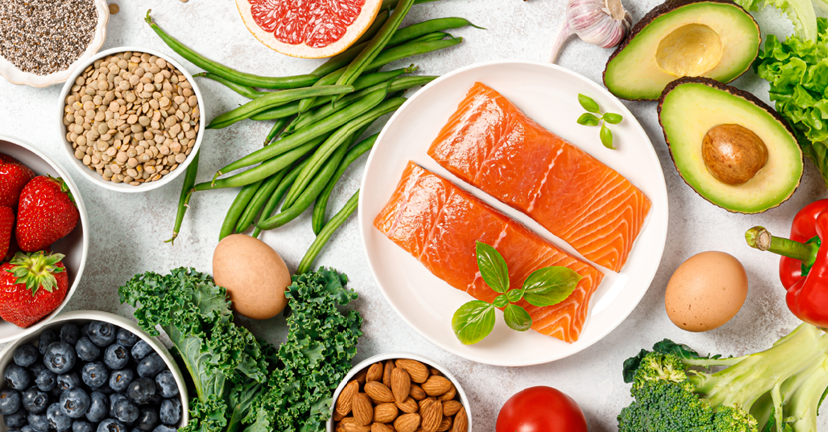
Happy National Nutrition Month! This unique annual celebration of the benefits food brings to our lives marks 50 years the Academy of Nutrition and Dietetics has been working to create awareness that better health is built on the transformational power of nutrition. The theme this year, Fuel for the Future, recognizes that food choices and sustainability are always intertwined; fueling the future means eating well at every age and stage, and caring for the earth that provides our food.
How can you make this event meaningful for you and your family? Check out these 10 tips to fuel eating well with the environment in mind, this month, and every month.
-Learn about local foods and eat in season. What is your favorite local fruit or vegetable?
-Recycle packaging and containers as much as possible – everyone can be part of the solution!
-Try new fruits and vegetables, or double up on servings of the ones you enjoy – more is better, for you and for the earth.
-Explore foods through flavors and cultures – we live in a global community and learning about cultures through foods creates connection and communication.
-Eat meals and snacks together – family meals are key to better family communications, stronger social skills, better grades, and healthier eating.
-Plan shopping and meals to reduce waste and save money while staying nourished.
-Include children in planning and making meals and snacks when cooking at home. They can also help clean up! The more food skills children have, the more choices they have as they grow.
-Sip smarter – tap water, flavored or sparkling waters or teas without added sugars, in reusable containers, keep you hydrated and healthy.
-If you want a creative, personalized food and health plan, a registered dietitian-nutritionist is the right professional partner. Find one in your area at https://www.eatright.org/find-a-nutrition-expert.
-Practice gratitude for your body and health by eating a variety of foods – fresh, frozen, and canned are all part of a nourishing plan.
Want to discover new recipes? Check out some of our sites:

Mia Teal
E-Commerce Marketing Department
It is hard to believe that today is already the first day of March! For the entire month, Price Chopper and Market 32 are celebrating National Frozen Food Month. We have a large variety of frozen foods, ranging from frozen produce, to ice cream, to frozen meals. Oh, and we cannot forget to mention that you can earn 20,000 bonus points on a freezer this month while supplies last! Continue reading to find out how.
Why Purchase Frozen Foods?
Purchasing frozen foods is a fantastic way to save money and time. Frozen meals are easy to prepare and are budget-friendly. We have delicious meals that can be cooked in minutes, which is perfect if you are in a time crunch. Additionally, unused frozen foods can simply be returned to the freezer and used for another meal. It is a win-win!
Everyone is Included!
At Price Chopper and Market 32, we want to ensure that there is an option for everyone. We have many vegan and vegetarian frozen meal options, as well as dairy-free ice cream and pizza, frozen gluten free bread, and much more. Head over to your local Price Chopper or Market 32 and discover our incredible variety of frozen food.
How Can I Earn 20,000 Rewards Points?
Yes, you read that right. You can earn 20,000 Rewards Points which equals $200 when you purchase an RCA Chest Freezer. Here is the best part; the Chest Freezer costs $200, so you will be earning that $200 back in the form of Points! How cool is that! For more information, please visit our Frozen Food Frenzy.
Want to explore some frozen drinks & bowls? Check out a few cool recipes below!
Caramel Milkshake: A four-ingredient delicious caramel milkshake is a must! Be sure to grab PICS whipped cream to complete this shake.
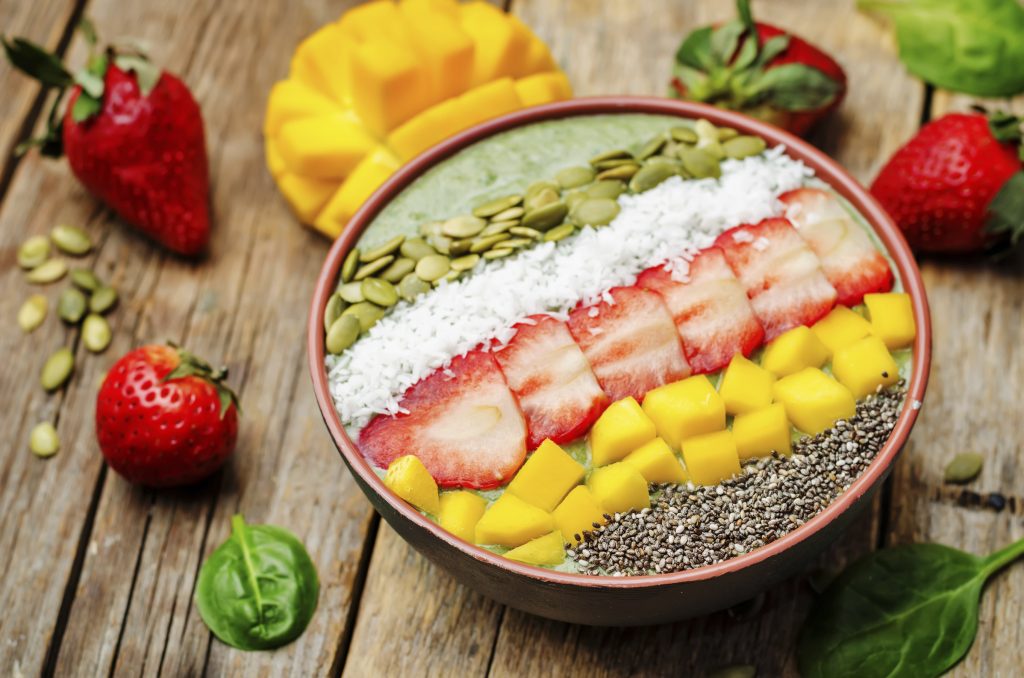
Hawaiian Smoothie Bowl: A tropical smoothie bowl that could be eaten as a meal, snack, or dessert! Feel free to add any other frozen fruits or toppings in this delicious bowl.
Kicked-Up Green Smoothie: A mix of frozen fruits & vegetables. This drink will help energize you throughout your day!
Happy National Frozen Food Month!
Mia Teal
E-Commerce Marketing Department
Who can resist the sweetness of strawberries? Strawberries are not only delicious and juicy, but they are a very popular fruit. According to a 2021 survey, strawberries are among the top favorite fruits for Americans. In fact, the average American will consume 3.4 pounds of strawberries per year, and 94% of United States households eat these delicate fruits.
While strawberries are a delicious snack on their own, there are many different ways to cook or bake with them as an ingredient. Some ideas include making smoothies or ice cream, creating a strawberry dressing, or even making your own jam or jelly. Whatever you decide to do with your strawberries this season, be sure to first stop by your local Price Chopper and Market 32 to pick out packages of these fresh fruits!
In need of some recipes? Check out a few fruity ideas from our website!
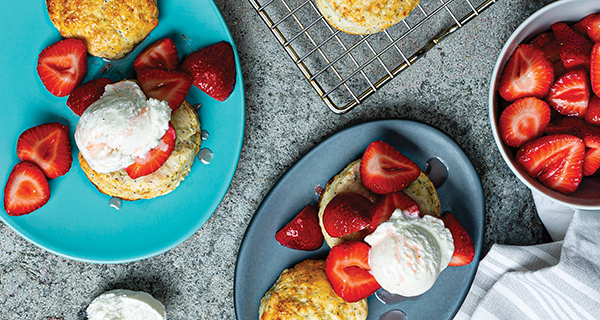
Strawberry-Rosé & Poppy Seed Shortcake: Nothing beats the smell of freshly baked biscuits on a Sunday morning. Serve with strawberries & PICS whipped cream to complete the meal!
Strawberry-Orange Smoothie: Whether you need a breakfast on-the-go or a quick pick-me-up, this smoothie will help power you through your day!
Strawberry, Arugula and Quinoa Salad with Asparagus & Feta: Fresh strawberries add the perfect amount of sweetness to this salad. Feel free to add in Market 32 chicken or turkey breast for a delicious addition to this meal.
Happy National Strawberry Day!
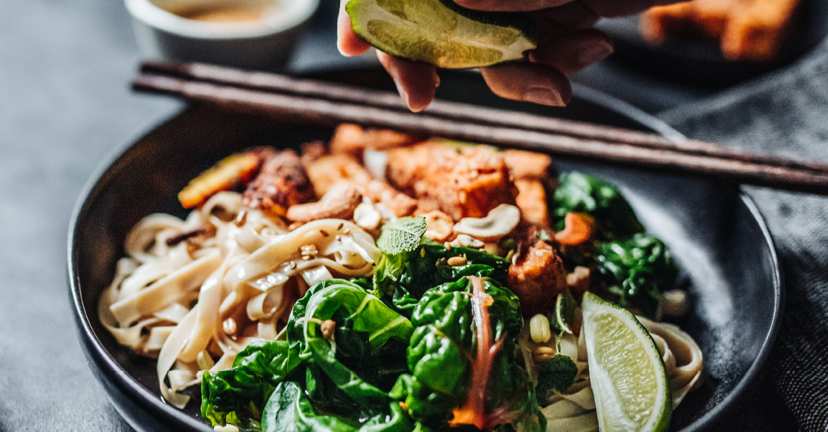
Exploring Latin and Asian Cuisine
Two of the more popular international cuisines are Latin and Asian! Both offer an exciting variety of flavors and dishes. We love these cuisines not only for their wonderful tastes but for the inspiration and rich tradition they bring to our tables. We’ve highlighted some recipes that we love – and if you’re interested in exploring these cuisines further we’ve included our full collection of recipes for each!
Latin
Chorizo & Egg Chilaquiles: Chilaquiles is a traditional Mexican breakfast dish, where corn tortillas are lightly fried and simmered in a brothy sauce. In this version, chorizo and egg work together to create a delicious morning meal.
Empanadas: Empanadas are discs of pastry packed with meat. This recipe features a delicious tomato, onion, and garlic and beef mixture.
Grilled Chicken Mole: Mole is a traditional sauce and marinade used in Mexican cuisine. It’s full of flavor and elevates every dish its featured in, much like this Grilled Chicken recipe.
Instant Pot® Mexican Pork Pozole Rojo: This Mexican Pork Pozole Rojo is a delicious winter comfort food. Full of flavor and warmth to help you through the rest of winter.
Chocolate Pepita Bark: Pepita is a pumpkin seed, which is a common ingredient in Mexican cuisine. In this dish, the chocolate, pepitas, and added chili powder make for a delicious dessert or late night snack.
Check out our full collection of Latin recipes: http://bit.ly/3EtSszt
Asian
Chicken Banh Mi Bowl: In Vietnamese cuisine, banh mi is a baguette with a thin and crisp texture, typically served as a sandwich with meats, vegetables, herbs & spices. In this recipe, we take these common ingredients and feature them in the increasingly popular bowl form.
Instant Pot® Korean Country Ribs: These Korean Country Ribs are coated and cooked in a mouth-watering broth mixture for a tasty twist. Use the Instant Pot® to make things easy!
Orange-Soy Baked Salmon: If you’re looking for a refreshing meal that hits the spot every time, this Orange-Soy Baked Salmon is the way to go. Your tastebuds will jump for your joy after enjoying this dish.
Thai Red Curry Shrimp & Green Beans: Thai Red Curry is perfect to warm you up in the cold winter. Shrimp and green beans are a natural complement to an already palette-pleasing taste.
Grilled Orange-Teriyaki Steaks with Grilled Scallions & Bell Peppers: Try out this recipe for a flavorful twist on steak. If you’re already a big fan of steak, this recipe is a perfect addition to your repertoire.
Check out our full collection of Asian recipes: http://bit.ly/3SpMRA8
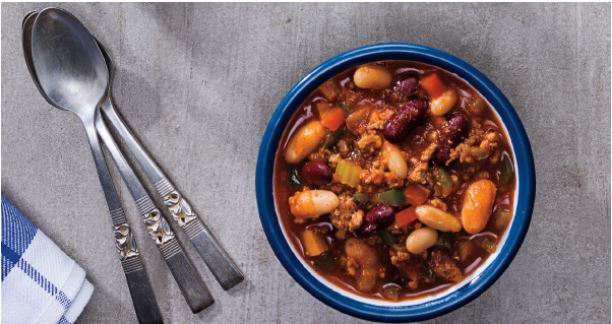
National Chili Day
Chili is one of our favorites when it comes to winter comfort food, so we’re fired up about National Chili Day. The best part about chili is its versatility, you can get creative in making the perfect bowl for your own taste. However, we thought we would get you started by sharing a delicious chili lineup of our own. Dig in!
Super Chili: Let’s start things off in a BIG way with our recipe for Super Chili. This recipe features beef chuck shoulder roast, thick-cut bacon, and other hearty ingredients to really tackle your hunger. Cozy up with a bowl (or two) and settle in for a long winter’s nap afterwards.
Slow Cooker Carne Asada Cubed Steak Chili: For a bowl of chili with some flare, try our Slow Cooker Carne Asada Cubed Steak Chili. Featuring cubed steak, carne asada seasoning, green chilis, jalapenos, and more, this recipe makes for a flavorful, super tasty winter meal. The extra kick is perfect for warming up on cold winter nights!
White Chicken Chili: Market 32 boneless chicken breasts are featured in this White Chicken Chili recipe. A little different than your prototypical bowl of chili, but the chicken breast combined with PICS cannellini beans works perfectly. Add in an all-star lineup of Full Circle products and you might just have yourself a new favorite.
Hearty & Healthy Turkey Chili: If you haven’t tried turkey chili, we highly recommend giving our Hearty & Healthy Turkey Chili a shot. Lean ground turkey combined with some of your favorite chili ingredients gives a whole new perspective on the chili game.
Harvest Chili: Our recipe for Harvest Chili features sweet potato and pumpkin pie spice, allowing it to live up to its title and your expectations. Harvest Chili is an awesome alternative chili recipe that specializes in keeping you warm and cozy through the cold weather.
Whether you are giving any of these recipes a try or building your own chili bowl we have everything you need in your local store and online. PICS Kidney Beans, Mutti Tomato Polpa, Cabout Sour Cream, McCormick Chili Seasoning, and more of your favorite ingredients. Check out our collection below for more!
Happy National Chili Day!
Celebrate National Chili Day!
Written by our friends at Green Mountain Energy
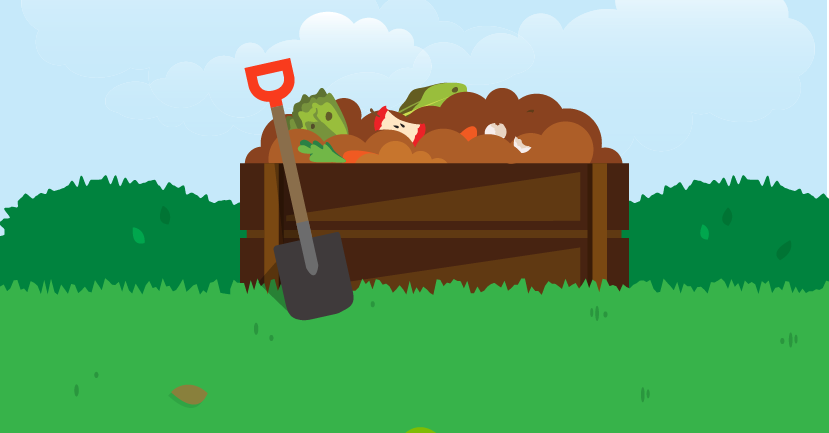
Composting is a great, easy way to green up your daily routine. Green Mountain Energy has what you need to know to get started on your composting journey.
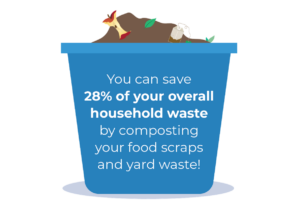
When you throw away food scraps and yard waste, there’s a good chance it will end up in a landfill, creating more methane gas. But did you know there’s a way to turn 28% of that waste into something useful for our environment? That’s the kind of impact the average household could have, just by incorporating composting into their daily lives.
If you’ve never considered composting before, don’t sweat. Green Mountain Energy is here to show you how with some simple tips for beginners who are ready to do some good for the planet.
What can you compost?
Compost is used to nourish plants and fortify the soil, so anything you put into your compost bin should be natural — think fruit and vegetable peels, coffee grounds, eggshells, paper, yard trimmings and even tea bags. You can also include things like fireplace ashes, dryer lint and even the contents of your vacuum cleaner. Have four-legged family members? Good news: You can compost all that hair they generously leave behind.
Don’t include things like dairy, meat, bones, oils and fats, charcoal ash, diseased plant clippings or anything that has been treated with pesticides.
A quick tip here: If you buy conventional bananas and oranges, the peels usually contain pesticides. You may want to skip those, or switch to organic. Also avoid pet waste like cat litter and puppy “presents.” Those materials could contaminate the compost and harm plants or soil.
What do you need?
At Green Mountain Energy, we’re working to show the world how easy it can be to make a green impact. That’s why we think composting is a great addition to any household: It works just about anywhere, and you don’t need many supplies to get started.
You can compost indoors or outdoors, so even if you don’t have a backyard, you can still start a small compost pile in your kitchen or on an apartment patio. For indoor or patio composting, you’ll need a special indoor composting bin, available online or from home improvement stores. And here’s the best part — you don’t need earthworms indoors!
Backyard composting is a little more flexible. You can use a composting bin, or you can start a compost pile in a shady area. If you go the DIY route, the compost needs to sit on bare dirt to attract worms and beneficial bacteria, so be mindful as you choose a spot.
Once you’ve decided on a bin or an outdoor spot, you’ll need a bucket for collecting scraps from the kitchen. It can be anything from an old plastic ice cream container to a fancy stainless-steel compost bucket with carbon filters. Try to choose one with a lid to keep odors contained. Consider storing it under the kitchen sink, so it’s out of the way but still easy for everyone in the family to access.
How to start composting
Once you’re set with a location and collection pail, it’s time to start layering and aerating. Composting is all about layering materials, getting a good mix of different things to create a nutrient-rich conditioner for your soil and keeping your material oxygenated.
The scraps and waste you include will either be carbon-based “brown materials,” such as leaves, brown paper bags, coffee grounds and eggshells, or nitrogen-based “green materials,” including fruit and vegetable scraps and lawn clippings.
Try to include a mix of one-third green and two-thirds brown materials for the best compost nutrient profile. If odor is ever a problem, add more carbon-based, brown materials. They can absorb odors caused by nitrogen-rich green waste.
To keep compost from getting moldy, and to help speed up the breakdown of materials, you’ll need to mix the compost to keep air moving throughout the pile.
Many indoor and outdoor bins have a tumbler feature to make this process a breeze. You just crank a handle to spin the container or move paddles through the compost, and aeration is done. You can also use a shovel, rake or hoe to move an outdoor compost pile around every week. Just be sure to get air circulation all the way through the pile to the bottom.
Depending on the size of your pile and how often you aerate, it may take six months to a year before outdoor compost is ready to use in the garden. Smaller indoor composters and tumblers are generally faster, producing usable compost in as little as a few weeks. Whether fast or slow, that’s a lot of kitchen and yard waste that won’t end up in a landfill.
More tips for green living
Composting is just the beginning when it comes to living more sustainably. We’ve gathered up more simple tips for cultivating an Earth-friendly lifestyle on our blog here.
Of course, the Green Mountain Energy mission was built around one of the easiest ways to do good for the environment: Choosing electricity that comes from clean, renewable sources like the wind or the sun to power your home — no equipment or installation required.
We’ve teamed up with Price Chopper & Market 32 to make living greener even more rewarding with special clean energy offers, including a 100% renewable energy plan and an invitation to join the Green Mountain Community Solar Program. Learn more here.

It's Paczki Time!
Want to hear something sweet? Paczki are back! We love these Polish treats and they’re one of our main sources of happiness following the holiday season, after we’ve taken our decorations down. Lots of folks enjoy this pastry, but do you know the history behind it?
Fat Tuesday, also known as Shrove Tuesday or Mardi Gras, marks the last opportunity to indulge in tasty sweets and treats before Ash Wednesday, the first day of Lent. It is the final feast before those delicious desserts are given up for Lent. Fat Tuesday is the much-anticipated precursor to Easter, falling 47 days before the holiday each year.
Back in the day, meat and meat byproducts could not be eaten during Lent. Therefore, cooks would use up all their dairy and eggs during Fat Week, from Shrove Thursday to Shrove Tuesday. They made crepe-like pancakes known as nalysnyky in Ukraine, doughnuts called spurgos in Lithuania, krofne in Serbia, and pączki in Poland.
In Poland, Fat Thursday is known as Tłusty Czwartek. The final six days of Carnival season (karnawal) from Tłusty Czwartek to Shrove Tuesday are known as Zapusty. In 16th Century Poland, Paczki were made with bread dough, filled with pork fat and fried in lard. Later, they evolved into a sweet pastry. These sweet treats used to be only available for a short 24-hours once a year on Fat Tuesday, but luckily today most bakeries in the United States and Poland offer these chubby fry cakes the entire Carnival, and even during Lent (shhh!).
In Poland, some bakers fill a few Paczki with almond paste instead of the traditional marmalade, and the person who gets one of these is said to have good luck for the coming year! On the contrary, an old Polish proverb says that those who fail to eat at least one doughnut on Shrove Thursday, will no longer be successful in life…quite the consequence!
Stop by your local store to pick up a Paczki 4 pack, 2 for $7 with AdvantEdge Card in our ad this week! We cherish the opportunity to have a part in this long-valued tradition and we hope you love these sweet pastries as much as we do.

Happy Paczki Season!
Shop Paczki!

Cherishing Cherries
February is National Cherry Month! In our opinion, one of the more underrated fruits out there is the cherry. They are sweet, snackable, and refreshing for any time of year. They are great alone or an important ingredient in endless tasty recipes. That’s why we cherish this awesome stone fruit.
To start, there are two different types of cherries: tart and sweet. Tart cherries are good for cooking and baking, while sweet cherries are the type you buy to eat as a snack. When purchasing these sweet snacks, look for the firm and plump ones that appear bright and glossy. Sweet cherries are mainly grown in California, Washington, and Oregon, while tart cherries can commonly be found in Michigan and Wisconsin. Some popular types of sweet cherries are Bing, Lambert, and Rainier. The most common type of tart cherry is the Montgomery, best when used in baking as they hold their shape better than their more snackable relatives.
At Price Chopper & Market 32, we love using cherries in our recipes. And not just the classic cherry pie. Check out some of these delectable recipes!
Mia Teal
E-Commerce Marketing Department
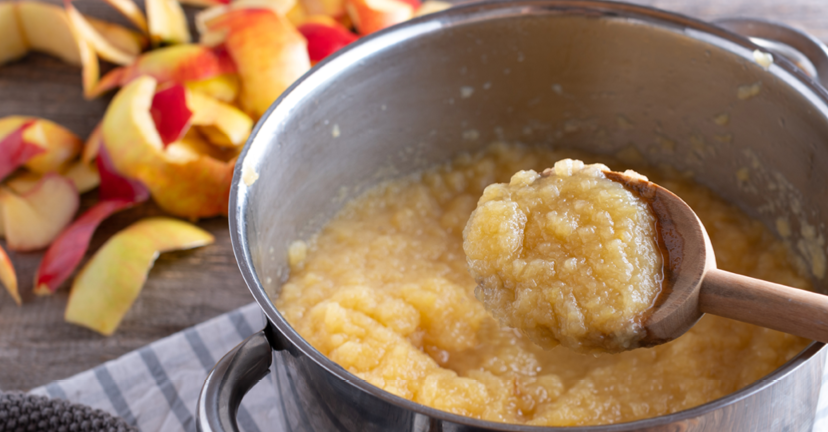
For some, baking is one of the simple pleasures of life. There are so many different recipes out there, but often, we find ourselves circling back to our favorites. Of course there is nothing wrong with that, but if you or someone you love has a dietary restriction, you may need to make some adjustments. Today, we are focusing on applesauce. Applesauce can be used as a substitute for eggs, butter, oil, and sugar. Interesting, right? At Price Chopper and Market 32, we have a variety of different applesauce. Some include unsweetened, cinnamon, and strawberry applesauce. However, the most common type of applesauce used in baking is unsweetened. If you are new to using applesauce as an alternative, take a look at how to swap out those ingredients!
Eggs:
For every one egg called for in a recipe, use ¼ cup of applesauce instead.
Butter & Oil:
Substitute applesauce in equal quantities of butter and oil. For example, if the recipe requires ½ cup of oil, replace it with ½ cup of applesauce. Similarly, if the recipe calls for 1 cup of butter, use 1 cup of applesauce.
Sugar:
While you can substitute applesauce in place of granulated sugar, there are some things to be cautious of. Like butter and oil, you can substitute applesauce and sugar in a 1:1 ratio. However, sugar is a dry ingredient and applesauce is a wet ingredient, so you will have to cut back on other wet ingredients. For example, if there is water in the recipe, use slightly less than what is called for.
If you are still on the fence about baking with applesauce, try using half of that ingredient and half applesauce. For example, if the recipe requires 1 cup of butter, try using ½ cup butter and ½ cup applesauce. The possibilities are endless when baking with substitutes like applesauce!

Ellie Wilson
MS, RDN, CDN
The Big Game is here once again! Each year, this football game brings fans, family, and friends together to cheer on their team and enjoy festive foods that score big on flavor and tradition. Did you know? U.S. households will eat an estimated 1.4 billion chicken wings on Sunday! Even if you are only there for the half-time show, you are bound to find something to crunch and munch. The surprise play you don’t want to watch? Any issues with food safety that can knock your event off the go-to list. Keep bacteria on the bench with some fresh tips and resources to ensure your party is positioned to win!
Ordering food?
Make sure someone (adult) is home to get the delivery*, check temperatures (danger zone is 40 – 140 degrees/2 hours) and packaging to be sure nothing is tampered with or left at an unsafe temperature for any length of time.
*Notify the company if you suspect tampering or that perishable food was left out too long. Don’t eat the food, or even taste it to see if it is safe.
Cook, Serve or Save
Time your order and serve delivered prepared foods when you receive it. If you are not serving right away, follow storage directions and refrigerate or freeze items until you are ready to cook them.
Pre-Game Prep
Keeping best practices for winning at food safety every day in mind as you plan and set up your event. Check your food thermometer to be sure it is working or purchase a new one. Wash hands, counters, cutting boards and serving utensils. Repeat washing hands as different foods are handled or prepared. Have plastic bags and storage containers ready to use so putting foods away is easy and quick.
- Clean— When handling raw meat and poultry, wash your hands for at least 20 seconds and clean and sanitize surfaces often with soap, water and a sanitizer.
- Separate— Don’t cross-contaminate. Use separate cutting boards, plates and utensils to avoid cross-contamination between raw meat or poultry and foods that are ready-to-eat.
- Cook— Cook to proper internal temperatures, checking with a food thermometer.
- Chill— Refrigerate promptly and do not leave food out at room temperature for over two hours.
Buffet Play
Set up the buffet so hot foods, like wings, can be kept hot, and cold foods, like deli wraps and salads, can be kept cold. Slow cookers and chafing dishes are good choices for the range of snacks and appetizers that may require heat to maintain enjoyment and safety. A tray with ice or ice packs is good for cool foods, unless your location is very warm. Consider keeping perishable foods out for two hours or less – then get them properly stored to minimize food waste.
End Zone
The game is over, leftovers are packed away, and the kitchen/buffet is clean and ready for the next meal. Leftovers can be kept refrigerated for 3 to 4 days or frozen up to 3 months. To serve safely, reheat to an internal temperature of 165 F.
Post-Game
Odds are you will share happy pictures (or sad, depending on which team won) of your party with friends and family via text and social media. Should anyone that attended let you know that they became ill after the event, next steps would be to ensure they get medical attention immediately and get some guidance from your local health agency. It can happen to anyone, even when best practices are strictly managed. You cannot see, taste, or smell harmful bacteria. Some guests, especially young children and those older than 65, may be more vulnerable to exposure. Reporting foodborne illness is critical to keeping food safe for everyone.
If you or a family member experience symptoms of a serious foodborne illness, seek medical attention and contact your local health agency.
The CDC public health gateway can help you locate your local health agency.
Questions? Try these toll-free federal food safety hotlines. For meat, poultry, or pasteurized egg products, call the USDA Meat & Poultry Hotline at 1-888-MPHotline (1-888-674-6854). For all other food products, call FDA’s Food and Cosmetic Information Center at 1-888-SAFEFOOD (1-888-723-3366).