



Mia Teal
Marketing Coordinator, Paid Media
The fall is a beautiful time of the year in New York. The air is cooling down and the sun is shining bright through the ever changing leaves. This time of the year is perfect for getting outside to walk, run, hike, or just take in the beautiful scenery Earth has to offer. Luckily, there are so many places in Upstate and Central New York where you can get out and enjoy the trails. Before we get into that, let’s take a look at the benefits hiking has to offer.
Physical Wellness: Lace those shoes up and get going! Hiking is wonderful for endurance and building strength.
Connection with Oneself: Spending time in nature by yourself can offer numerous benefits. Not only are you reducing stress from everyday life, but it helps you to reflect on any and all thoughts and emotions.
Mental Wellness & Connection to Nature: Nature can be calming for the mind and can quite literally “clear your head.” Nature can allow for a happier mood, calmness and joy.
Social Wellness: Hiking provides an opportunity to spend quality time with friends and family away from the distractions of daily life. It allows you to connect on a deeper level and strengthen your bond.
Interested in learning more about local places to spend time in nature? Let’s dive deeper.
Mountains:
Buck Mountain – Lake George, NY
Prospect Mountain – Lake George, NY
Sleeping Beauty Mountain – Fort Ann, NY
Hadley Mountain – Hadley, NY
Mount Marcy – Lake Placid, NY
Blue Mountain – Indian Lake, NY
Trails:
Vroman’s Nose – Middleburgh, NY
Luther Forest – Malta, NY
Kinns Road Park – Clifton Park, NY
Indian Kill Nature Preserve – Glenville, NY
Normanskill Preserves – Albany, NY
Geyser Creek Trail – Saratoga, NY
Buttermilk Falls – Ithaca, NY
Robert H. Treman State Park – Ithaca, NY
Lime Hollow Nature Preserve – Cortland, NY
Binghamton Trail Head – Binghamton, NY
No matter where you decide to hike this fall, remember that hiking is not always about conquering mountains; Sometimes it is about connecting with ourselves and nature.
Source:
Mia Teal
E-Commerce Marketing Department
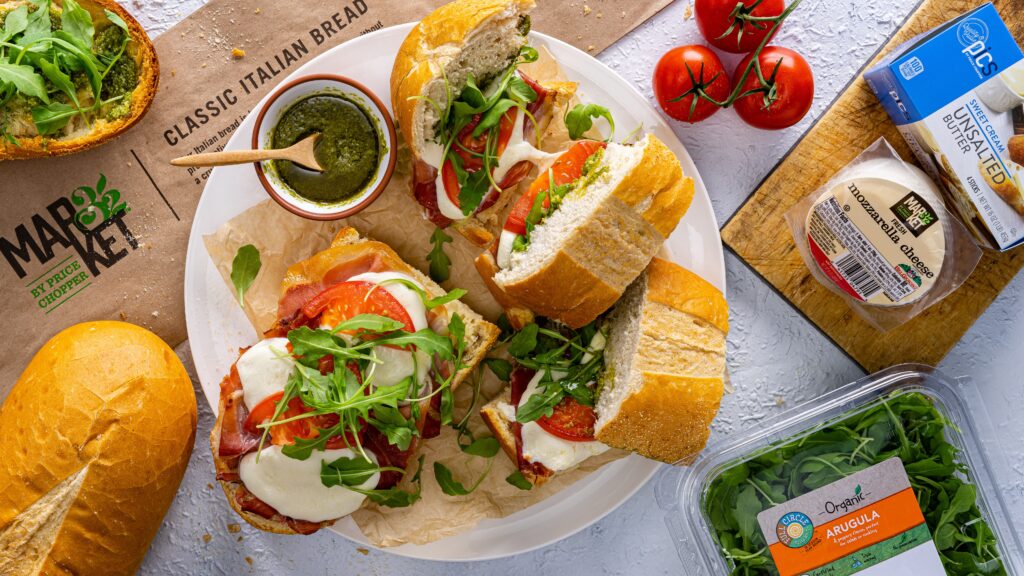
The aroma of freshly baked bread is enough to make anyone stop and smile. At Price Chopper and Market 32, our bread is made fresh daily right in our bakery! We specifically want to highlight our Italian bread today. There are so many different ways to pair Italian bread with your meal, as well as ways to enhance the bread itself. Looking for ways to change up your next meal? Well, look below!
What meals pair well with Italian bread?
- Spaghetti & meatballs, pork, or sausage
- Soup
- Salad
- Eggs & bacon
Ideas to enhance Italian bread:
- Butter – We carry a variety of butter including salted, unsalted, whipped, garlic, olive oil & sea salt, and plant-based options.
- Bruschetta – Includes garlic, salt, olive oil, chopped tomatoes, chopped onions and anything else you choose!
- Olive Oil
- Garlic/Garlic Salt
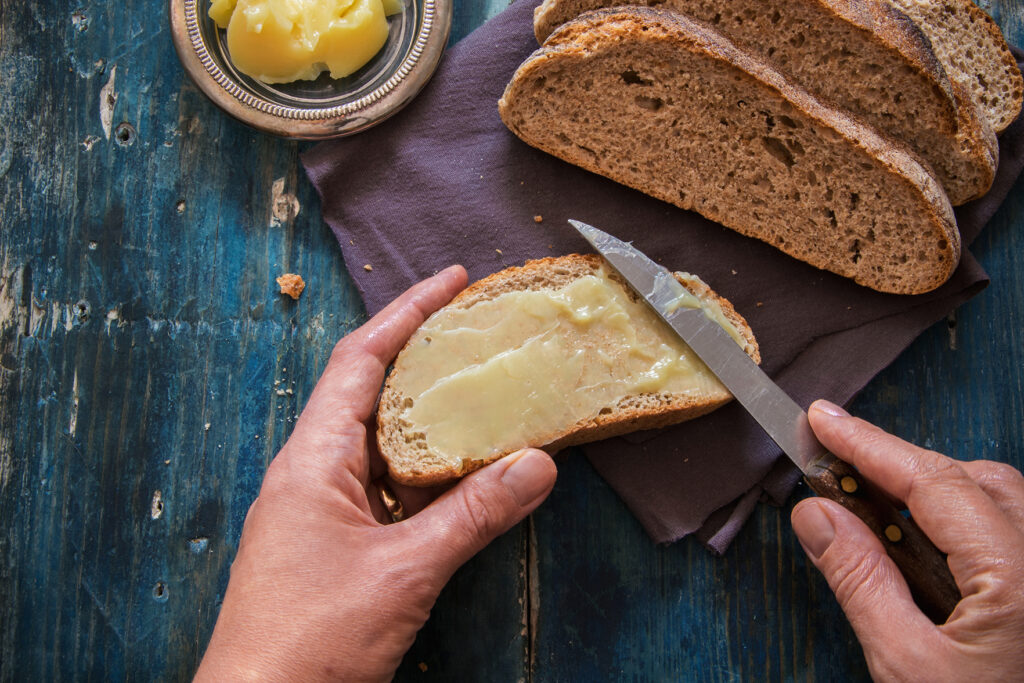
Chicken & Roasted Beet Harvest Salad: This meal has the perfect balance of meat, vegetables, and cheese. What is missing? Italian bread, of course! Add some PICS salted butter on top of the bread to complete this meal!
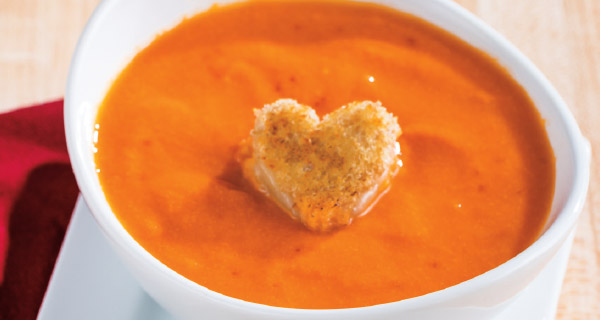
Tomato Bisque With Grilled Cheese Heart Croutons: Here we have a classic favorite. All bowls of soup need a side of bread, of course. Dip your Italian bread in the tomato soup and your heart will be smiling!
Slow Cooker Spaghetti with Italian Sausage: No spaghetti meal is complete without the side salad or bread. Try this meal with Italian garlic bread at your next family dinner!
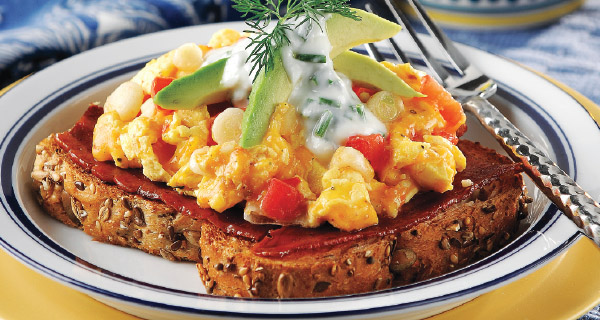
Open-Faced Breakfast Sandwich: Any bread can work for this sandwich, but try using Italian bread with some PICS Sweet Cream Salted Whipped Butter. You will not be disappointed!
Check out this video of a Caprese-Prosciutto Grilled Cheese sandwich that will leave your mouth watering!
Mia Teal
Marketing Coordinator, Paid Media
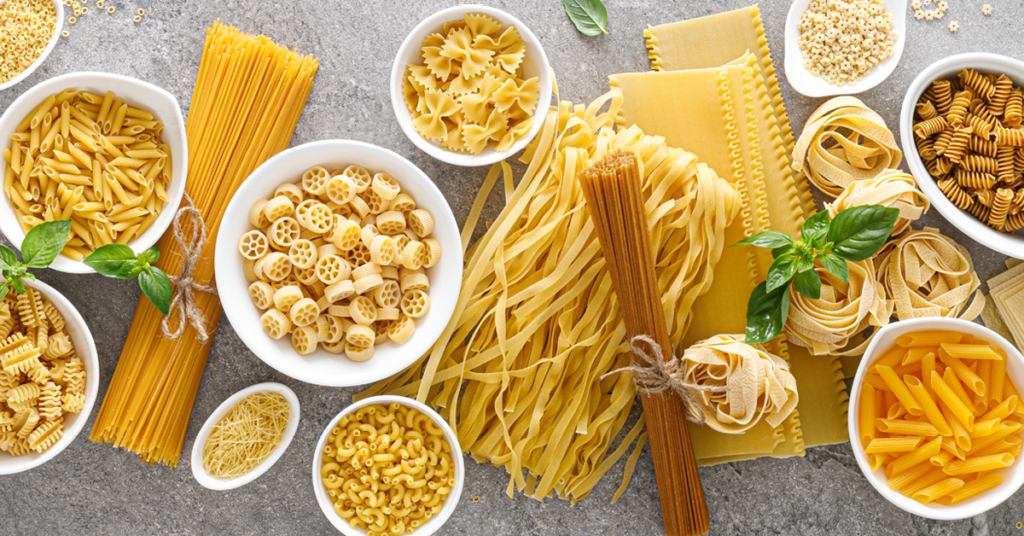
Where are all our pasta lovers out there? Pasta, the beloved staple of Italian cuisine, has a remarkable ability to bring people together through its delightful simplicity and diverse flavors. Whether you’re twirling spaghetti with a rich tomato sauce, savoring the delicate layers of lasagna, or relishing the bite-sized wonders of ravioli, pasta is a universal comfort food that has woven itself into our busy lives.
So, how well do you know your pasta? Let’s take a deep dive into the wonderful varieties pasta has to offer. Price Chopper and Market 32 offer a wide array of different pastas for your next Sunday dinner! Be sure to check out our PICS pasta collection below.
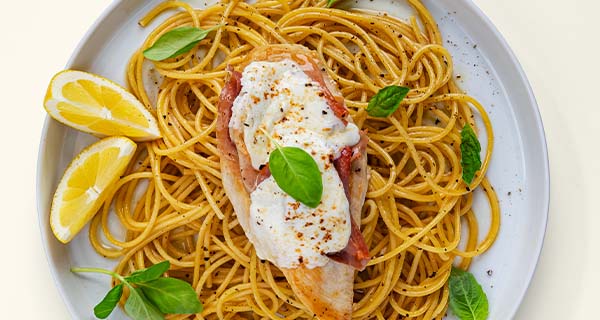
Spaghetti: Spaghetti is a long, thin pasta that pairs well with meatballs or chicken. The term “spaghetti” originates from the Italian word “Spago,” which can be translated into English as “string” or “twine.”
Price Chopper Recipe: Chicken Saltimbocca
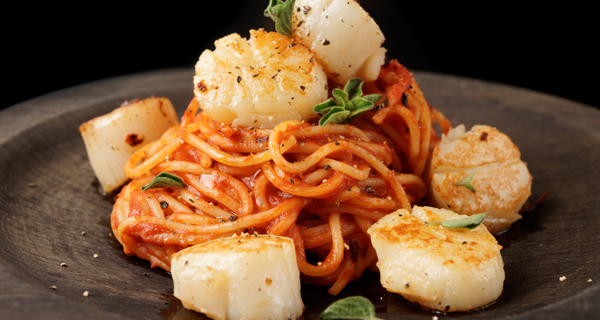
Angel Hair: A lot of people may wonder what the difference is between spaghetti and angel hair pasta since they look the same. Angel hair pasta is finer and is commonly paired with seafood as shown below.
Price Chopper Recipe: Rachel Ray’s Scallops Fra Diavolo
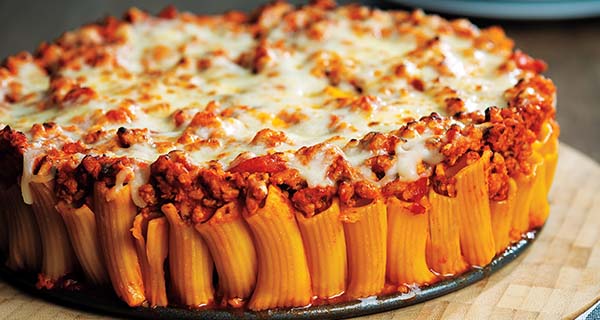
Rigatoni: Rigatoni pasta is wide in diameter and has a cylinder shape. This pasta pairs well with chunks or meat, like beef or chicken with a thicker sauce, such as alfredo.
Price Chopper Recipe: Rigatoni Pie
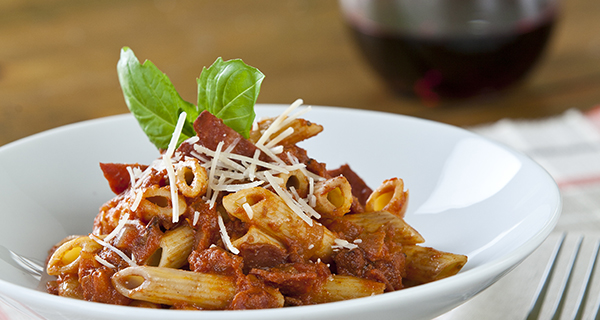
Penne: Penne is similar to rigatoni, but has a smaller diameter and is cut at an angle. Like rigatoni, penne pasta pairs well with a thick sauce.
Price Chopper Recipe: Penne with Vodka Sauce & Turkey Bacon
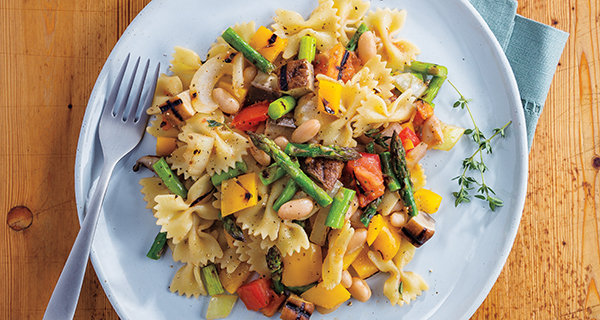
Farfalle (Bowtie): Bowtie pastas resemble their name – Bowties! This light pasta pairs wonderfully with butter, olive oil, or a heavy cream sauce.
Price Chopper Recipe: Grilled Vegetable Pasta Salad
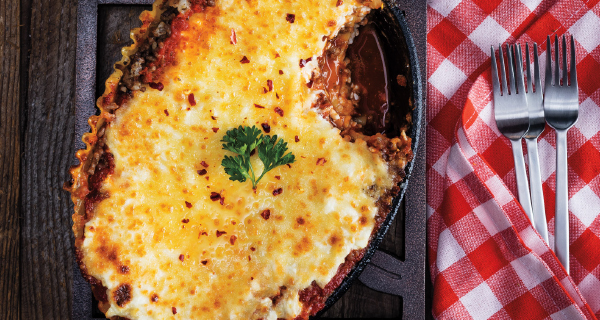
Lasagna: “Lasagna” can refer to the type of pasta or the hearty dish, traditionally made with sauce, ricotta cheese, sausage and beef. The pasta itself is long, wide and flat with little indents along the sides.
Price Chopper Recipe: Skillet Lasagna
Don’t forget to browse our PICS Pasta for those delicious recipes above!

Mia Teal
Marketing Coordinator, Paid Media
Goodbye summer, hello football season! For many people, this is a very exciting time of the year. Those humid days are dwindling down, Sunday night football is back on TV, and a lot of delicious dips to go along with gameday will be devoured. If you would like to spice up your football season with new recipes, we have you covered! Let’s explore the art of tailgating and homegating with delicious recipes and ideas to help you score big with your football party spread.
First Down: Snacks/Apps/Dips
Everything Pretzels: These soft, warm, chewy pretzels are sure to be a touchdown!
Super Guacamole: It’s called “Super Guacamole” for a reason! This recipe is SUPER delicious! Try it for this Sunday’s game.
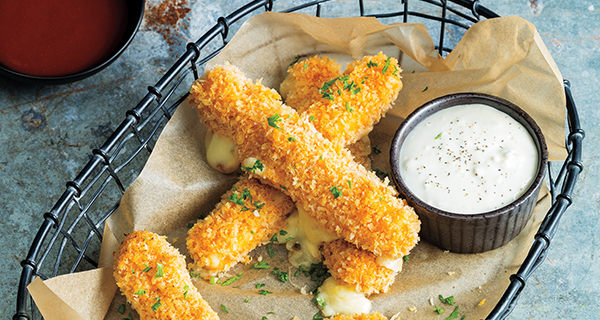
Baked Buffalo Cheese Sticks: These stringy, creamy, and crunchy cheese sticks pair beautifully with our PICS Marinara Sauce.
Cheesy Chicken Enchilada Dip: This dip is nothing short of mind-blowing! Pair with PICS Tortilla chips.
Second Down: Entrees
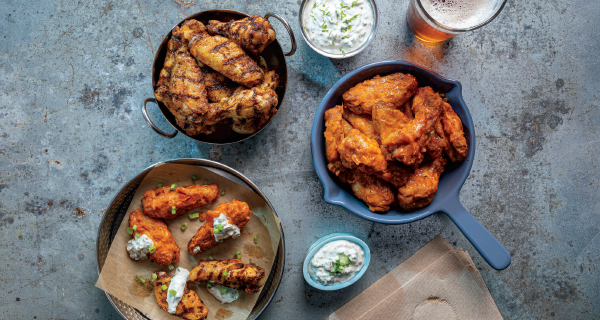
Grilled Tex-Mex Wings: What’s football without the wings? You won’t fumble with the deliciousness of this recipe!
White Pizza with Sausage: This pizza is easy to tackle! Grab the ingredients on your next shopping trip.
Hawaiian Pulled Pork Sliders: Your crew won’t resist diving into these sliders!
White Bean, Chicken, & Beer Chili: Cold nights call for warm meals! This chili is filling and loaded with flavor.
Third Down: Desserts
Brookie Muffins: Can’t decide if you want a brownie or a cookie? Why not have both? Well, now you can with these Brookie Muffins!
Hot Chocolate Cookies: These cookies are not only very tasty, but also really cute! Make sure you take a picture of them before your guests dive in!
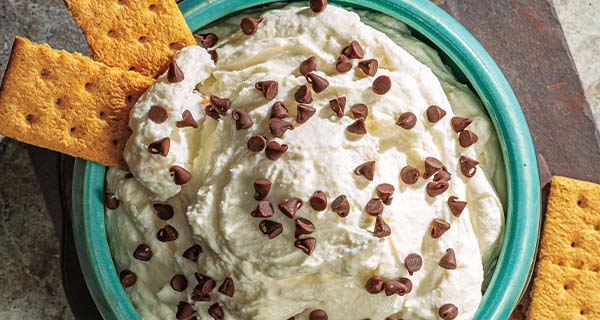
Cannoli Dip: This dip is so good, you can just eat it with a spoon! However, make sure to grab PICS Graham Crackers to go along with this.
Mini Pumpkin Cheesecakes: These little guys are sure to be a hit at your game day event!
Fourth Down: Drinks
Peach Paradise: If you are still relishing in the summertime heat, then this drink is for you! Fruity, sweet, and will make your tastebuds happy!
Minty Hot Chocolate: You know what would go well with this drink? The Hot Chocolate Cookie recipe above!
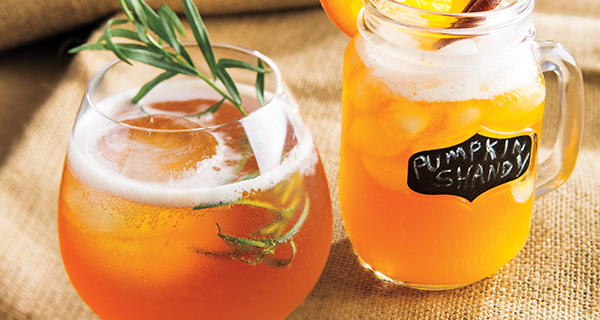
Pumpkin Shandy: What’s football without some drinks? This fall-themes beverage has all the fresh flavors of pumpkin, apple, orange, cinnamon, and nutmeg.
Cucumber Mint- Mock-jitos: Celebrate your team with this alcohol-free beverage! Minty and refreshing.
Check out more recipes on our sites below:
Hometown Supermarket Chain Invests in Attracting Local Suppliers
(Schenectady, N.Y.) Price Chopper/Market 32 announced today that they will host a Local Supplier Summit to provide opportunities for all local food, beverage, wellness, beauty, and general merchandise suppliers. The event, set to take place in Schenectady on Thursday, November 16, will provide entrepreneurs the opportunity to connect with the chains’ decision-makers, share their products, and receive feedback with the ultimate goal of being stocked on local shelves of some of the chains’ 130 stores in New York, Massachusetts, Vermont, Connecticut, Pennsylvania, and New Hampshire.
Price Chopper/Market 32 has supported the local economy through its commitment to bring locally grown, produced, and manufactured products to market since the 1930s, partnering with New York egg producers to ensure that the State had its own source of supply and investing in innovative horticultural programs through 4H and Cornell Cooperative Extension that provided seeds to young farmers along with the promise to purchase back the best of their harvest. This Summit marks the chain’s most recent proactive effort to expand local circles of supply.
“This is a wonderful way for us to innovate and diversify our product mix while helping other local businesses to grow and succeed,” said Blaine Bringhurst, president of Price Chopper/Market 32.
“Many suppliers connect with us through industry channels. This Summit broadens those channels to ensure that we are considering as many high-quality local suppliers as are interested in the possibility of partnering with us,” said Tom Tomaselli, group vice president, merchandising for Price Chopper/Market 32.
All sourcing and product submissions will be made through RangeMe, the industry-standard online product discovery and sourcing platform operated by ECRM. Applications for participation in the summit will be accepted through September 25, 2023 at https://www.rangeme.com/pricechoppertopslocalsummit.
ECRM will qualify suppliers, create curated meeting schedules, and facilitate face-to-face meetings with Price Chopper/Market 32 category business managers so that suppliers can introduce new and innovative products into the marketplace. ECRM’s dedicated support team is available to address questions about the application process via support@rangeme.com.
“We look forward to extending seats at our table for the Summit and expect local entrepreneurs to bring forward some unique and wonderful items. Knowing how much our customers appreciate local products, the potential here is dynamic,” added Tomaselli.
Interested in applying? Get started here!
About Price Chopper/Market 32
Based in Schenectady, NY, Price Chopper/Market 32 operates 130 Price Chopper and Market 32 supermarkets and one Market Bistro, employing more than 17,000 teammates in New York, Vermont, Connecticut, Pennsylvania, Massachusetts and New Hampshire. The American-owned company, founded by the Golub family in 1932, prides itself on longstanding traditions of innovative food merchandising, cutting edge brand development and store design, leadership in community service, and cooperative employee relations. For additional information, please visit cms-uat-pch.unataops.com

Ellie Wilson
MS, RDN, CDN
Honey is the sweet food made by honeybees, primary pollinators of 90+ food crops in the United States, and about 35% of foods grown globally. Bees are carefully managed and transported from farm to farm to ensure adequate pollination of the crop. In New York, that includes our famous apples! Bees and their important relationship with farming and food have been recognized for thousands of years – for example, there is evidence of bee keeping in ancient Egypt and Greece.
Bees visit thousands of flowers in their lifetimes. As they collect pollen and nectar, they also transfer grains of pollen, which ensures the plants can reproduce. The nectar is stored in the honeycomb, to be used as fuel to power flying and hive construction. Pollen grains provide protein, fats, and other nutrients to young bees. Bees are always busy, and the perpetual movement of their wings evaporates some of the water in the nectar, yielding the thickened, sweet honey, which also contains some vitamins, minerals, organic acids, flavonoids, and phenolic compounds. They make more honey than they use, which is harvested by beekeepers that ensure the hive has everything needed to stay healthy and productive. That honey crop is filtered to remove bits of wax and bottled, ready for us to explore and enjoy!
Culinary and medicinal uses of honey are many, some rooted in tradition, such as sweetening tea and using as a cough remedy, and others gaining ground in modern studies and medicine. Like fine wine, honey can have flavor elements or “terroir” that come from the types of flowers they visited and other agricultural characteristics of the area they are from. A simple example, orange blossom honey is particular to honey produced near orange trees and is light-colored and fragrant. Buckwheat and avocado honeys are dark amber with a hint of molasses and have their own unique nutrient profile. Honey is produced all over the world, so the opportunity for different flavors, colors and health properties are diverse and may even be particular to a region. Manuka honey is only made by bees in New Zealand and Australia. That honey has well-studied anti-bacterial and antibiotic qualities. Research has shown certain types of honey aid in wound healing, and others have benefit as a supportive treatment for symptoms like dry mouth or mucositis in cancer treatment.
When it comes to cooking, honey is a culinary star! It can be used in place of white or brown sugar in most recipes, balances acid in vinegar-based dressings/pickling/or citrus glazes that make everything special. Honey also takes the sting out of spicy foods – which explains the hot honey culinary trend for chicken and anything else (sweet potatoes? Pork tenderloin?) you want to try. There are many wonderful combinations to explore – honey mustard, honey garlic, honey lime, honey butter, even honey harissa!
Whatever the source, pure honey is made sweeter by its many uses and its very compelling mandatory role in ensuring we have the foods we need and want to eat. Speaking of which, check out some of the recipes below – you are sure to find one that will help you put great on your plate!
Reference:
Mia Teal
Marketing Coordinator, Paid Media
Autumn is just around the corner, which signals the start of pumpkin and apple picking season! While this is a thrilling time, it also signifies that other fruits and vegetables are transitioning out of season, such as the delightful strawberry. Let’s take a deeper dive on the season of strawberries, and recipes you can make to ensure that these little fruits do not go to waste.
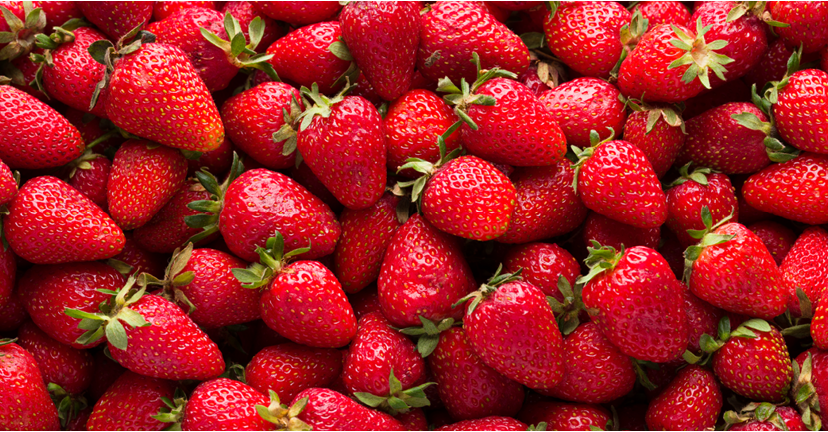
Peak strawberry season in the Northeast is late May to early July. However, different varieties of strawberries have different seasons. Yes, there are different types of these berries! This diversity allows you to savor the sweet delights of June-bearing strawberries during early summer picnics, transition to the ever-bearing strawberries for a late summer treat, and extend your strawberry indulgence into the crisp days of autumn with day-neutral varieties. Take a look below on these three types of strawberries.
- June-bearing Strawberries: June-bearing Strawberries, as their name implies, start ripening in the middle to late part of June. They are characterized by their larger size and longer lifespan compared to other strawberry varieties.
- Ever-bearing Strawberries: This type is prevalent in June and early fall. These are not as sweet as June-bearing Strawberries.
- Day-neutral Strawberries: Day-neutral Strawberries represent the final category and consistently produce berries throughout the summer and into the fall, maintaining a continuous yield.
Berry-good recipes you will love!
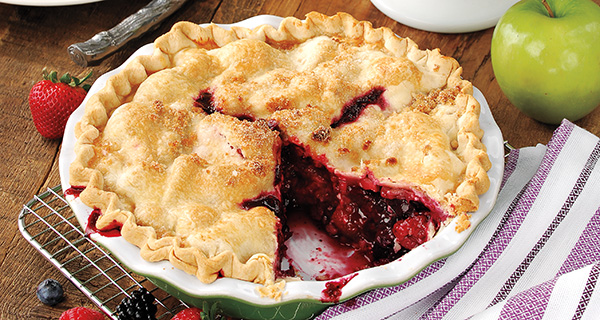
Bumbleberry Pie: A fresh mix of blueberries, blackberries, raspberries, and strawberries all baked in a warm pie? Who can say no? Try adding PICS Vanilla Ice Cream or PICS Whipped Cream to the pie.
Strawberry-Mango Salsa: This tropical dip will have your taste buds doing the salsa! Pair with PICS Tortilla Chips for the ultimate fiesta!
Strawberry Shortcake: Fresh berries & cream are a wonderful go-to on a Sunday morning!
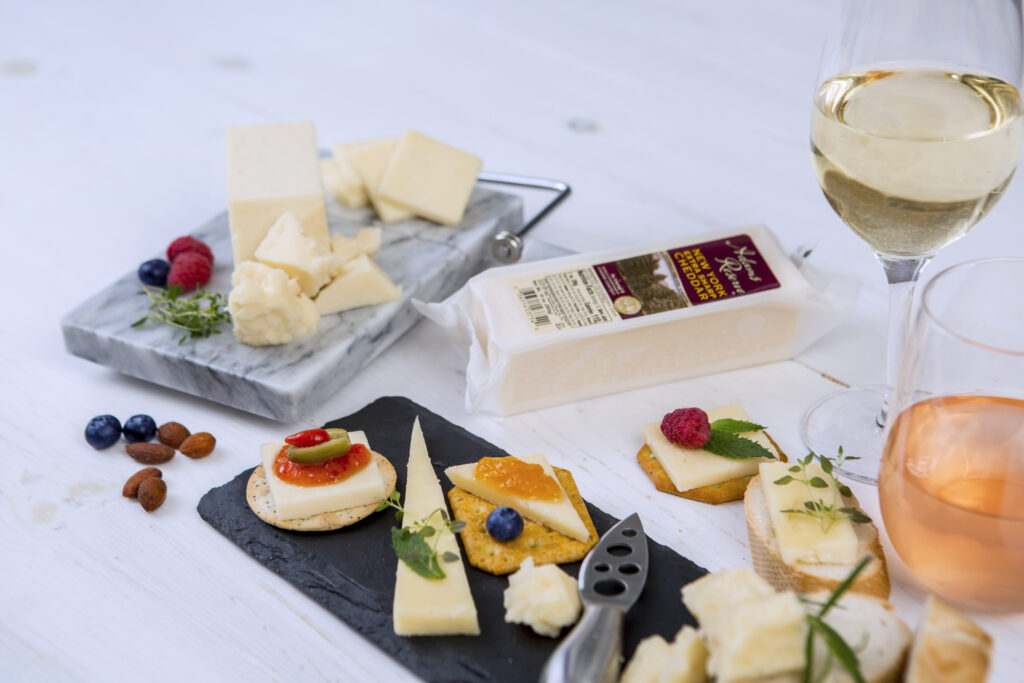
Price Chopper and Market 32 are so excited to announce a new Cheese of the Month program! Since we have so many specialty cheeses, you may not even realize that a bunch of our cheeses are made locally, like September’s Cheese of the Month – Adams Reserve Cheddar. Let’s take a look at why we love this cheese, and more importantly, what it pairs well with.
About Adams Reserve Cheddar:
In the small town of Adams, New York, milk from the finest dairy farms is transformed daily into this mouth-watering Cheddar. The ideal agricultural conditions found in upstate New York are a key part of what gives Adams Reserve Cheddar its distinct flavor. This is a place where Old World craftsmanship is blended with modern technology to produce this award-winning cheese.
Adams Reserve Cheddar continues to win awards at the World Cheese Championship and US Championship- proudly made by the finest dairy sources, and naturally aged for more than 12 months. This creamy, bold and full-bodied New York Extra Sharp Cheddar is sure to satisfy any cheese enthusiast’s palate.
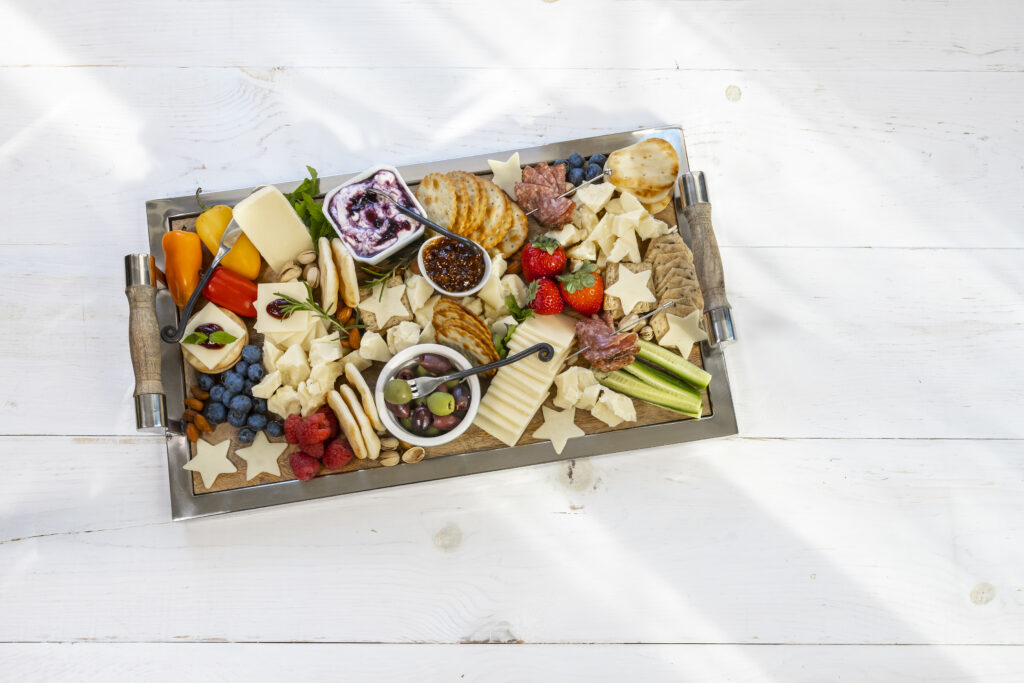
Pairs beautifully with:
- Salami
- Prosciutto
- Green olives
- Berries
- Pepper Jelly
- Wine: The sharp, creaminess of Adams Reserve Cheddar pairs beautifully with a deep red, or even a smooth, slightly sweet and crisp rosé.
Interested in learning more about Adams Reserve? Check out their website!
Mia Teal
Marketing Coordinator, Paid Media
‘Tis the season for pumpkins, and that means it is time to start digging out the recipe books for your fall baking! While Price Chopper and Market 32 offer a variety of pumpkin puree, have you ever contemplated experimenting with a genuine pie pumpkin in your recipes? If this idea has crossed your mind, you might be seeking guidance on the proper approach. Fear not! We have some answers on which pumpkins to choose and proceeding steps.
Sugar Pumpkins:
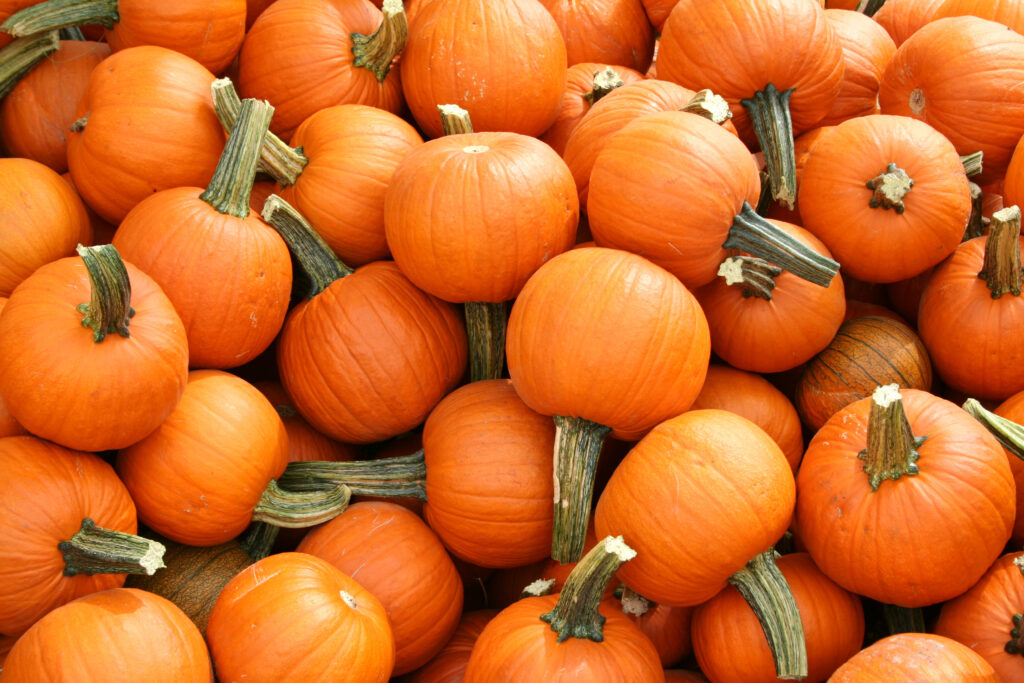
Choosing the correct pumpkin is crucial. While those massive pumpkins you see outside our stores are perfect for carving scary faces, they are not ideal for baking. These pumpkins have a higher water content and are stringy inside. Sugar pumpkins are your go-to for baking. These pumpkins are much smaller, drier, and a deep orange color. Oh, and most importantly, they are very sweet which make them perfect for baking.
In addition to choosing a sugar pumpkin, you will want to ensure that the stem is very sturdy, intact, and dry. These pumpkins should be stored in a cool, dry place prior to baking. Avoid sugar pumpkins that appear to have rotting stems.
Let’s Bake!
Step 1: Preheat your oven to 400°F.
Step 2: Cut sugar pumpkin in half, scoop out the seeds, and place on a sheet pan with parchment paper or aluminum foil.
Step 3: Allow the pumpkin to bake for approximately 35 – 40 minutes, noticing how the flesh naturally separates from the skin during this process.
Step 4: Once baked, proceed to puree the flesh until it achieves a smooth consistency.
Step 5: To keep the pumpkin puree fresh, store it in the refrigerator.
Super easy, right? Make baking this season a fun, beautiful memory.
Pumpkin Spice Cake with Cream Cheese Frosting: This spice cake is sure to be a hit!
Pumpkin Soup: Where are all the soup lovers out there? Try out this recipe today!
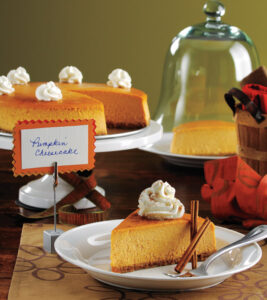
Pumpkin Cheesecake: Thanksgiving just got a whole lot sweeter! Your guests are sure to love this delicious recipe.
Pumpkin Pie Roll-ups: With only seven ingredients, this recipe is easy, delicious, and full of flavor.
Mia Teal
Marketing Cordinator, Paid Media
Summer came and went in what seemed like a matter of seconds. The air is slowly starting to get cool, the leaves are turning all different shades of red and orange, and your student is beginning yet another school year. Fear not! Here at Price Chopper and Market 32, we want to make your back-to-school season a smooth transition. We have put together some lunch box essentials as well as some easy lunch recipes that your child will love! Take a look below.
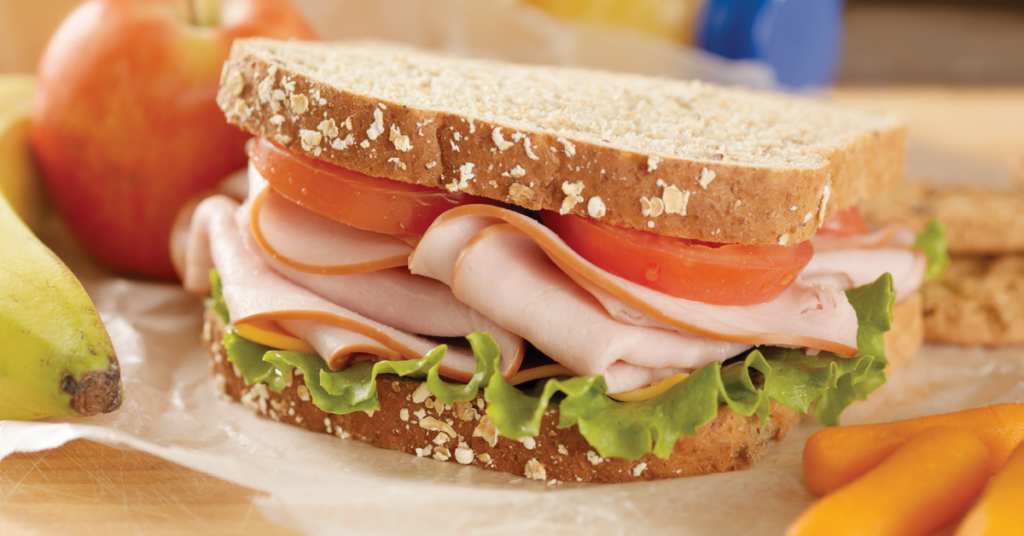
Protein: Protein is essential for growing bodies and minds! Examples include chicken, turkey, eggs, peanut butter, and beans.
Whole Grains: Choose whole grain options like whole wheat bread, crackers, and wraps.
Produce: Eat the rainbow! To make eating fruits and veggies more fun, try having your student pair an apple or banana with peanut butter or carrots with ranch.
Snacks: There are so many options for snacks. Your student may enjoy yogurt, cheese sticks, peanut butter or cheese crackers, nuts, seeds, or granola bars. Additionally, having treats in moderation will also make lunchtime more fun. The possibilities here are endless!
Drinks: Remember to include a bottle of water in your child’s lunchbox to keep them hydrated throughout the day.
A well-prepared lunch box sets the tone for a productive day of learning. By including a variety of nutrient-rich foods, you provide your child with the fuel they need to stay focused and engaged in their studies. Remember, variety is key—mix and match different food groups, flavors, and textures to keep lunchtime exciting and satisfying.
Check out some quick & easy snacks & meals!