


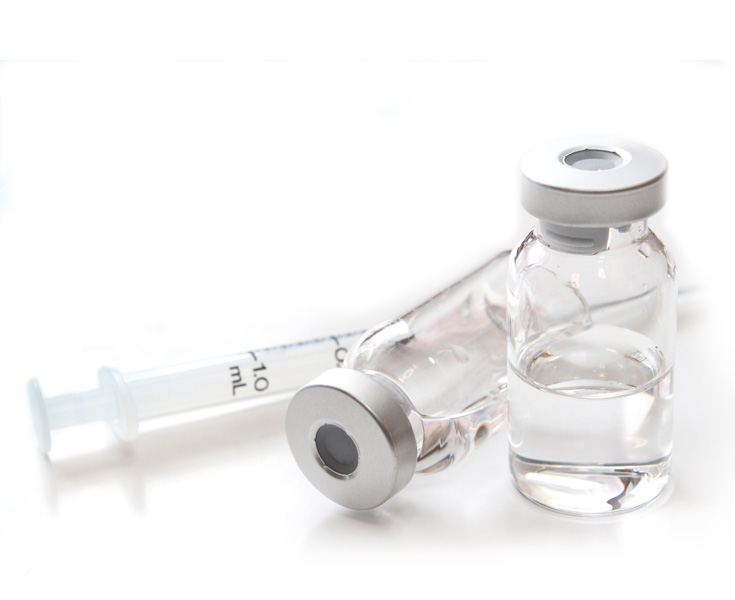
How the Flu Vaccine Can Help with Severe Symptoms of COVID-19
by Angelique Harris
With the pandemic still trekking on with the new circulating Delta variant, it is more important than ever the ensure you and your family’s safety. Recent studies have found promise that the flu vaccine may provide protection against severe symptoms of COVID-19. Both viruses have in the past lead to a multitude of hospitalization requirements for American’s and both have the potential to be fatal.
The European Congress of Clinical Microbiology & Infectious Disease analyzed patient data, noting the correlation of a reduced risk of stroke, sepsis, and deep vein thrombosis in COVID-infected patients who had received their flu vaccine. According to the study, the non-vaccinated individuals had a higher risk of 20% to be more likely to be admitted into the ICU. They also had a 45% higher chance of developing sepsis and were 58% more likely to suffer from a stroke.1 Additionally, patient’s vaccinated against the flu had a 25% lower chance of testing positive for COVID-19.2
The mechanism behind this protection provided from the flu vaccine is uncertain. Some researchers believe that it boosts the body’s natural immune system. It is also noted that some vaccines produce an adaptive immune response that can be activated in the presence of another foreign body, an example being how some tuberculosis vaccines has some efficacy against yellow fever and malaria.2
Children under the age of 13 may also be able to receive some protection against COVID-19 with the seasonal flu vaccine. The University of Missouri School of Medicine has found data to support children that received the flu shot are less likely to experience symptoms from COVID. Researchers reviewed more than 900 children in 2020. Professor, Anjali Patwardhan MD explains the concept of viral interference to which causes the cells within our body to become resistant to a second infection after first experiencing another. She believes this to be the correlated mechanism for the increased protection. Results from the study show that the children previously vaccinated for the flu and tested positive for COVID-19, were less likely to experience symptomatic disease. Dr. Patwardhan notes that research still needs to be conducted and its importance as children play a role influencing viral transmission.3
While the flu vaccine is not a replacement for the vaccines approved for COVID-19, it may serve importance in areas where COVID vaccination rates are struggling, or other countries not expected to receive shipments of the vaccine until 2023. These statistics may also provide some comfort to those hesitant to receive the COVID vaccines.1 With both viruses sharing similar seasonal outbreaks, it is important to ensure the highest protection.
Sources:
- Antrim, Aislinn. Study Finds Flu Shots Protect Against Some Severe COVID-19 Symptoms [Internet]. Pharmacy Times; 2021 July 15. [Cited 08/12/2021]. Available from: https://www.pharmacytimes.com/view/study-finds-flu-shots-protect-against-some-severe-covid-19-symptoms
- Jeremias, Skylar. Flu Vaccine May Protect Against COVID-19 Infection [Internet]. AMJC; 2021 Feb 24. [Cited 08/12/2021]. Available from: https://www.ajmc.com/view/flu-vaccine-may-protect-against-covid-19-infection
- Study Shows Flu Vaccine Lessens COVID-19 Symptoms in Children [Internet]. University of Missouri School of Medicine; 2021 Feb 4. [cited 08/12/2021]. Available from: https://medicine.missouri.edu/news/study-shows-flu-vaccine-lessens-covid-19-symptoms-children

Why Do Older Adults Need A Different Flu Shot?
by Angelique Harris
It is no secret that our bodies go through a handful of changes as we age. One of things that many people don’t think about is what happens to the immune system. Older adults tend to have a weaker immune system and are therefore at higher risk for infection. With flu season coming around the corner it is important that we make sure everyone gets the flu shot best suited for them. For adults older than the age of 65 it is recommended to get the high-dose flu vaccine. The high dose vaccine contains higher amount of viral protein intended to result in a stronger immune response than the regular flu vaccine.1
There are many factors that affect the level of risk an individual has for developing a serious infection from the influenza virus. One important factor to consider is age. For adults 65 years and older, there is a high risk of developing complications from the influenza virus sometimes requiring hospitalization. Studies produced by the Center of Disease Control, estimate that this age group results in 70% to 85% of flu-related deaths and 50% to 70% of flu-related hospitalizations each year.2 When provided the regular flu vaccine over the senior one, studies found that older adults had 50% to 75% fewer antibodies than the younger population.3
A new flu vaccine is produced each year by estimating certain viral strain to determine which combination is likely to provide the greatest protection. Since this is an estimation, the efficacy rates each year are variable, however, there are multiple studies that have found that the flu vaccine is effective in preventing doctor visits and hospitalizations due to complications from the flu. When compared, patients 65 years and older, the recommended high dose vaccine produced a stronger immune response than the standard trivalent used in the younger population and resulted a 24% higher efficacy rate. A study in the Lancet Respiratory Medicine Journal, found that the Fluzone high dose also corresponded to a lower risk of hospital admissions.3
Some individuals do experience mild side effects. These side effects include redness, soreness, swelling along with fever, headache, and fatigue. These side effects may last for a few days and do not compare in severity to the common side effects of the actual flu. While the vaccine does provide some protection, like all vaccines it is not 100%. Other methods to reduce the spread of influenza include frequent handwashing, disinfecting commonly touched surfaces and staying home when you feel sick.4
While the efficacy of the flu vaccine varies each year, it is still important to get vaccinated. For the older population, the vaccine may be the difference between life or death. Influenza can lead to further complications such as pneumonia as well as worsen pre-existing lung and heart conditions.5 These worsening symptoms can require professional treatment and support requiring doctor visits as well as hospitalizations. Although it may not prevent you entirely from getting the flu, it will likely ensure the symptoms to be far less severe. Not only can getting vaccinated help protect yourself but also help protect others around you unable to receive vaccinations.
Sources:
- Flu & People 65 Years and Older. [Internet]. Centers for Disease Control and Prevention: US Department of Health and Human Services; 2021 May 6 [cited Aug 11, 2021]. Available from: https://www.cdc.gov/flu/highrisk/65over.htm
- Gillespie, Claire. What is the High-Dose Flu Vaccine, and Who Can Get It? Here’s What Infectious Disease Experts Say[Internet]. Health.com; 2021 Sept 4 [cited Aug 11, 2021]. Available from: https://www.health.com/condition/flu/high-dose-flu-vaccine
- Tosh, Pritish K M.D. High-dose flu vaccines: How are they different from other flu vaccines? [Internet]. Mayo Foundation for Medical Education and Research. 2021 April 23 [cited Aug 11, 2021]. Available from: https://www.mayoclinic.org/diseases-conditions/flu/expert-answers/fluzone/faq-20058032
- Why Seniors Should Get the Inactivated Influenza (Flu) Vaccine [Internet]. Health Link British Columbia. 2021 August [cited Aug 11, 2021]. Available: https://www.healthlinkbc.ca/healthlinkbc-files/inactivated-flu-vaccine-seniors
- Why seniors need extra flu protection [Internet]. UCI Health. The Regents o the University of California; 2020 Jan 7 [cited Aug 11, 2021]. Available from: https://www.ucihealth.org/blog/2020/01/senior-flu-shot
Health & Wellness with Tylenol
Eugene Kupiec, PharmD
Tylenol is the #1 doctor recommended brand for pain relief and fever reduction. This drug has been used for almost 70 years and millions of Americans trust Tylenol to get the job done every week! Tylenol can be used for nearly everyone ranging from infants to the elderly. Tylenol is NOT an NSAID like aspirin or ibuprofen, it works differently. It does not have the same blood “thinning” action as many NSAIDs do making Tylenol a great option for those already on blood thinners, those with a history of gastrointestinal bleeding, and anyone else who cannot take NSAIDs.
Pain hits fast and Tylenol is prepared to provide fast relief. Tylenol is available in caplets, liquids, and even in Rapid Release Gels. TYLENOL® Rapid Release Gels have laser drilled holes for release that helps the medication act fast for fast pain relief with the convenience of a capsule. Tylenol also has extended-release tablets for those with around the clock pain! Whether it’s a headache, fever, aches, or pains, Tylenol has been proven effective, but what about safety?
Safety
Tylenol is also called acetaminophen, paracetamol, or is sometimes abbreviated as “APAP”. It has been clinically proven to be safe and effective when taken as directed. It is important to read the box when taking Tylenol and follow the dosing instructions carefully. The maximum safe daily dose of Tylenol to be taken orally is 4000mg or 4g daily. That would be two extra strength tablets every 6 hours for 24 hours.
This dosing threshold is so important because Tylenol in larger doses than 4g per day can cause serious liver damage. For this reason, it is also important to look out for other medications that may have acetaminophen in them. Some branded medications that contain acetaminophen are Excedrin, Nyquil, Sudafed, Theraflu, Percocet, Fioricet, Ultracet, and Vicodin to name a few! If you are taking Tylenol, always check the label of a new medication to ensure you are not exceeding the 4g/day threshold. Now head over to your local Price Chopper or Market 32 and find the Tylenol product that is right for you! If you are unsure about a product or about safety, you can always ask your pharmacist or doctor.

March is National Nutrition Month!
Ellie Wilson
MS, RDN Manager, Lifestyles and Wellness
March is National Nutrition Month®, time to celebrate and activate to capture the bounty and benefits of food! National Nutrition Month® is an annual nutrition education initiative from the Academy of Nutrition and Dietetics. For 48 years, Registered Dietitian-Nutritionist members (now more than 100,000, the largest professional nutrition organization in the world), have led the food and health conversation, sharing all the benefits eating well and being active can bring to your life. The central theme for 2021, “Personalize Your Plate”, recognizes that family, history, culture and community all influence what we eat, and there are many flavorful, inspiring ways to bring food and health together.
If you believe there is room to get more benefits from the food you eat, check out some of my favorite tips and hacks from the Academy to power your plate in 2021:
- Take time to enjoy your food.
- Include healthful foods from all food groups.
- Use a grocery list to shop for healthful foods.
- Fuel for school or work with a delicious, nutritious breakfast.
- Keep healthy ingredients on hand.
- Keep food safety front and center.
- Share meals with family and friends, in your home and virtually!
- Hydrate healthfully.
- Learn how to read Nutrition Fact Panels.
- To get personalized nutrition advice to meet your goals, see a registered dietitian nutritionist!
Take credit for the good choices you are already making and consider what you could add to your efforts to enjoy a healthier lifestyle. Check out our website and learn more about the Know Your Colors nutrition guides, health and wellness articles on the Price Chopper blog and Pharmacy pages, Price Chopper You Tube videos, the Kids Cooking Club and the healthy recipes – explore the website and store for more information and inspiration. Enjoy eating well with us for National Nutrition Month!
Seafood Smarts for Heart and Health
Ellie Wilson
MS, RDN, Lifestyle and Wellness
If you are thinking more about eating well and supporting better health with food, you are not alone. The good news is, there is one move you can make to add foods that bring benefits for heart and mind at every age and stage – eat more seafood.
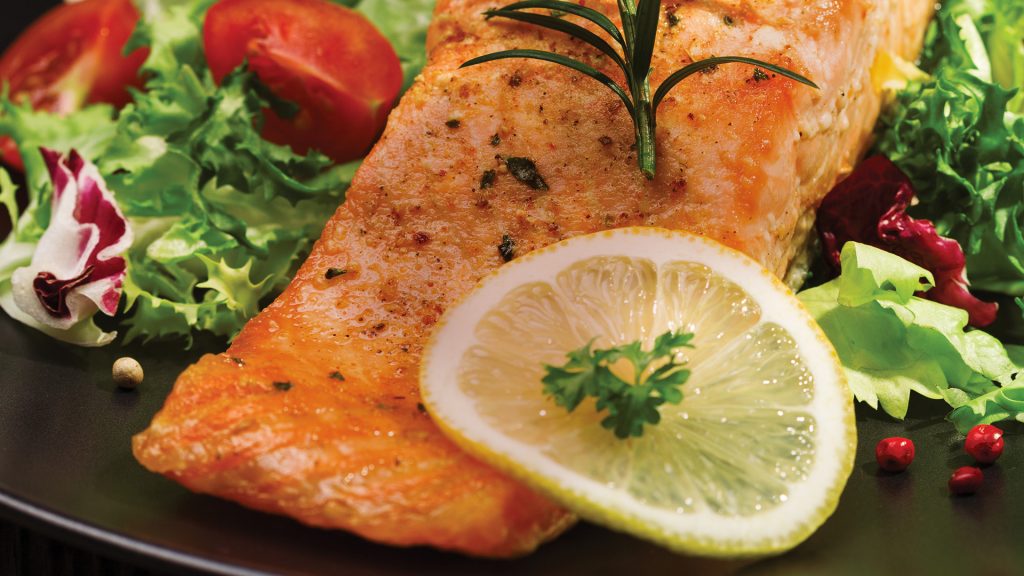
The Seafood Team at Price Chopper has gone hook, line and sinker off the deep end to make sure you have fresh, delicious choices. Waiting for you in the Seafood department, beautiful Fresh Chilean Salmon Fillet, amazing colossal scallops, (super tender and the perfect serving size for young children), premium shrimp and a wide variety of other fillet options are all ready for your favorite family-friendly Fast Fresh Beach Tacos recipe, a cutting edge twist on international flavors like Maple Gochujang Roasted Salmon with Shiitake Mushrooms Charred Red Cabbage, and grilled seafood recipes like Tequila Lime Shrimp Skewers with Grilled Fruit Salsa. Chef tip – many recipes are adaptable to your favorite seafood item, fresh or frozen, though cooking times may vary. Grilled recipes can also be oven-baked or broiled – make it your own!
Time-crunched? Seafood fits perfectly into a busy schedule, cooking up in an average of about 10 minutes. Catch a great deal and enjoy a M32 seafood and vegetable dinner with Seafood meals available in the GrabNGo case. Salmon Florentine Pinwheel with Broccoli is just one of these just-right portioned Market 32 Seafood Meals that bake in their own tray for quick cooking and cleanup. Watch for AdvantEdge bonus points – what a great way to benefit waist and wallet!
Need any more reasons to dive in? Seafood is a nutrient-dense food – lean protein, omega 3’s, Vitamin D, and minerals like iron, selenium, zinc and iodine are all part of the package seafood offers. That is straight from the updated recommendations released by the FDA and EPA last year. In this update, the FDA and EPA enhanced their recommendations and guidance with a Best and Good choices list, (more than 20 recommended items are in stores!) and shared some evidence-based guidelines for women who might become pregnant, breastfeeding mothers and young children. The 2020-2025 Dietary Guidelines for Americans, encourages starting children on seafood at 6 months or older – a bright beginning for smart food habits. Fresh, frozen and canned/pouch all count, and fit every appetite and budget. Only one third of Americans eat seafood each week, with the average intake just below 3 ounces per person – about half the twice-per-week recommendation of the American Heart Association and the Dietary Guidelines for Americans. So, get with the guidelines and enjoy more seafood each week!
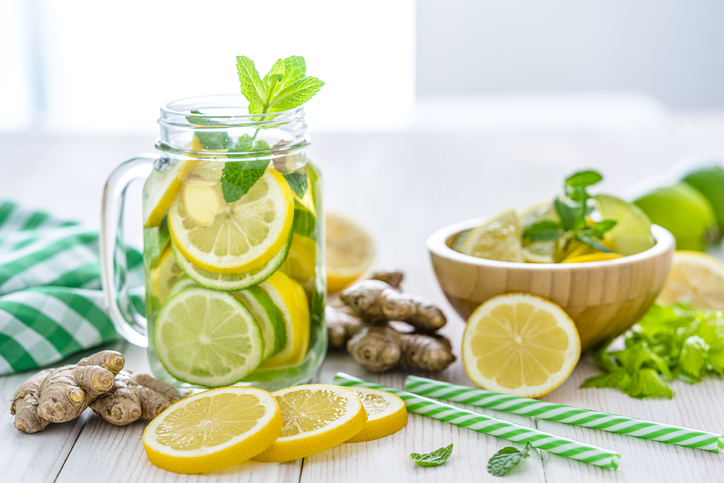
10 Ways to Love Lemons and Limes
Lemons and limes are major culinary collaborators, complimenting and enhancing many flavors, used in beverages, baking, and dishes from breakfast to dessert. They are essential to some cuisines – lemons front and center in Mediterranean and Italian dishes, limes synonymous with Southwestern, Caribbean, Thai and Mexican specialties. Every chef, foodie and dietitian has favorite ways to use the juice, zest and fruit of these citrus superstars.
Good to know:
- Lemons and limes should be washed under cool running water before use.
- A large lime or medium lemon will yield about ¼ cup of fresh juice.
- Store lemons and limes in the refrigerator for up to 3 weeks
- Lemons and limes can be frozen – sliced in rounds or quarters, frozen individually on a parchment covered sheet pan, then bagged for use within 3 months.
- Add lemon or lime juice to pan sauces at the end of cooking, after removing from heat.
- Too much lemon and lime can curdle dairy – check ingredient ratios for best results.
- Lemon or lime juice can be used to minimize browning in apples and potatoes
- Fresh zest is best – lemon and lime zest lose flavor with exposure to air
- Lemon juice can substitute/reduce the need for added salt in some recipes.
Power pairings – lemons and limes are easy to use with a variety of herbs and spices. Check out this luscious list for some inspiration!
Lemons love:
Butter, basil, ginger, honey, pepper, rosemary, garlic, parsley, thyme, oregano, Dijon, parmesan, dill, blueberry, and raspberry.
Lavish limes in dishes with:
Coconut, curry, chili, cilantro, coconut, chipotle, mango, hoisin, red pepper, jalapeno, cranberry, raspberry, and blackberry.
Bring that zing to your table with some great recipes:
Chicken with Lemon Herb Mushroom Sauce
Leftover Lemony Pork Kale White Bean Fettuccine
Roasted Garlic Parmesan Dip (also a great sauce for chicken or seafood!)
Eat Heart-Smart for American Heart Month
What is American Heart Month?
February is American Heart Month, a time the nation turns its attention to keeping families and communities free from heart disease, the No. 1 killer of American adult men and women. This federally designated event reinforces the importance of heart health and the need for more research, with a reminder to get families, friends and communities involved. It is a time to raise awareness about heart health and motivate Americans to adopt healthier lifestyles to help prevent heart disease.
–American Heart Association
Why is American Heart Month Important?
Although heart disease has multiple causes, adopting a healthier diet is one of the key actions people can take to combat it. American Heart Month is an ideal period to pause and take stock of food choices and eating behaviors, striving to phase out unhealthy habits and adopt better ones that can be sustained over the long term. And there are heart-healthy foods to be found in nearly every aisle of the grocery store! One great way to start is looking for the American Heart Association’s Heart-Check mark, which has been guiding shoppers to healthier choices for over 20 years.
–American Heart Association
Heart-Smart Snacks
- Greek Cucumber Walnut Bites:
Make heart-smart snacking simple with @cawalnuts this American Heart Month! These Greek Cucumber Walnut Bites are your new go-to snack. #eatheartsmart https://bit.ly/2NCQvFX
2. Sweet & Spicy Walnuts:
A handful of walnuts is a perfect snack to fuel your day, and these heart-smart Sweet and Spicy Walnuts from @cawalnuts will satisfy any appetite this American Heart Month: https://bit.ly/2JxfH2z
3. No-Bake Walnut, Cocoa, Cherry Bars:
Eat heart smart this #American Heart Month with @cawalnuts No-Bake Walnut, Cocoa, Cherry Bars: https://bit.ly/33glgHh
4. Maple Walnut Energy Balls:
Find heart smart, bite-sized bliss in the form of these Maple Walnut Energy Balls. Learn how to make them using @cawalnuts for American Heart Month: https://bit.ly/32evcjf
5. Herbed Cheese and Walnut Stuffed Mini Peppers:
Take a bite out of American Heart Month by snacking on these Herbed Cheese and Walnut Stuffed Mini Peppers from @cawalnuts: https://bit.ly/2WJpwwE
6. Cottage Cheese-Walnut Caprese Toast:
American Heart Month is the perfect excuse to make @cawalnuts’ Cottage Cheese-Walnut Caprese Toast every day. https://bit.ly/34v8MeY
Start the Day with a Heart-Smart Breakfast
- Sweet Potato Avocado Toasts with Walnuts:
A successful day starts with at breakfast! These Sweet Potato Avocado Toasts with @cawalnuts are the new American Heart Month staple: https://bit.ly/3dz0p7X
2. Banana Bread Overnight Oats:
Don’t let busy mornings ruin your American Heart Month goals. Banana Bread Overnight Oats from @cawalnuts are a simple meal-prep option. https://bit.ly/32anTJi
3. Walnut & Oat Crusted Veggie Egg Cups:
A heart smart breakfast is quick and simple with @cawalnuts’ veggies egg cups! Learn how to make them for American Heart Month: https://bit.ly/2PNia9I
4. Ricotta, Banana, Walnut, and Honey Toast:
This sweet toast is topped with ricotta, banana, honey, and @cawalnuts for a flavorful and satisfying American Heart Month snack so you can eat heart smart! https://bit.ly/2S8O0w5
5. Fluffy Banana Walnut Pancakes:
Nothing is sweeter to wake up to than a stack of fluffy pancakes! This recipe is made with egg whites and flavored with bananas and @cawalnuts for a delicious heart smart start to the day! https://bit.ly/2LLYlzD
6. Creamy Egg Cups:
Meal prep your heart smart breakfast with these egg cups, filled with vegetables, bacon bits, and of course crunchy @cawalnuts: https://bit.ly/3h1gdC5
Power Pear-ing for yo ur Heart: Walnut + Pear Recipes
- Walnut Pear and Avocado Bowl:
Celebrate American Heart Month by trying out this heart smart bowl topped with @cawalnuts and a tangy pear and avocado dressing: https://bit.ly/3lBkeOi
2. Walnut Pear and Oat Nuggets:
A bite-sized snack that’s fruity, nutty, and heart smart? @cawalnuts brings you the trifecta in this recipe for American Heart Month:https://bit.ly/2JxAeUx
3. Walnut Pear Quesadilla with Spicy Pear Salsa:
This Walnut Pear Quesadilla with an accompanying salsa is a perfect recipe to add some spice to your American Heart Month. Try out @cawalnuts zesty recipe as a snack today, and shop heart smart: https://bit.ly/2JFd7qK
4. Walnut Pear Yam Skillet:
American Heart Month calls for an indulgent, heart smart side dish that satisfies both sweet and savory palettes: https://bit.ly/2JIAUWM
Sides, Salads, & More!
- Power up with Plants Protein Box:
This American Heart Month, eat heart smart at lunch for a busy day using @cawalnuts. Try out their Power Up with Plants Protein Box: https://bit.ly/34rKhiS
2. Pear and Walnut Spinach Salad:
To eat heart smart, shop heart smart and start with the basics. @calwanuts’ Pear and Walnut Spinach Salad with a Citrusy Dressing is so simple to make, you’ll eat it all American Heart Month long: https://bit.ly/2QB65Dc
3. Roasted Vegetables with Walnuts, Basil, and Balsamic Vinaigrette:
With bell peppers, mushrooms, onions, and squash, this Roasted Vegetable dish from @cawalnuts will be a delicious addition to any table this American Heart Month. https://bit.ly/3lSXqKv
4. Walnut Broccoli Apple Slaw:
This slaw is accented with crunchy toasted @cawalnuts and sweet apples to create a side that’s perfect for American Heart Month. https://bit.ly/3mymqr3
5. Warm Cauliflower Tuna and Walnut Pasta:
This warm pasta dish is just what you need for American Heart Month. It’s packed full of protein, vegetables, and heart smart @cawalnuts. https://bit.ly/38jb5Fr
6. Lemony Tuna Walnut Zoodle Salad:
Full of flavor and heart smart goodies, this Lemony Tuna Walnut Zoodle Salad with @cawalnuts will complete your American Heart Month: https://bit.ly/3ak9pyi
*Supportive but not conclusive research shows that eating 1.5 ounces of walnuts per day, as part of a low saturated fat and low cholesterol diet and not resulting in increased caloric intake, may reduce the risk of coronary heart disease. (FDA) One ounce of walnuts offers 18g of total fat, 2.5g of monounsaturated fat, 13g of polyunsaturated fat including 2.5g of alpha-linolenic acid – the plant-based omega-3.
4 Reasons to Go Walnuts for Heart Health
Ellie Wilson
MS, RDN Manager, Lifestyle and Wellness
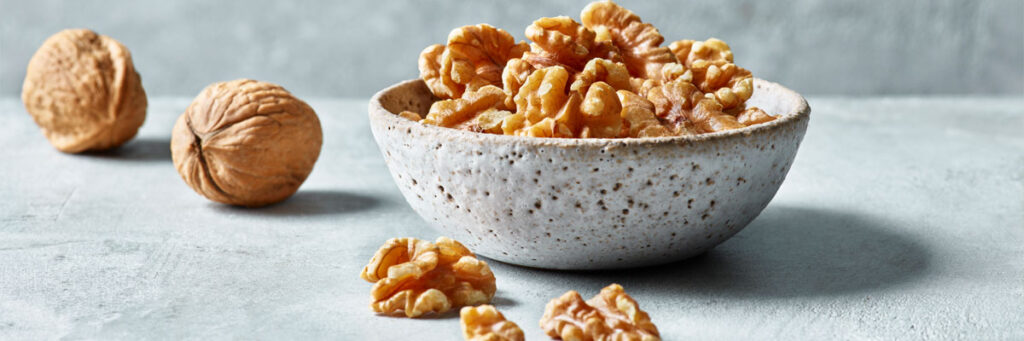
Can a handful of walnuts make a difference to heart health? Research shows that walnuts have a place in a HeartSmart eating plan. Check out these four tips from the California Walnut Board (where our excellent Market 32 walnuts are sourced.)
- Unique among nuts, walnuts contain the highest amount of the plant-based omega-3 alpha-linolenic acid (ALA) with 2.5 grams per ounce.
- One ounce of walnuts is a powerhouse of important nutrients for optimum health, including 4g of protein, 2g of fiber and a good source of magnesium (45mg).
- Walnuts are a whole food contributing many beneficial nutrients that support overall wellness from head to toe including the heart, brain and gut.
- Walnuts are certified heart-healthy*by the American Heart Association with the Heart-Check mark.
Walnuts are versatile – they can be used in almost any recipe that calls for nuts, and they can be added to almost any recipe to add flavor, crunch and nutrition benefits. They keep best when refrigerated, especially after packaging is opened, a good tip for maximizing shelf life and budgets. They get another layer of flavor when toasted – it deepens the nutty flavor and takes your recipes up a notch! Keep it simple by sprinkling on cereal, tossing a handful in a smoothie, or adding to a cake or quick bread. Find out more about walnuts, check out the history, farming and sustainability, as well as great, tested recipes here!
BOGO Alert! We can help you explore how much more you can do with walnuts – from Sunday, January 31 to Sunday, February 28th, buy 1 bag of Market32 Walnuts, and get $1 off Chobani Greek Yogurt 24 or 48 oz containers. Find the Market 32 Walnuts in the Produce Section. This yummy recipe adds savory Greek Yogurt and walnuts to banana quickbread – Enjoy!
*Supportive but not conclusive research shows that eating 1.5 ounces of walnuts per day, as part of a low saturated fat and low cholesterol diet and not resulting in increased caloric intake, may reduce the risk of coronary heart disease. (FDA) One ounce of walnuts o_ers 18g of total fat, 2.5g of monounsaturated fat, 13g of polyunsaturated fat including 2.5g of alpha-linolenic acid – the plant-based omega-3.

American Heart Month - 5 Tips to Eat With Your Heart in Mind
Ellie Wilson
MS RDN, Manager, Lifestyle and Wellness
February is American Heart Month, and at Price Chopper/Market 32, we have many resources and tools that can support your efforts to enjoy a Heartsmart lifestyle.
The 2020 Dietary Guidelines for Americans has a great tagline that can guide how you make food and health decisions – “Make Every Bite Count”. This energizer is meant to help you look at the food choices you make for the benefits they bring to eating well and preventing disease. That can be challenging for many reasons. We have some shortcuts in our stores and pharmacies that can help put smart choices, budgets and wellbeing together more easily.
- Start small by using the Know Your Colors nutrition guides at the shelf and the Shops Online section of the Price Chopper/Market 32 website. These guides highlight products that meet HeartSmart and Low Sodium criteria, making it quick and easy to find and check the label for the information you need. The coordinating colors make it easy to use – red for HeartSmart, yellow for Low Sodium, with many items having both! Learn more at on our website.
- Enjoy more seafood, especially omega-3 rich salmon, trout, and tuna. Seafood twice per week is recommended by the American Heart Association and Dietary Guidelines – reel in the benefits of the great fresh and frozen seafood options that go from pan to plate in less than 20 minutes!
- Add Market 32 walnuts to salads, snacks and meals with American Heart Association Certified Heart Healthy recipes featuring walnuts! Check out the display in Produce and find a great BOGO coupon for Chobani Greek Yogurts.
- Double up on produce intake, whether it be fresh, frozen or canned – all bring benefits and Americans have plenty of room to add more to meet daily recommendations. Explore new takes on traditional foods, such as lentil pasta – combined with regular pasta to add the flavor, fiber, protein and nutrient benefits of pulses, in an affordable and delicious way. Add some extra canned PICS No Salt Added tomatoes and PICS Canned Beans for a flavor, protein and veggie-boosted meal that is easy on your time and budget!
- It is easy to find Low Sodium tagged tomatoes and other items throughout the store – the Know Your Colors nutrition guide helps you see where you can trade up to low sodium ingredients that connect the dots to smart choices for recipes and family meals.
Our Pharmacy team has great resources and programs – learn more about how to check blood pressure at the PharmaSmart kiosk, and how the Pharmacy app can help you keep blood pressure and heart medications on track!
Heart Health: Who Should Take Aspirin and CoQ10
Megan Hwaszcz
Pharmacy Intern
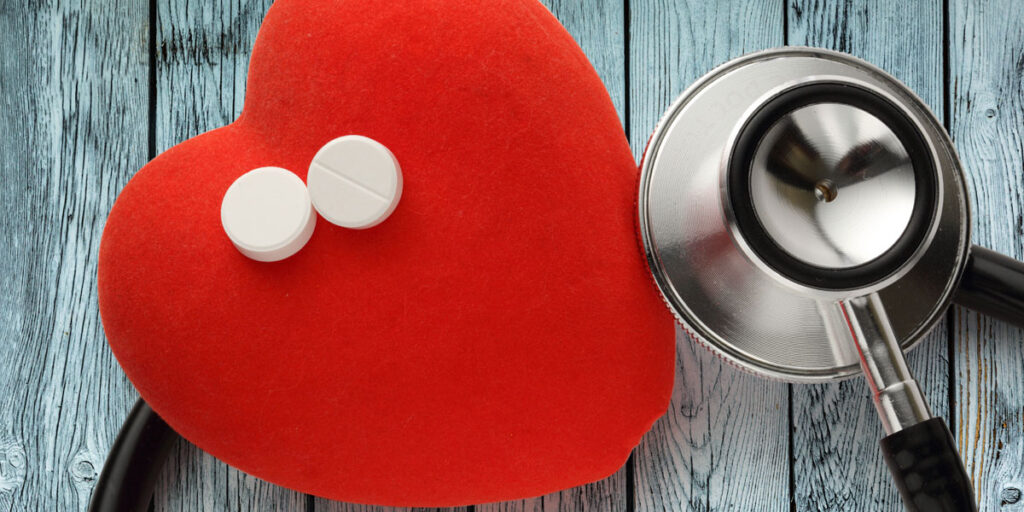
How many of you can remember the saying an aspirin a day keeps the doctor away? Most of us can say yes within a few seconds. However, many of us don’t know that it may not be the case anymore. Previously, aspirin was either prescribed or self-prescribed to prevent heart attacks, stroke, or other cardiovascular events1,2. Recent studies have shown that it may be doing more harm than good. You may be asking yourself, wait I take a daily aspirin. But wait, this new recommendation does not apply to everyone.
These new findings do not apply to individuals who have history of heart disease, stroke, those who underwent bypass surgery, or those who had a stent placed1. Patients with diabetes and have at least one other heart disease risk may be started on a low dose aspirin by their healthcare provider2. If you fall into any of these categories, you should continue to take low-dose (81 mg) aspirin daily, or as recommended by your health care provider to prevent another event1.2. For healthy individuals, studies on taking a daily low-dose aspirin are not consistent so what is currently recommended is to avoid taking a low-dose aspirin as there is no clear benefit but rather more potential for harm; including but not limited to increased risk of bleeding1,2. If you fall into this category and feel like you could benefit from a low-dose aspirin, speak to your healthcare provider or local Price Chopper Pharmacist for more information.
If you are otherwise a healthy individual, you can protect yourself in other ways with healthy habits1. Three simple steps include eating a heart-healthy diet, participating in regular exercise, and controlling blood pressure and cholesterol1. Before taking a low dose aspirin, always ask your healthcare provider before starting!
Now onto the next heart health drug, CoQ10. Some of you may be thinking what is that? Coenzyme Q10, or CoQ10, is an antioxidant and natural substance found in your body with the highest amounts found in the heart, liver, kidneys, and pancreas3,4. Your body uses CoQ10 for growth and maintenance4. This is considered a dietary supplement and with dietary supplements, it is important to note that these are not federally regulated by the FDA.. There are many things that CoQ10 has been rumored to aid in; including the prevention of heart disease, reduction of heart failure symptoms, a decrease in high blood pressure, reducing the risk of complications after heart surgery, and reducing high cholesterol levels. Numerous studies have examined the effects of CoQ10 in these areas; however, were found to be inconclusive and unclear3.
Is CoQ10 safe to take? CoQ10 is assumed to be safe with few adverse effects4. It may be beneficial to treating conditions like congestive heart failure. But it is notably important to discuss with your healthcare provider before starting. With supplements, it is always important to ask your doctor or pharmacist before starting due to potential drug interactions. CoQ10 has a possible interaction with anticoagulants, like Coumadin or Jantoven, making them less effective and increasing the risk for a blood clot4.
Should you take CoQ10? If you fall into any of the categories listed above; high blood pressure, heart failure, recent heart attack, or heart disease, speak to your healthcare provider or local Price Chopper Pharmacist before starting to make sure it is safe for you to start!
References:
- Avoid daily aspirin unless your doctor prescribes it, new guidelines advise [Internet]. www.heart.org. 2020 [cited 26 August 2020]. Available from: https://www.heart.org/en/news/2019/03/18/avoid-daily-aspirin-unless-your-doctor-prescribes-it-new-guidelines-advise
- Should you take a daily aspirin for your heart? [Internet]. Mayo Clinic. 2020 [cited 26 August 2020]. Available from: https://www.mayoclinic.org/diseases-conditions/heart-disease/in-depth/daily-aspirin-therapy/art-20046797#:~:text=The%20U.S.%20Preventive%20Services%20Task,over%20the%20next%2010%20years.
- Coenzyme Q10 NIH [Internet]. Nccih.nih.gov. 2020 [cited 26 August 2020]. Available from: https://www.nccih.nih.gov/health/coenzyme-q10
- Coenzyme Q10 Mayo Clinic [Internet]. Mayo Clinic. 2020 [cited 26 August 2020]. Available from: https://www.mayoclinic.org/drugs-supplements-coenzyme-q10/art-20362602