Mia Teal
Marketing Coordinator, Paid Media
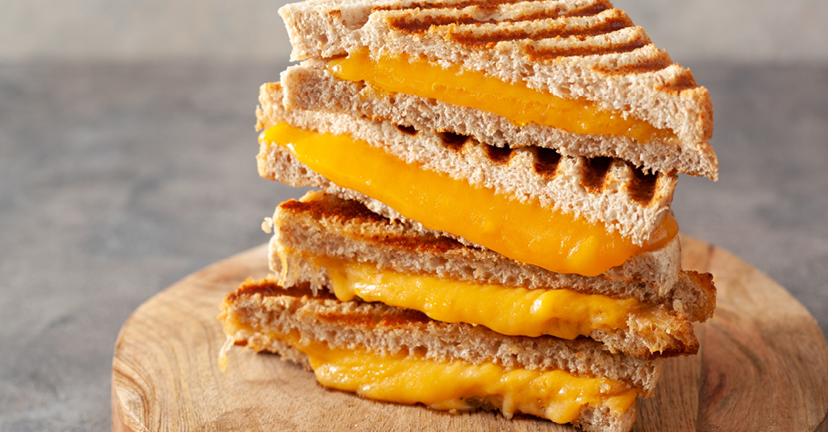
Calling all cheese addicts! You know that feeling when cheese just melts in your mouth and makes you want more? That’s exactly what we deliver with our grilled cheese recipes. The month of April is National Grilled Cheese Month, and we are here to help you indulge in all the cheesy goodness! Don’t believe us? Just look at these recipes below! Our next level recipes will take your taste buds to a cheesy paradise.
Pear Grilled Cheese on Raisin Bread: The sweetness of cold pears with the saltiness of warm cheese makes for the perfect sandwich. Better yet, the raisin bread takes this sandwich to a whole new level.
Jumbo Lump Crab Salad & Cheddar Grilled Cheese Sandwiches: Now THIS is the ultimate grilled cheese sandwich! This hearty meal will satisfy the taste buds of all who try!
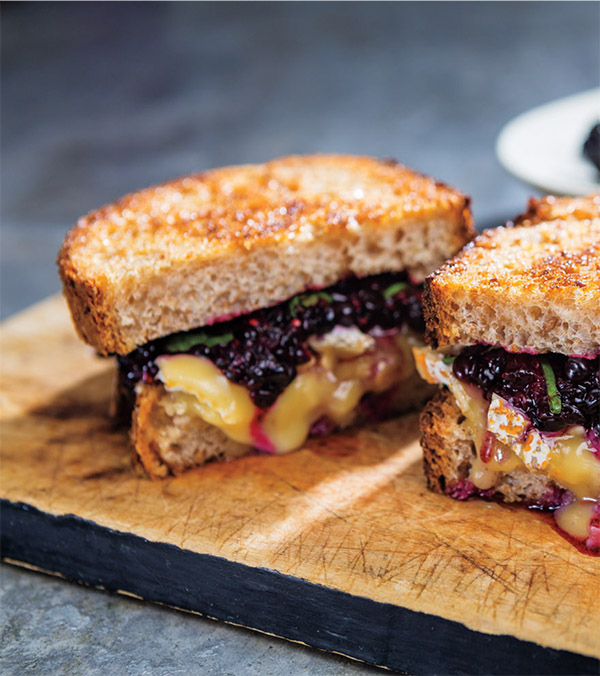
Smashed Blackberry, Basil & Camembert Grilled Cheese: This five-ingredient grilled cheese is perfect if you are in a time crunch! With berries back in season, try adding in raspberries or strawberries as well.
Mia Teal
Marketing Coordinator, Paid Media
With Earth Day being celebrated tomorrow, we have a heartwarming story that corresponds with our commitment to help keep our Earth, and fisheries, sustainable! A special thank you to Johnstown, store #012 for making this story possible.
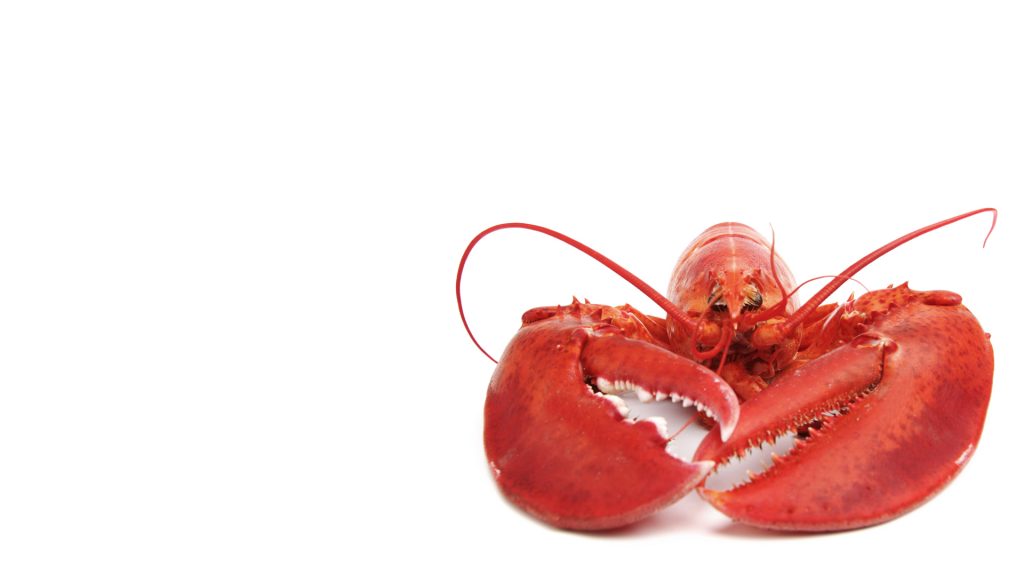
On March 27, 2023, the Johnstown seafood department noticed they had received a pregnant lobster. The store immediately took action. They isolated the lobster in the cooler, started making calls and writing emails to bring this lobster back to sea. After proper instruction, the store took the utmost, gentle care with this lobster and made sure she was safely and comfortably packed so she could be shipped back to Maine.
Once this lady was received, marine biologist Curt Brown cut a notch into one of her tail flippers, which signifies that she is a proven breeder. From here on out, she will be illegal to keep again, even after she releases her eggs. The lobster has been returned back to her home at sea.
Brown noted that the efforts made at Johnstown Price Chopper will result in 10,000 lobster eggs being released this spring! We are incredibly proud of our teammates for saving her life, and allowing thousands of baby lobsters to be born.
Thank you, Johnstown!

Ellie Wilson
MS, RDN, CDN
Every January, you resolve to get more active and be better connected to your health, and, for many, life happens, and your plans get moved aside. But you know you will feel better, lower blood pressure, maintain healthier weight, strengthen heart and bones, and so much more if you can create sustainable routines. Therefore, making it easy to get going and keep moving will help you hit your health and movement targets and be the healthier person and family you want to be!
First – understand that every move counts. For adults, that means walking around the office, gardening, house cleaning, lifting or mowing – whatever you do as part of your day on a regular basis. For children, it may mean walking to the bus stop or school, playing in a park or backyard, doing chores and playing sports. Think about how much you are moving, and how much your family moves – could you do more?
Second – consider how you feel. How is your energy? How well are you sleeping? For children, ask the same questions – are they chronically cranky? Sleep 8+ hours per night? Getting more active can really change energy management – literally, energy creates energy! Moving more also lowers the negative energy of anxiety that impacts overall wellness and facilitates better sleep due to the energy “cost” of physical movement. Better sleep = better energy, and creates a positive feedback loop you can tap into to keep everyone on a better schedule.
Third – set the stage to move more. What do you like to do, or what would you like to try? Set yourself up for success by making it easy to get going. Headed to work? Put your sneakers in your work bag and walk at lunch or stop and walk in the park on the way home. Kids getting restless? Take a family walk! Many families have a Sunday meal together – how about a Sunday morning hike? Try 2 or 3 different places in your area to keep it fresh and enjoy different environments. Get other family members to share their ideas and give everyone a chance to lead the way! Count steps with the apps built into phones and add them up each week.
Finally – set goals and give credit for effort, versus only the result. Can you walk the neighborhood twice per week? How can you make it 3 times? Or can you walk for 10 minutes this week, and make it 15 minutes next week? Praise partners and children for the work/play and for trying – with a side of how to recover or understand that no one is an expert at any activity the first time they try it! Share your excitement about a new option or a favorite activity – that builds confidence and memories for family members, and models being adventurous and open to new ideas.
Enjoy moving toward a higher quality of life!
Written by our friends at Green Mountain Energy
When it comes to living greener, mealtime is the right time to make a big difference. Though you may not realize it, our eating habits can be harmful to the environment. Here are a few mindful practices that can make it easier to eat and live more sustainably, courtesy of Green Mountain Energy.
Mindful eating
Mindful eating means knowing where your food comes from. Livestock production requires much more food, water and energy use than it takes to produce plants. To offset this, prioritize produce and cut back on animal products like meat, dairy and eggs.
Sustainable plant agriculture (like low-carbon production and avoiding pesticides) and animal agriculture (like buying local and considering the health and well-being of the animals) leads to a healthier life and greener lifestyle.
Cooking at home
Homemade meals give you more control over your choices, starting with local, eco-friendly ingredients, and ending with how much food you waste.
Food waste accounts for about 21% of landfill volume. As it spoils in the heat, it releases gases that harm the planet. There are easy ways to whittle down food waste, like using every part of the vegetables you eat, like broccoli stems, and composting leftover scraps for your garden. Read more about how to eliminate food waste in this blog.
Safe, sustainable serving
At Green Mountain Energy, we’re working to show people how every single decision we make can help or harm the environment, down to the plates we use at dinnertime. You can dish up a side of sustainability at every meal by considering what you eat it on and how you serve it.
Your dinnerware comes in direct contact with your food, so choose chemical-free and non-toxic options.
Go a step further with recyclable, American-made and eco-friendly dinnerware. Wood, bamboo or recycled-glass materials are great options. Also look for renewable materials when it comes to cutting boards, placemats and more.
Smart storage
Use reusable bowl covers or organic cotton wraps like these instead of plastic wrap. For storage containers, skip the plastic variety and opt for recycled glass or stainless steel.
Storing food properly is important, and that includes knowing how long you can store it. Freshness maximizes food safety and quality. Fish should remain in the fridge no longer than two days, while meat should be eaten between two and four days after being stored. Remember, produce lasts much longer and is better for your body and the planet. Check out the expiration dates for all your favorite foods here.
Keep your green momentum going
When it comes to food, use sustainable practices for the health of yourself and the planet. But don’t stop there! We’ve gathered up more simple tips for cultivating an Earth-friendly lifestyle on our blog here.
Our favorite way to live greener is also one of the easiest: choosing to use clean electricity in your home. We’ve partnered with Market 32 to make going green even more rewarding, featuring 100% renewable energy plans that let you save at the checkout line. Learn more here.
Pet Food Drive
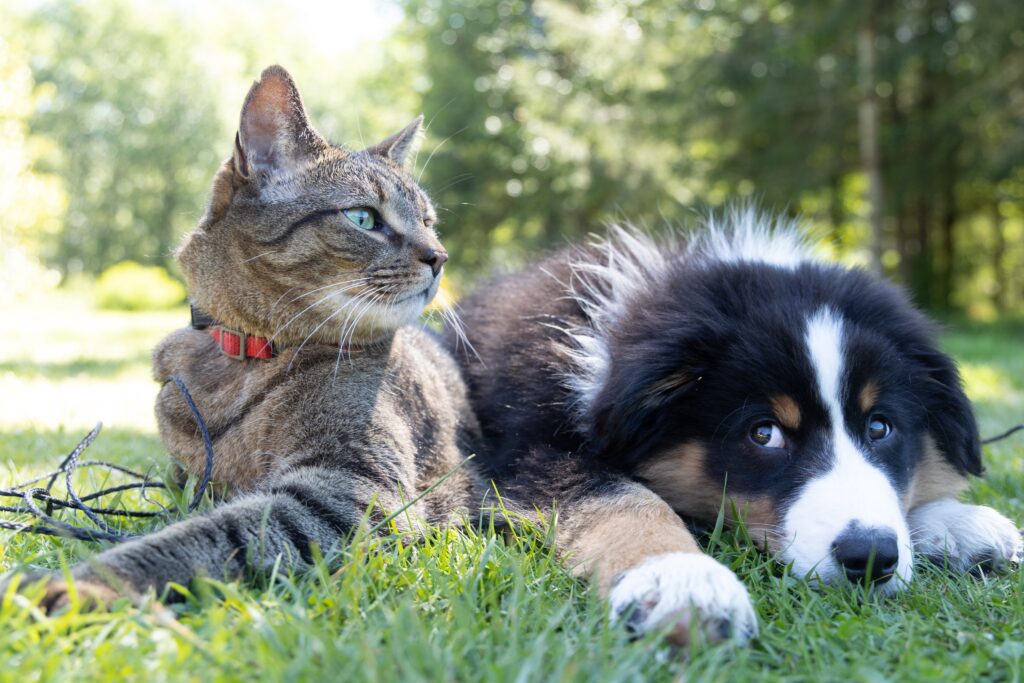
Pets provide unconditional love, meaning, and joy to our lives. Sadly, millions of companion animals enter shelters nationwide every year. Help create a better, kinder place for them by donating items during our annual pet food and supply drive. Through Sunday, April 30, purchase pet food or supplies and place them in the collection bins at the front of the stores. All items will be provided to local animal shelters, listed below to help our furry friends in need.
| 1 | Eastern Pkwy. | CD Humane Society |
| 3 | Brunswick | CD Humane Society |
| 12 | Johnstown | the James Brennan Humane Society |
| 23 | Madison Ave. | CD Humane Society |
| 28 | Twenty Mall | CD Humane Society |
| 29 | Potsdam | |
| 30 | Ogdensburg | Gracious Friends Animal Sanctuary- |
| 32 | Massena | – |
| 36 | Cohoes | CD Humane Society |
| 38 | Glenville | CD Humane Society |
| 39 | Wilton | CD Humane Society |
| 40 | Glen Street | |
| 42 | Catskill | Hyer Ground Rescue |
| 44 | North Utica | – |
| 45 | Delaware Ave. | CD Humane Society |
| 94 | Mechanicville | CD Humane Society |
| 111 | East Greenbush | CD Humane Society |
| 112 | CSW | CD Humane Society |
| 116 | Cobleskill | Animal Shelter of Schoharie Valley |
| 125 | Manchester | Second Chance Animal |
| 130 | Endicott | Broome County Dog Shelter |
| 133 | Westgate | CD Humane Society |
| 134 | Oneonta | Super Heroes Animal Shelter |
| 136 | Brattleboro | Windham County Humane Society |
| 138 | Loudon – MB | CD Humane Society |
| 142 | Vails Gate | Hudson Valley SPCA |
| 158 | Route 50 | CD Humane Society |
| 159 | Bethlehem | CD Humane Society |
| 175 | Altamont Ave | CD Humane Society |
| 177 | Windsor, VT | Lucy Mackenzie Humane Society |
| 181 | Hudson Valley | CD Humane Society |
| 183 | Guilderland | CD Humane Society |
| 184 | Malta | CD Humane Society |
| 188 | Shaker Rd | CD Humane Society |
| 189 | Putnam | NECOGG Animal Shelter, Dayville CT and Paw Cat Shelter, Woodstock CT |
| 196 | Glemont | CD Humane Society |
| 207 | Commercial Drive | Anita’s Steven Swan Humane Society |
| 210 | Richfield Springs | Herkimer County Humane Society- |
| 216 | Owego | Stray Haven Humane Society and SPCA |
| 220 | Champlain | Emolre SPCA- |
| 224 | Colonie | CD Humane Society |
| 226 | Oswego | Oswego County Humane Society |
| 233 | Lenox | Berkshire Humane Society |
| 238 | Saratoga (PC LTD) | CD Humane Society |
| 241 | Alexandria Bay | Jefferson County SPCA |
| 243 | Storrs | Windham Animal Shelter; |
| 245 | Watervilet | CD Humane Society |
| 246 | Chatham | Columbia Greene Humane Society |
| 250 | Clifton Park | CD Humane Society |
Mia Teal
E-Commerce Marketing
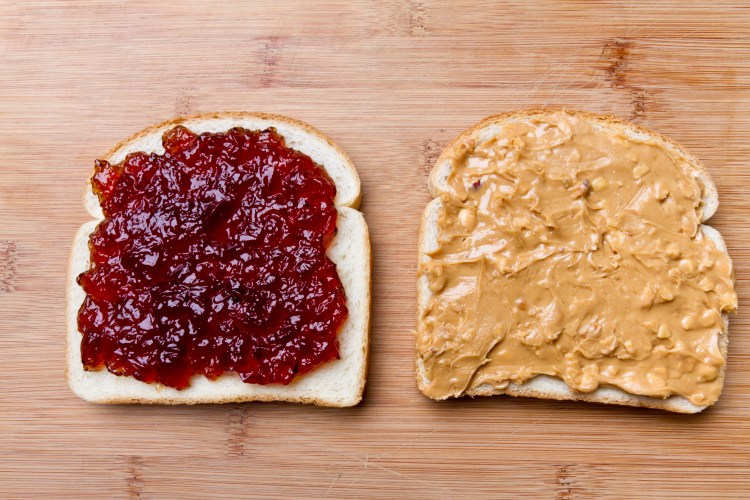
Hooray for National Peanut Butter & Jelly Day! We are going nuts over this delicious combination that is a favorite for so many people. At Price Chopper & Market 32, we have a wide selection of peanut butter, jelly, jam, and fresh bread. Be sure to take a look at the end of this article!
Do you really know your peanut butter and jelly? Don’t miss out on these fun facts!
- The peanut butter & jelly combination is nothing new. The first of these sandwiches appeared 122 years ago in a cooking magazine.
- The average American will eat 15,000 peanut butter and jelly sandwiches before graduating high school. That is kind of a lot!
- Peanut butter and jelly sandwiches are ranked #9 of the top 15 sandwiches Americans love.
Love peanut butter and jelly? So do we! That’s why we’re sharing our favorite recipes below for National Peanut Butter and Jelly Day. Whether you prefer chunky or smooth, grape or strawberry jelly, we’ve got something for everyone. Explore new flavor combinations and impress your taste buds with our easy-to-follow recipes.
Peanut Butter & Jelly Breakfast Tart: This freshly baked peanut butter & jelly breakfast in the morning will put a smile on everyone’s face! The best part? It is quick, simple, and only requires a handful of ingredients!
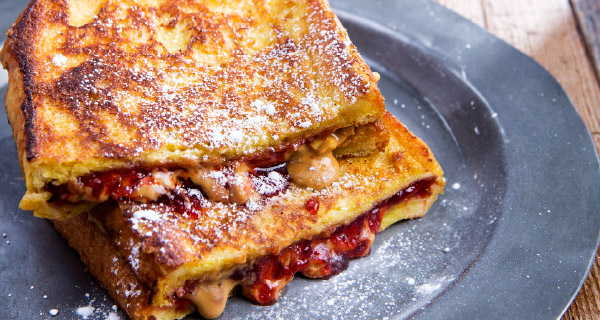
PB & J Stuffed French Toast: Remember when we noted that peanut butter & jelly has evolved? This is the perfect example! This takes the classic French Toast to a whole new level!
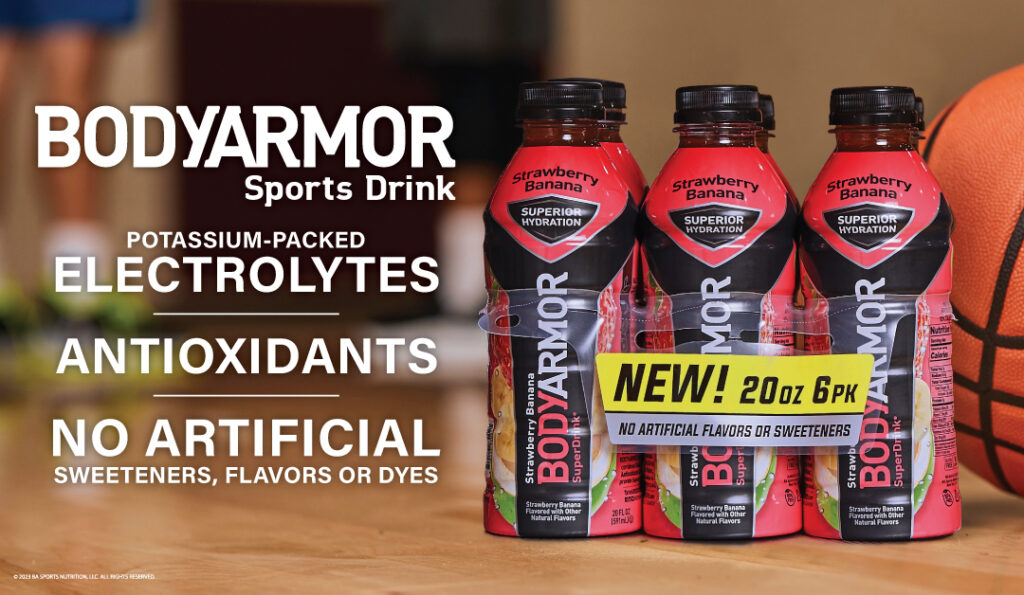
New Items: BODYARMOR 20oz, 6 Packs
Well we thought we knew everything about BODYARMOR Sports Drink until this month when they dropped a brand new 6 pack 20oz package into our stores!
In case you are new to the BODYARMOR brand, they have a wide variety of Sports Drink flavors including the new in 2023 (and on the shelf at Price Chopper) Cherry Lime, Strawberry Banana Lyte, and Dragonfruit Berry Lyte. This new 6 pack 20oz package comes in the best 5 flavors that they produce. Strawberry Banana, Orange Mango, Fruit Punch, Strawberry Grape, and Peach Mango Lyte.
BODYARMOR prides itself on being the best sports drink in the category because you rehydrate with potassium from coconut water instead of salt. They have had an impressive list of athletes that support the brand and they continue to move into the entertainment world with recent partnerships with Carrie Underwood and Jennifer Lopez.
The 20oz 6 pack delivers in the category of “I didn’t know I needed this product until I picked it up.” The 16oz single serve is my go to and the 12oz 8 pack has been great for my kids, but when I picked up the 6 bottles of 20oz for less than $1 a bottle plus having those extra few ounces really hit the spot. Keep the Peach Mango Lyte 6 packs full please 😊.
BODYARMOR Sports Drink delivers hard-working hydration with potassium-packed electrolytes, antioxidants and no artificial sweeteners, flavors, or dyes. Look for the brand in the Sports Drink aisle.
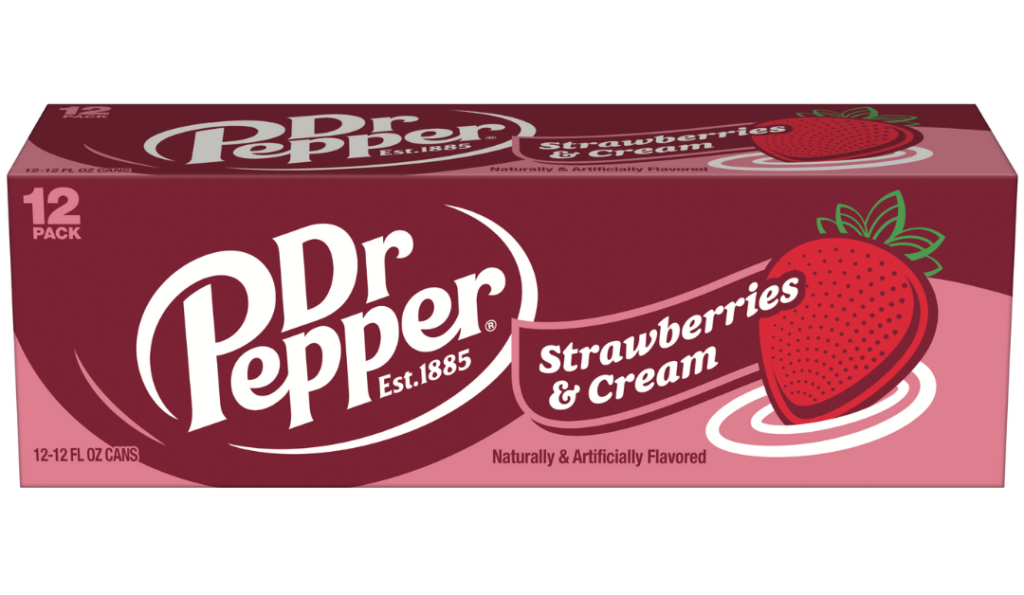
Introducing the newest member of our sweet Dr Pepper family – Dr Pepper Strawberries & Cream. We started with our unique blend of 23 flavors that we’ve been making since 1885. Then, we combined that distinctive Dr Pepper flavor with the delicious sweet flavor of strawberries and the smooth taste of cream that will have your taste buds thanking us. Other sodas can try, but only Dr Pepper Strawberries & Cream can satisfy your craving for a smooth, delicious and unique flavor combination. It’s sure to become a refreshing favorite for dinner, lunch or even breakfast (we won’t judge you). Although you can enjoy the unique flavor all on its own, you can also pair it with food. Dr Pepper Strawberries & Cream is the perfect companion for everything from a full meal like pizza, burgers or rotisserie chicken to a quick snack like pastries, chocolates or your favorite candy. You can’t go wrong with the taste of Dr Pepper Strawberries & Cream when you want to satisfy your sweet cravings. Give your tastebuds something to cheer for with the smooth, satisfying flavor of an ice-cold Dr Pepper Strawberries & Cream and they’ll thank you for it every time!
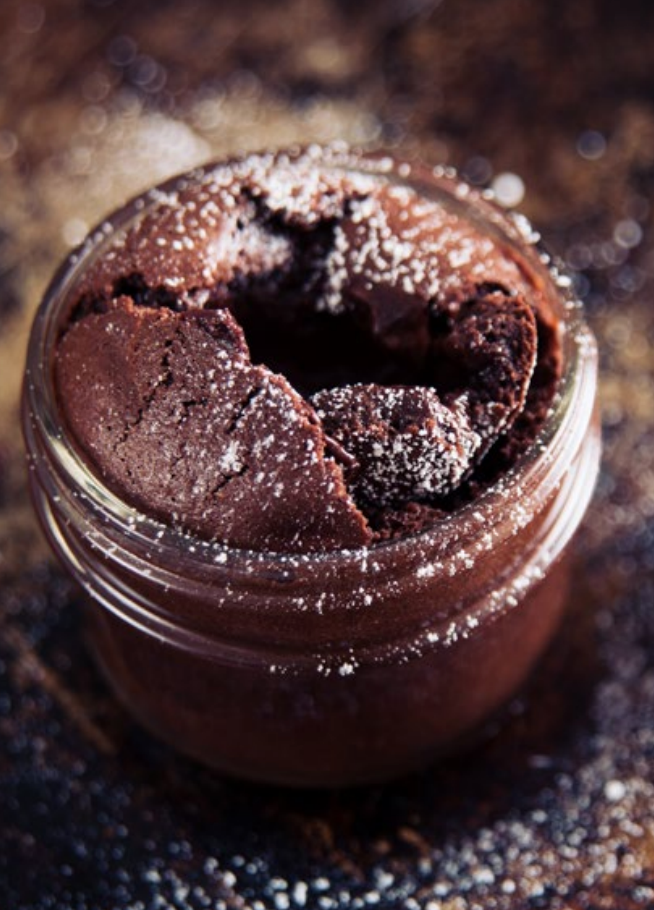
Dr Pepper Strawberries & Cream Chocolate Pudding Cake
Ingredients:
• 1 1/2 Dr Pepper Strawberries
& Cream 12oz cans
• 1/2 cup & 2/3 cup unsweetened
cocoa powder (separated)
• 1/2 cup & 2 cups Sugar
(separated)
• 1/2 cup packed Brown Sugar
• 1 1/2 cups All-purpose Flour
• 1 1/2 tsp Baking Powder
• 1 1/2 tsp Baking Soda
• 1 tsp Salt
• 2 Eggs
• 1 cup Milk
• 1/2 cup Coconut Oil, melted
• 2 tsp Vanilla
• Whipped cream (optional)
• Strawberries for garnish
Instructions:
• Preheat oven to 350° and line a
9×13 baking dish.
• Heat 1/2 cup cocoa powder, 1/2
cup sugar, 1/2 cup brown sugar, and
Dr Pepper Strawberries & Cream in
a saucepan over medium heat until
creamy.
• Mix the rest of the ingredients and
pour into the baking dish. Add the
pudding mixture from the saucepan
evenly over top.
• Bake for 25-30 minutes, allow to
cool, and serve. Top with whipped
cream and add strawberries for
garnish and enjoy!
Dr Pepper Strawberries & Cream & Coconut
Ingredients:
• 1 12oz can Dr Pepper
Strawberries & Cream
• 1 tbsp of coconut syrup
• 1.5oz vodka
• Whipped cream (if desired)
Instructions:
• Combine coconut syrup,
vodka, and ice in a glass.
• Add Dr Pepper Strawberries
& Cream.
• Top with whipped cream and
enjoy!
Mia Teal
E-Commerce Marketing
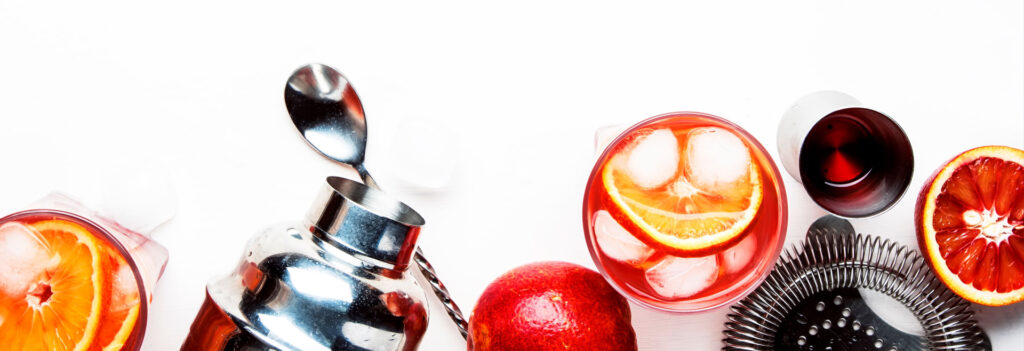
March 24th is National Cocktail Day, which just happens to fall on a Friday this year. How convenient! Price Chopper and Market 32 have a variety of recipes and all the best ingredients you need to celebrate tonight! First, let’s rewind time and see some history of the cocktail.
Cocktails are nothing new. In fact, they have been around since the 18th Century! Originally inspired by British punches, the term “cocktail” was first shown in a 1798 newspaper. It is unknown who created the first cocktail, but one thing is for certain – Cocktails have evolved over time. There are so many different recipes and variations to making a delicious cocktail. The possibilities are endless!
Now for the best part – let’s mix some drinks!
Spring Cocktails: What better way to celebrate the first week of Spring than with this Spring Cocktail! This drink is a delicious mix of berries, bourbon whisky, vodka, & gin!
Pomegranate Cosmo: To say this drink is refreshing would be an understatement. Fresh pomegranate in your cosmo? I think yes!
Poison Apple Sour: Dare to try this Poison Apple Sour? With only a few ingredients and 5 minutes prep time, we think this is a must-try!
Cos-Mocktails: Who says your drink needs to have alcohol? Try this non-alcoholic mocktail for a delicious, refreshing drink!

Need some ingredients! Shop below!
Source:
Mia Teal
E-Commerce Marketing
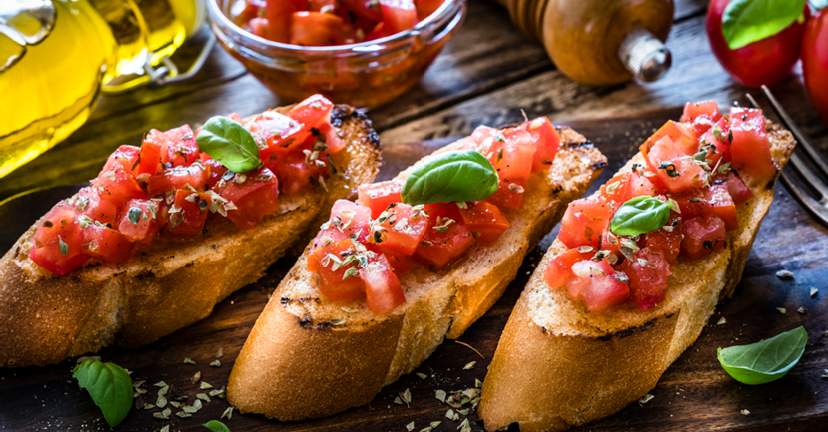
Crunchy French bread dipped in Olive Oil is a pairing like no other. Since National French Bread Day was this week, we wanted to draw attention to this delicious duo, but also highlight the benefits of olive oil. At Price Chopper and Market 32, we have freshly baked French Bread in our bakery that is made daily, a wide variety of olive oil, and so many recipes on our website that use olive oil as a main ingredient. Want to discover what the hype is around olive oil? Keep reading to find out!
Olive Oil Benefits:
Olive oil is considered to be heart-healthy. A 2022 Harvard study illustrates that regular olive oil consumption instead of animal fats could lead to lower cardiovascular disease risk. Additionally, olive oil could potentially help boost bone health and strength, as well as combat inflammation, according to the North American Olive Association. For more information, see the sources at the end of this blog and different studies that have come out around olive oil.
Cooking With Olive Oil:
While there are many different types of olive oils, you may be wondering what the differences are. In our “Cooking with Olive Oil” article, you will learn about four main types of olive oils and how they stand out from each other. This article will help you choose which olive oil to use the next time you cook. Additionally, if you are looking for new recipes that use olive oil, you have come to the right place! Check out these fabulous recipes that you are sure to love!
Orange-Scented Olive Oil Cake: When you think of baking a cake, you would typically use canola oil or vegetable oil. Yes, you can actually use olive oil in some baking recipes like this one! With cinnamon & nutmeg also in the mix, you are sure to have a favorite here.
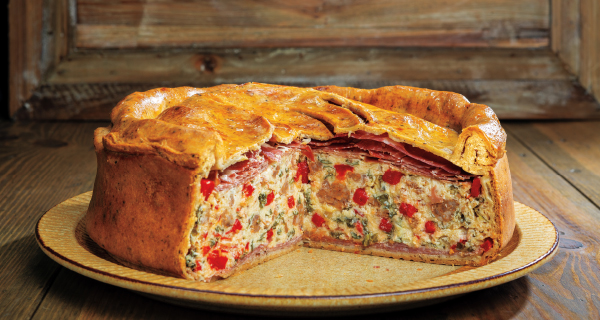
Italian Easter Pie: With Easter right around the corner, you will certainly want to try this Italian Easter Pie at your holiday gathering. All the freshest ingredients into one savory pie will have your guests thrilled!
Harvest Salad: Fresh arugula, blue cheese, walnuts, and brussel sprouts make for a fantastic salad. Cooking the brussel sprouts in PICS olive oil is the perfect way to make them!
Honey-Garlic Skillet Chicken: With only six ingredients, this chicken dish is absolutely delicious and simple to make.