


Mia Teal
Marketing Coordinator, Paid Media
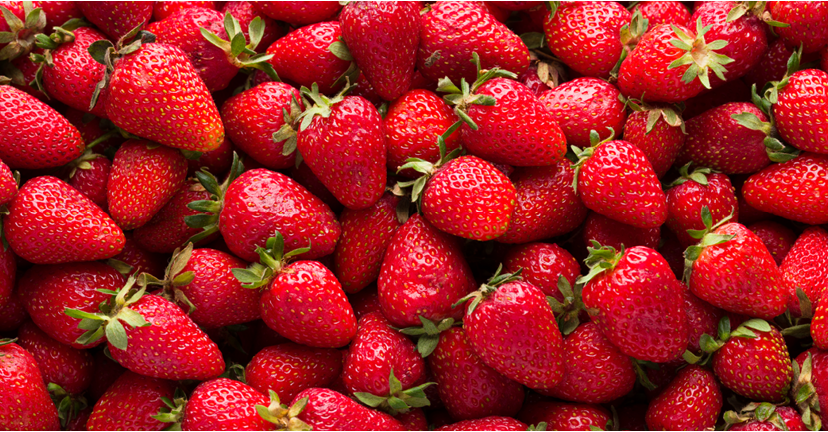
Autumn is just around the corner, which signals the start of pumpkin and apple picking season! While this is a thrilling time, it also signifies that other fruits and vegetables are transitioning out of season, such as the delightful strawberry. Let’s take a deeper dive on the season of strawberries, and recipes you can make to ensure that these little fruits do not go to waste.
Peak strawberry season in the Northeast is late May to early July. However, different varieties of strawberries have different seasons. Yes, there are different types of these berries! This diversity allows you to savor the sweet delights of June-bearing strawberries during early summer picnics, transition to the ever-bearing strawberries for a late summer treat, and extend your strawberry indulgence into the crisp days of autumn with day-neutral varieties. Take a look below on these three types of strawberries.
- June-bearing Strawberries: June-bearing Strawberries, as their name implies, start ripening in the middle to late part of June. They are characterized by their larger size and longer lifespan compared to other strawberry varieties.
- Ever-bearing Strawberries: This type is prevalent in June and early fall. These are not as sweet as June-bearing Strawberries.
- Day-neutral Strawberries: Day-neutral Strawberries represent the final category and consistently produce berries throughout the summer and into the fall, maintaining a continuous yield.
Berry-good recipes you will love!
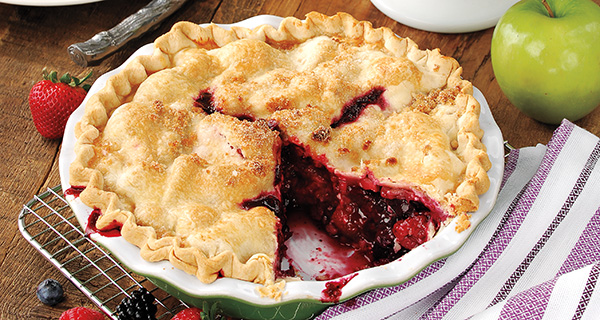
Bumbleberry Pie: A fresh mix of blueberries, blackberries, raspberries, and strawberries all baked in a warm pie? Who can say no? Try adding PICS Vanilla Ice Cream or PICS Whipped Cream to the pie.
Strawberry-Mango Salsa: This tropical dip will have your taste buds doing the salsa! Pair with PICS Tortilla Chips for the ultimate fiesta!
Strawberry Shortcake: Fresh berries & cream are a wonderful go-to on a Sunday morning!
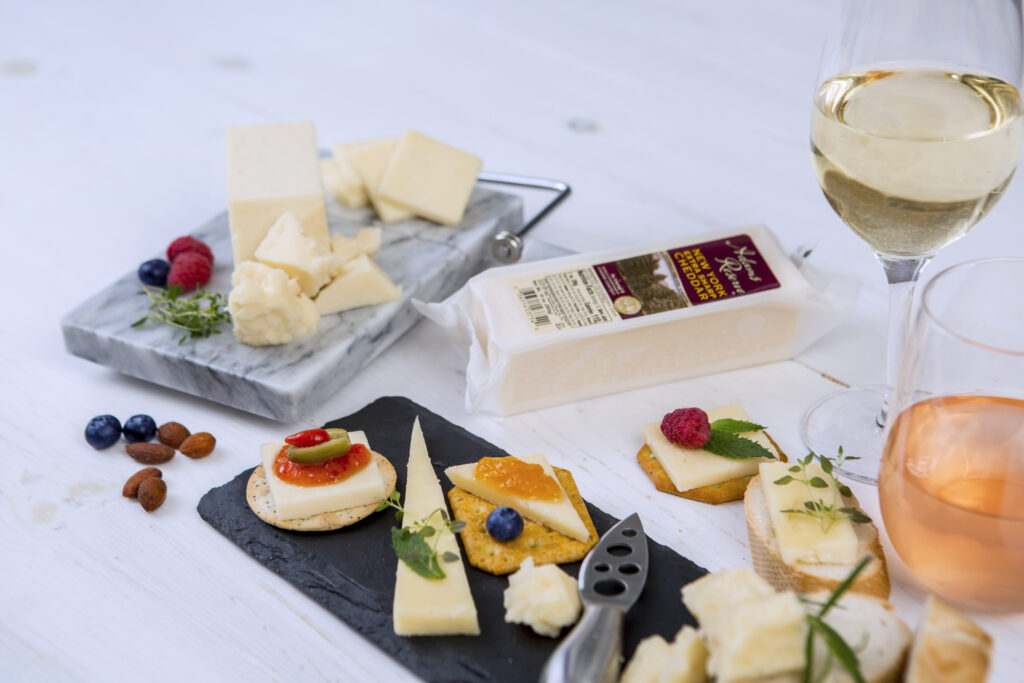
Price Chopper and Market 32 are so excited to announce a new Cheese of the Month program! Since we have so many specialty cheeses, you may not even realize that a bunch of our cheeses are made locally, like September’s Cheese of the Month – Adams Reserve Cheddar. Let’s take a look at why we love this cheese, and more importantly, what it pairs well with.
About Adams Reserve Cheddar:
In the small town of Adams, New York, milk from the finest dairy farms is transformed daily into this mouth-watering Cheddar. The ideal agricultural conditions found in upstate New York are a key part of what gives Adams Reserve Cheddar its distinct flavor. This is a place where Old World craftsmanship is blended with modern technology to produce this award-winning cheese.
Adams Reserve Cheddar continues to win awards at the World Cheese Championship and US Championship- proudly made by the finest dairy sources, and naturally aged for more than 12 months. This creamy, bold and full-bodied New York Extra Sharp Cheddar is sure to satisfy any cheese enthusiast’s palate.
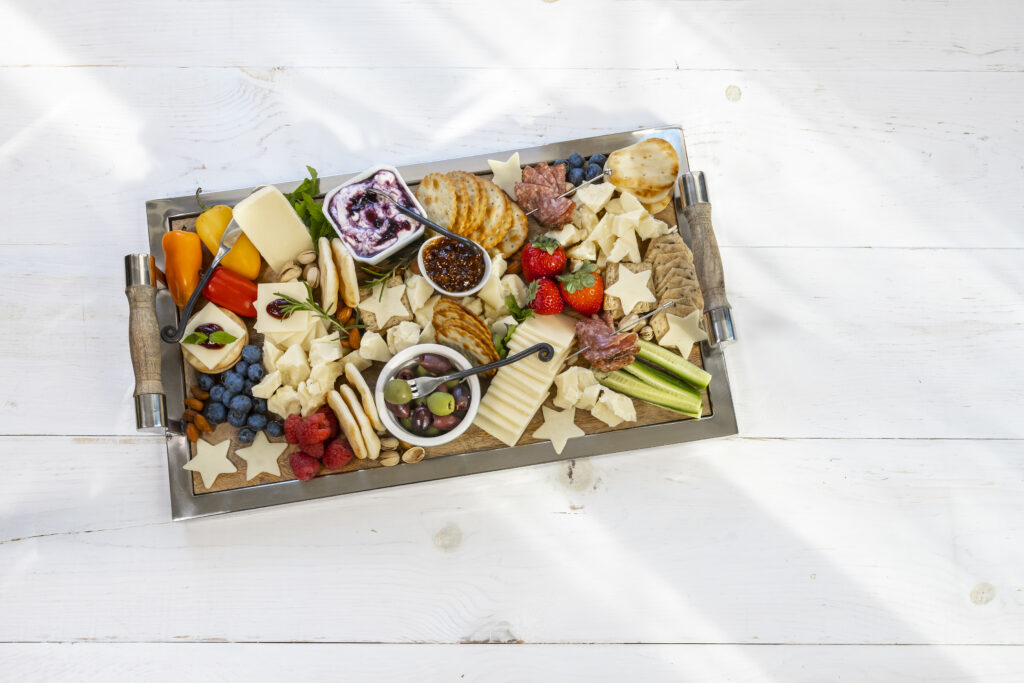
Pairs beautifully with:
- Salami
- Prosciutto
- Green olives
- Berries
- Pepper Jelly
- Wine: The sharp, creaminess of Adams Reserve Cheddar pairs beautifully with a deep red, or even a smooth, slightly sweet and crisp rosé.
Interested in learning more about Adams Reserve? Check out their website!
Tools For Schools is Back!
Mia Teal
Marketing Coordinator, Paid Media
It is hard to believe that another school year is right around the corner. At Price Chopper and Market 32, we understand the importance of children having proper school supplies to fuel their education and have donated over $14,600,000 in educational equipment through Tools for Schools. Beginning on Sunday, August 20th, customers can register for Tools for Schools to help their local school earn its share of over $200,000 in educational equipment.
How does what I buy help my school when I register for Tools for Schools?
By registering your AdvantEdge Card on our rewards site (follow steps at the end of this article), you can help the school of your choice accumulate “Stars” when you shop at Price Chopper / Market 32 from August 20, 2023 through February 17, 2024. One AdvantEdge Rewards point equals one Star earned. Just about everything you buy at Price Chopper and Market 32 can go towards Tools For Schools, but there are some exceptions. Items that do not go toward the program include Price Chopper, Market 32 and Market Bistro gift cards, alcohol, money orders, Western Union, lottery tickets, postage stamps, entertainment tickets, bottle deposits, copy/fax services, taxes and other items prohibited by law, including prescription co-pays in NY.
How do I help my school earn educational equipment?
Based on the Stars your school earned compared to all schools, your school will earn a portion of the $200,000 in educational equipment. From there, the Stars are then converted to Tools For Schools Catalog points for your school to order the items of its choosing. You can visit our rewards site after you have registered to view the Stars that you have earned for your school (updated weekly) and you can also elect to donate your AdvantEdge Rewards points to your school (in 100-point increments) to be converted directly to Catalog Points for your school with Price Chopper / Market 32 matching the value of donated points up to $35,000!
How do I register for Tools for Schools?
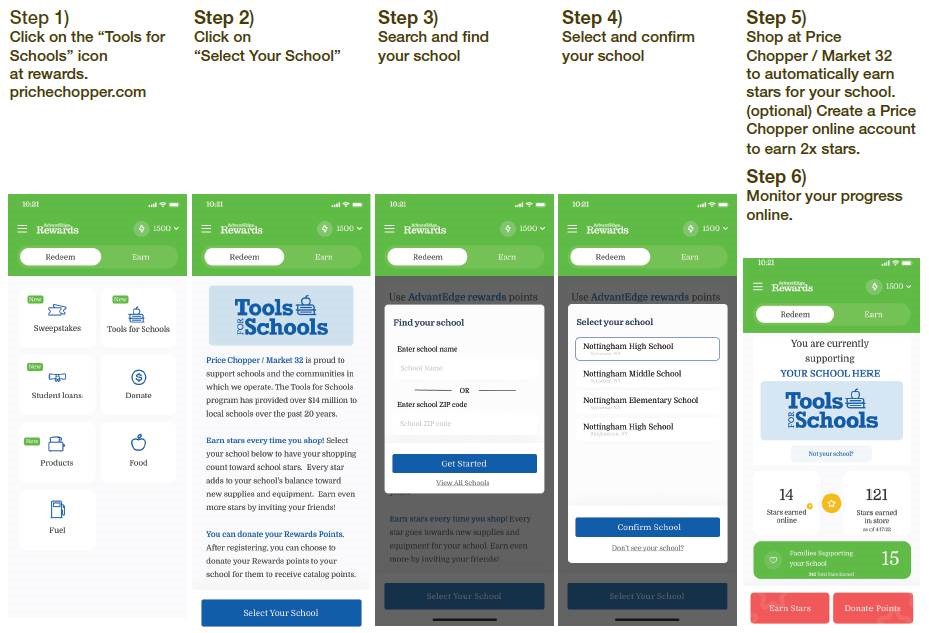
Check it out here!
*If you registered for Tools for School last year, you do not need to do so again for the 2023-2024 program.
Mia Teal
Marketing Coordinator, Paid Media
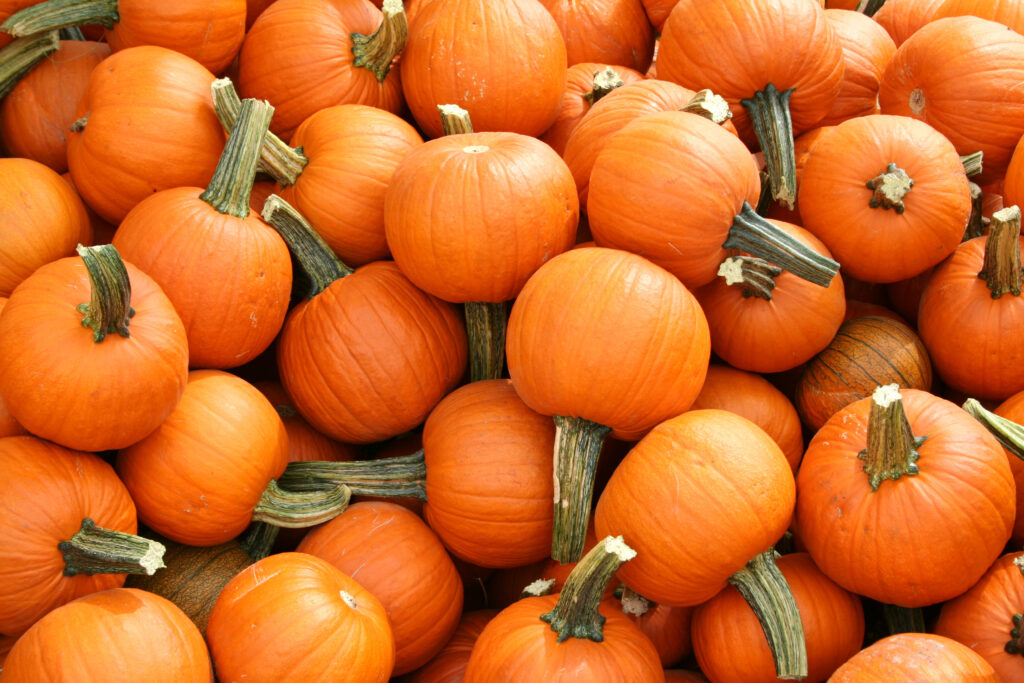
‘Tis the season for pumpkins, and that means it is time to start digging out the recipe books for your fall baking! While Price Chopper and Market 32 offer a variety of pumpkin puree, have you ever contemplated experimenting with a genuine pie pumpkin in your recipes? If this idea has crossed your mind, you might be seeking guidance on the proper approach. Fear not! We have some answers on which pumpkins to choose and proceeding steps.
Sugar Pumpkins:
Choosing the correct pumpkin is crucial. While those massive pumpkins you see outside our stores are perfect for carving scary faces, they are not ideal for baking. These pumpkins have a higher water content and are stringy inside. Sugar pumpkins are your go-to for baking. These pumpkins are much smaller, drier, and a deep orange color. Oh, and most importantly, they are very sweet which make them perfect for baking.
In addition to choosing a sugar pumpkin, you will want to ensure that the stem is very sturdy, intact, and dry. These pumpkins should be stored in a cool, dry place prior to baking. Avoid sugar pumpkins that appear to have rotting stems.
Let’s Bake!
Step 1: Preheat your oven to 400°F.
Step 2: Cut sugar pumpkin in half, scoop out the seeds, and place on a sheet pan with parchment paper or aluminum foil.
Step 3: Allow the pumpkin to bake for approximately 35 – 40 minutes, noticing how the flesh naturally separates from the skin during this process.
Step 4: Once baked, proceed to puree the flesh until it achieves a smooth consistency.
Step 5: To keep the pumpkin puree fresh, store it in the refrigerator.
Super easy, right? Make baking this season a fun, beautiful memory.
Pumpkin Spice Cake with Cream Cheese Frosting: This spice cake is sure to be a hit!
Pumpkin Soup: Where are all the soup lovers out there? Try out this recipe today!
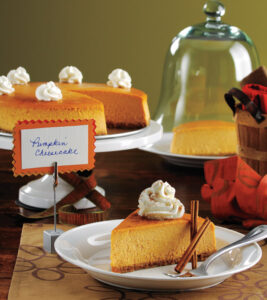
Pumpkin Cheesecake: Thanksgiving just got a whole lot sweeter! Your guests are sure to love this delicious recipe.
Pumpkin Pie Roll-ups: With only seven ingredients, this recipe is easy, delicious, and full of flavor.
Mia Teal
Marketing Cordinator, Paid Media
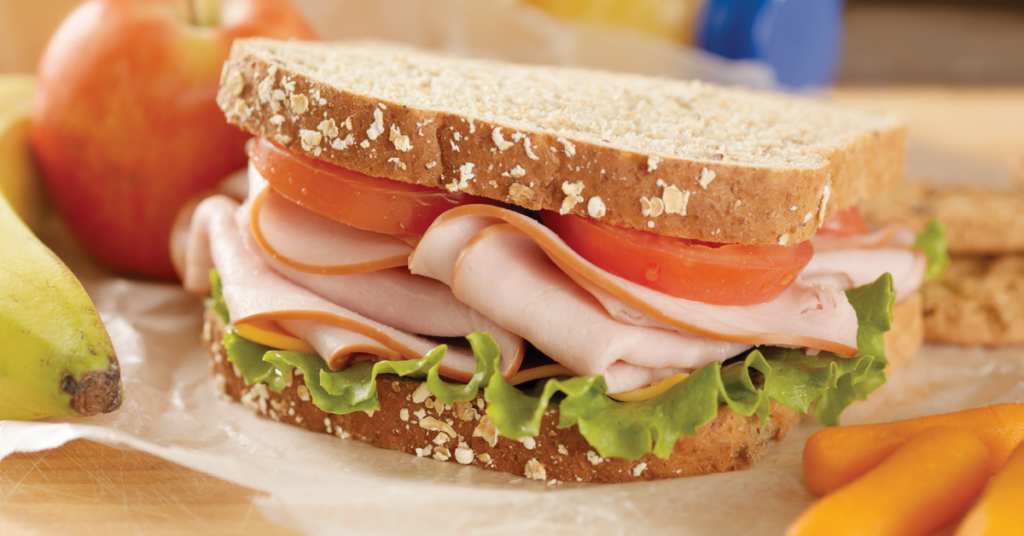
Summer came and went in what seemed like a matter of seconds. The air is slowly starting to get cool, the leaves are turning all different shades of red and orange, and your student is beginning yet another school year. Fear not! Here at Price Chopper and Market 32, we want to make your back-to-school season a smooth transition. We have put together some lunch box essentials as well as some easy lunch recipes that your child will love! Take a look below.
Protein: Protein is essential for growing bodies and minds! Examples include chicken, turkey, eggs, peanut butter, and beans.
Whole Grains: Choose whole grain options like whole wheat bread, crackers, and wraps.
Produce: Eat the rainbow! To make eating fruits and veggies more fun, try having your student pair an apple or banana with peanut butter or carrots with ranch.
Snacks: There are so many options for snacks. Your student may enjoy yogurt, cheese sticks, peanut butter or cheese crackers, nuts, seeds, or granola bars. Additionally, having treats in moderation will also make lunchtime more fun. The possibilities here are endless!
Drinks: Remember to include a bottle of water in your child’s lunchbox to keep them hydrated throughout the day.
A well-prepared lunch box sets the tone for a productive day of learning. By including a variety of nutrient-rich foods, you provide your child with the fuel they need to stay focused and engaged in their studies. Remember, variety is key—mix and match different food groups, flavors, and textures to keep lunchtime exciting and satisfying.
Check out some quick & easy snacks & meals!

Haleigh Eustis
Floral Intern
Flowers are as beautiful to the eye as they are to the soul! Did you know that flowers and plants affect your mental health in numerous positive ways? If you didn’t, that’s okay, that’s why I’m here to explain. There are various ways that flowers aid your mental health, which is in part why we love them so much here at Price Chopper/Market 32. According to Texas A&M University, surrounding yourself with plants, foliage and nature has many benefits that range from stress reduction, increased creativity and even reduction of depression. Though flowers can aid mental health, there are a wide variety of flowers, and it may seem overwhelming to understand certain flowers and their abilities. Here is a breakdown of flowers’ specific roles in impacting mental health:
LAVENDER: This flower is popular for its infamous stress reducing properties! Primarily, we utilize lavender in essential oil and candles. According to the NIH, smelling the floral scent of lavender can reduce stress as the scent relaxes the brain thanks to the Linalool within the plant. Linalool is an aromatic alcohol found in plants that is used in many beauty products. It is a natural therapeutic and can most likely be found in many essential oils. Lavender is suggested for all types of stress, but especially insomnia and post childbirth stress. Smelling this scent before you go to bed, or during a restless night of childcare, has been proven to aid stress reduction and happiness levels over the course of four or five weeks. Click here for all-things lavender!
SUNFLOWER: A fan favorite in August, the sunflower is known to increase a positive outlook as well. Much like mums, these are the perfect flower for happiness due to their bright colors and health properties. Their oils can help reduce stress and, henceforth, put you in a much better mood. Thanks to NIH we understand that along with its stress reducing benefits, sunflower oil consists of an abundance of essential amino acids, vitamin B and minerals. Click here for all-things sunflower seeds!
ROSES: Are you looking to reduce stress, but you don’t like the scent of lavender? Don’t worry, roses serve the same purpose. According to the NIH, inhalation of rose essential oils can be used to reduce stress and act as a natural antidepressant as the flower has a strong floral scent that releases endorphins in our brain that makes us feel relaxed. Along with its stress reducing properties, roses also are used as a natural muscle relaxer as you can use the oil topically. Both lavender and rose can aid in overall stress levels and positive moods. Click here for roses!
While distinct flowers offer particular health benefits, Rutgers University has substantiated that the mere presence of any flowers can promptly enhance positive emotions. Although this insight provides only a glimpse into the world of flowers and their connection to mental health, it’s a wonderful insight into flowers’ benefits and all they provide to us.
Shop all your floral needs at Price Chopper/Market 32 Floral Department!
Little Falls, NY
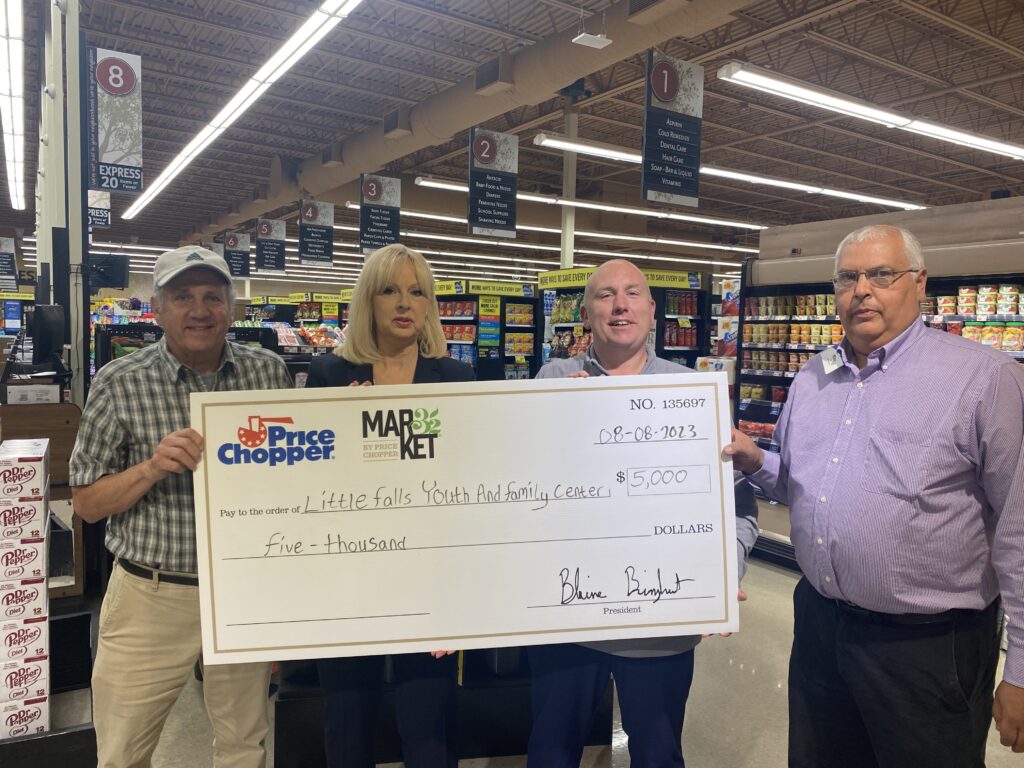
The Little Falls Youth & Family Center, one block north of the Little Falls, NY Price Chopper, provides 80 fitness, educational and community services programs annually to approximately 100,000 residents of Little Falls and surrounding communities. Our store team was excited to present the center with a check for $5,000 in support of updates to its program facility at 15 Jackson St.
Pictured left to right are:
Tony DeLuca, Executive Director
Deborah Kaufman, Campaign Chair Little Falls Youth & Family Center
Bob Kennedy, Zone Director
Mike Natoli, Store Manager
Massena, NY

In 2022 the Norfolk Concert Series in Norwood, NY presented its first season of 10 performances with the overwhelming support of the local community. The small structure where the concerts are held is unprotected from the elements and less than suitable for musicians, with a cracked foundation and no storage area. Our Massena store teammates recently presented the first of 2 checks for $5,000 to Norwood Concert Series president Christine Paige, in support of the Build-a-Bandshell Fund Drive.
Pictured below left to right:
Shannon Russell, store teammate
Christine Paige, Norfolk Concert Series
Robert Butler, store teammate
Brenda Paige, Norfolk Concert Series
Brian McAfee, zone director
Heather Donnelly, store teammate
Melissa Farmer, store teammate
Mickayla Streeter, store teammate
Hopkinton, MA
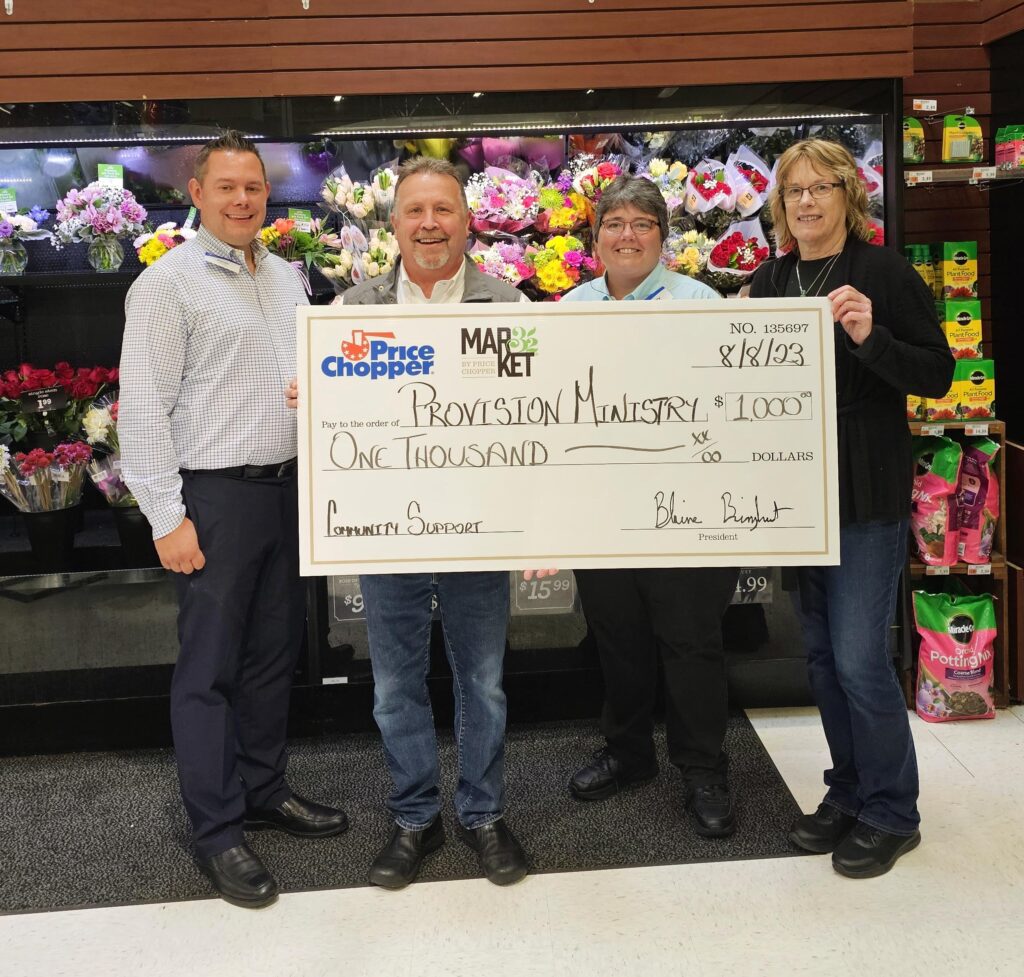
Since its founding in 2017, Provision Ministry has provided food, clothing, footwear, hygiene products, school supplies, and home goods to grass-roots, nonprofit organizations dedicated to helping underserved children and families, veterans, those struggling with addiction, mental illness, food insecurity, as well as the homeless. Our Hopkinton, MA store team proudly presented the ministry with a $1,000 check in support of their mission.
Pictured left to right are:
James Carlson, Zone Director
Tom Slicklen, Founder and CEO Provision Ministry
Terry Broderick, Store Manager
Valerie Powell, Floral Manager
Mia Teal
Marketing Coordinator, Paid Media
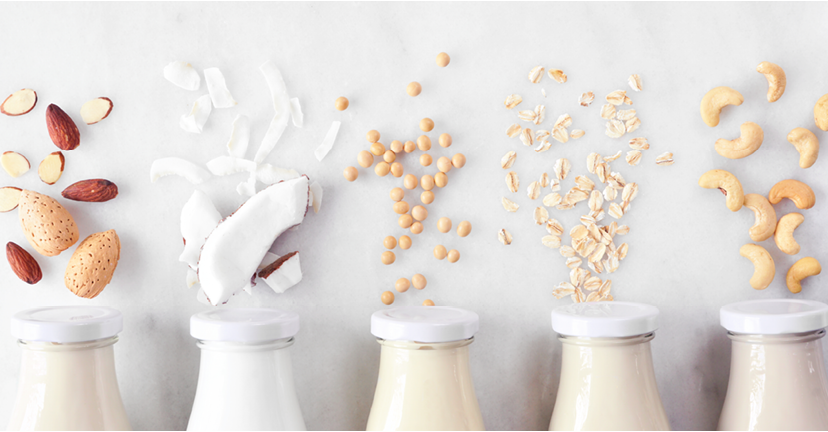
August 22nd is World Plant Milk Day, and we are here to celebrate! There are many different types of plant milk that Price Chopper and Market 32 carry, including almond, cashew, oat, soy, and coconut milk. Additionally, we also carry non-dairy creamers, cheeses, yogurts, and ice creams that are sweet, creamy, and downright delicious! Let’s take a closer look at what is so special about plant-based milks.
You might question the choice of milk substitutes over traditional cow’s milk, but numerous factors contribute to the rise in popularity of plant-based milks. Individuals that have a vegan diet or those with a lactose intolerance find non-dairy alternatives essential. The best part is, there are many different options and flavors out there that will suit anyone’s needs and preferences.
Many people who do not experience a lactose intolerance may still choose plant-based milks for other reasons, including taste and environmental benefits. Plant-based milk could be favored over cow’s milk in preparations like smoothies and other recipes. Additionally, plant-based milk requires less land, less water, and produces fewer carbon emissions.
If you are interested in cooking or baking with a milk alternative, take a look below!
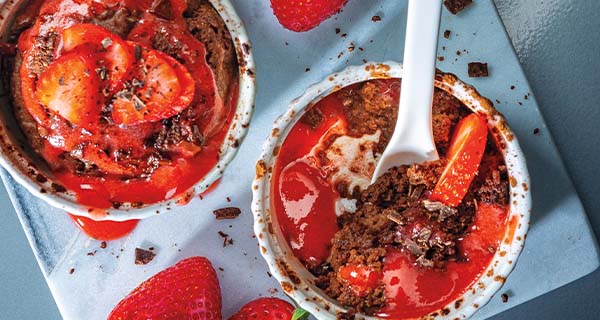
Instant Pot® Chocolate Soufflé Cakes with Strawberry Sauce: This is a delectable dessert that combines the rich and velvety flavors of chocolate with the airy and delicate texture of a soufflé, topped with strawberry sauce.
Stuffed French Toast Rolls: Nothing beats French toast, but stuffed French toast? Now this is a recipe you must try!
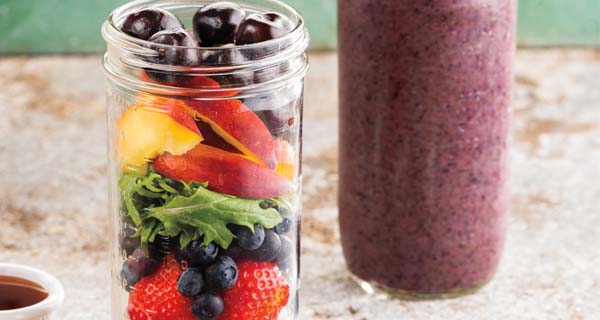
Fruit & Baby Kale Smoothie: This smoothie is a popular choice for those seeking a convenient and delicious way to incorporate more fruits and leafy greens into their diet.
Brownie Batter Dessert Hummus: A recipe so delicious, you’ll question if this is actually brownie batter!
Mia Teal
Marketing Coordinator, Paid Media
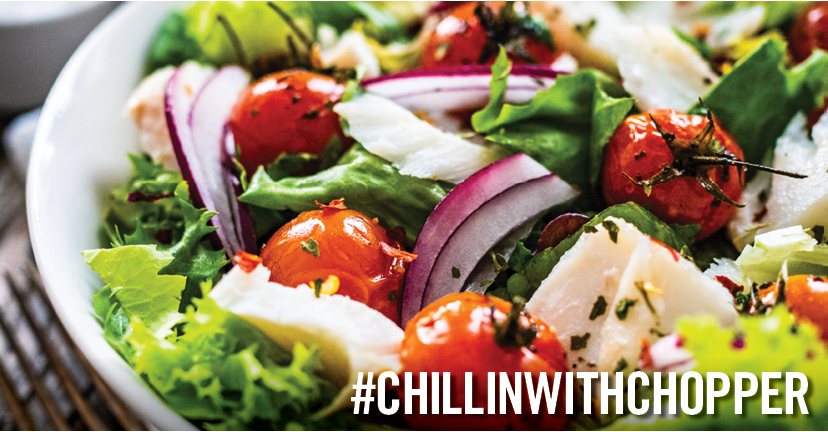
For this week’s #ChillinWithChopper theme, we are exploring the beauty of salad. Salads have truly evolved from simple side dishes to culinary delights. With a blend of fresh ingredients, imaginative combinations, and a dash of creativity, you can transform an ordinary salad to a wonderful, filling meal.
Oftentimes, we may think of salads as being boring, but in reality, there are so many ways we can create a balanced, nourishing dish. What are we waiting for? Let’s build a salad together!
Step 1: Choose your base.
At Price Chopper and Market 32, we have so many options for your leafy greens. Try laying down either romaine, spinach, kale, arugula, or shredded lettuce. Better yet, try combining two or more to see how you like that!
Step 2: Throw in some fruits or veggies.
The options are endless here. Some produce to consider adding in include carrots, tomatoes, peppers, cucumbers, onions, corn, avocado, olives, watermelon, strawberries, blueberries, apples, raspberries, blackberries, grapes, and oranges.
Step 3: Decide on a protein.
To create a filling salad, we need to add in some protein. Options here include chicken, steak, ground turkey, deli meat, shrimp, salmon, hard boiled eggs, tofu, or tempeh.
Step 4: Add in the fun stuff!
Similar to produce, there are so many options for this step. Try adding in cheese, bacon, beans, nuts, seeds, dried fruit, quinoa, rice, pasta, chickpeas, tortilla strips, or croutons.
Step 5: Let’s dress the salad!
Price Chopper and Market 32 have so many salad dressings that you may have a difficult time picking one out! Some to consider include ranch, honey mustard, caesar, blue cheese, Italian, balsamic, raspberry vinaigrette, poppy seed, thousand island, and so much more. Additionally, we sell many varieties of low fat or fat free dressing.
Still need some inspiration? Check out a few salads below!
Rainbow Baby Greens Bowl: The name is fitting for this salad. With a variety of color and a ton of vegetables, this is the perfect summertime salad.
Chicken Tender & Baby Kale Salad: If you have a picky eater in the house, then look no further. With freshly baked chicken tenders, vegetables for color, and bacon ranch dressing, this dish will be a new favorite!
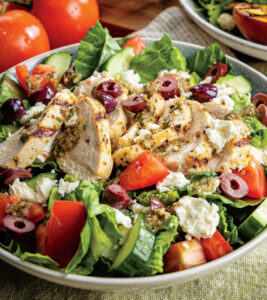
Grilled Lemon-Garlic Chicken Salad: Talk about a filling salad! This one has all the finest ingredients to help fuel you throughout your day.
Ellie Wilson
MS, RDN, CDN
Hydration is always a “hot” topic in the summertime – it is an essential element to staying well and at being at our best, whatever the season. Here are some tips and hacks to ensure you and yours are hydrated and happy!
Why is it essential? Every cell in the body, all our tissues and organs, and most of our functions, like blood pumping, breathing, moving and sweating – all require water. In fact, our body is 50 – 70% water. Water also supports brain function, skin health, and waste removal – all critical body systems are impacted by hydration.
To ensure we can maintain those systems, our body can extract water from many foods – humans get about 20% of their water intake from foods, including produce, proteins, and dairy. See the chart below for some high-water content produce – all of their energy and antioxidant benefits and water to support absorption – win win!
Each age and stage of life has a recommended range for the types and quantities of beverages that can support healthy hydration. You can find information about children’s needs here: Choose Water for Healthy Hydration – HealthyChildren.org. Keeping water handy and encouraging them to sip frequently will help them stay hydrated and build a good habit for health. Older adults may be at risk for dehydration and not realize it – lower activity or reduced awareness of thirst can set up a domino effect that can impact balance, memory, and chronic health issues. Learn about the signs, symptoms, and treatments for dehydration at the National Library of Medicine resource page: https://medlineplus.gov/dehydration.html.
Enjoy more of these great produce picks as part of your hydration plan – many are in season right now!
High Water Content Fruits
Watermelon and strawberries contain about 92 percent water per volume. Other fruits with high water content include grapefruit with 91 percent, cantaloupe with 90 percent and peaches with 88 percent water. Fruits containing 87 percent water by weight include pineapple, cranberries, orange and raspberries. Apricots hold 86 percent water, while blueberries and plums contain 85 percent water. The water content for apples and pears is 84 percent. Cherries and grapes contain an average of 81 percent water.
High Water Content Vegetables
On top of the vegetables list are cucumber and lettuce, consisting of 96 percent water. Zucchini, radish and celery are comprised of 95 percent water. Ninety-four percent of tomato’s weight is water, and green cabbage is 93 percent water. Vegetables that contain 92 percent water include cauliflower, eggplant, red cabbage, peppers and spinach. Broccoli is 91 percent water by weight. Additional healthy hydrating foods include carrots with 87 percent water and green peas and white potatoes with 79 percent water.