


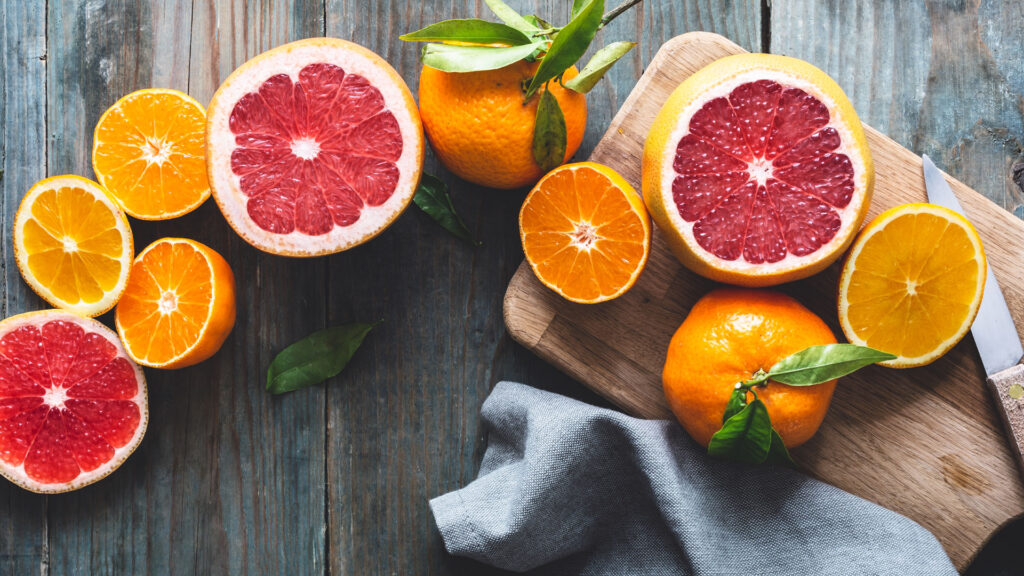
Citrus Celebration!
Mouthwatering, aromatic, energizing – Citrus is the genus name for the many varieties of delicious fruit we enjoy all year, and have in abundance when most are in season over the winter in North America.
The orange, perhaps the most well-known citrus fruit to Americans, is an ancient hybrid, a cross between a pomelo and a mandarin, thought to have originated in the region now known as Southern China and Northern India. The first mention of the sweet orange was in Chinese literature in 314 B.C.!
The fruit, juice and peel of the sweet orange are all flavor and benefit components of this citrus superstar – over 70% of citrus farming is for sweet oranges, per 2012 data. In 2017, 73 million tons of oranges were grown worldwide. Sweet oranges, including the Hamlin (juice oranges) and navel (easy-peel) oranges are grown in the USA in Florida and California.
The Citrus family includes oranges, Cara Cara oranges, blood oranges, lemons, Meyer lemons, limes, Key limes, mandarins, pomelos, tangerines, and tangelos – a beautiful, delicious and colorful family of fruits that bring aromatic flavor, color and texture to all types of meals and snacks. All are good sources of Vitamin C, essential to immunity and skin health. They also contain phytochemicals like polyphenols, terpenes and tannins – those active compounds have both health and flavor benefits, and research is ongoing to understand their full benefits.
The acidity of citrus fruits is the secret to their charm – the different levels of acidity bring flavor and balance to foods and recipes, and can create texture and tenderness. In order, from highest to lowest acid content, are lemons, limes, grapefruit and oranges. We will be sharing more blogs, culinary tips, science and health, recipes and more during this peak citrus season as it rolls out from January to April. Single and bagged displays and great values will help you energize your cart and your plate with fresh, delicious citrus fruits all season!
Kick off with this Citrus Glazed Fruit Salad recipe – squeezed fresh orange juice amps up the flavor, and you can mix in orange, mandarin and grapefruit segments anytime!
This Citrus Basil Spritzer is a sweet and herbaceous take on agua fresca sparkles with fresh flavors!
Pretty and delicious – this yummy Spinach Pomegranate Orange Salad with Quick Pickled Red Onions winter salad includes in-season oranges and pomegranates! Some fresh Pulled Roasters Rotisserie Chicken from the Food Service case makes it a meal!
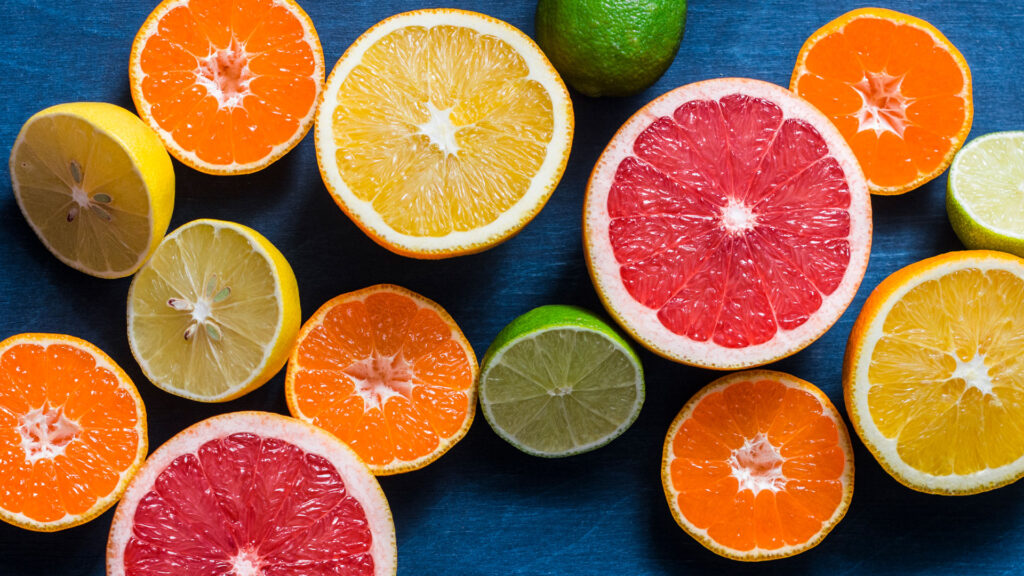
8 Ways to Love A Bag of Oranges (or Citrus)
Ellie Wilson
MS, RDN Manager, Lifestyle and Wellness
The cheery view of a bowl of fruit on your counter in the winter is also a good way to remind yourself (and your family) to eat more every day! Americans have plenty of room to enjoy more fruit as part of their healthy habits – here are some fresh ideas for enjoying a bag of oranges (and other bagged fresh citrus options) that will color your plate with great!
- Sweet and Simple – Peel a fresh navel orange and indulge in the fresh, juicy goodness! You can also slice them into wedges and share, a good idea for smaller children. Surprise them with the aromatic, juicy Cara Cara orange, with its spectacular rosy color! There may be a few seeds, so check before sharing!
- Slice any citrus fruit into rounds, and place on parchment paper on a sheet pan. Freeze, and then bag for use in water or as fun garnish for beverages, desserts, seafood – your call!
- If you are juicing an orange, or any other citrus, roll it first to max extracting juice from the pulp – the little juice vesicles in the fruit segments. That will ensure you get as much juice as possible. Then, toss the spent halves into a bag in the freezer, to use for zest and a few other ways we will share – keep reading! Check out the kitchen section in stores for great citrus press to make it easy!
- Segment an orange, mandarin, minneola tangelo, grapefruit or pomelo, and add to any fresh salad. Oranges, mandarins and tangelos pair beautifully with peppery arugula (rocket) greens and vibrant radicchio. Fresh baby spinach is mild and pairs with all citrus. Grapefruit and pomelos like sweet, buttery lettuces, with a sweet dressing, like a light raspberry vinaigrette. Check out your favorite fresh salad kit – add mandarin segments to chipotle cheddar, orange segments to honey pecan, and grapefruit to enhance poppyseed. A squeeze of fresh lemon on a bagged Caesar salad brings some added zing to that savory staple!
- Sweet salvage – Those leftover peels and halves are good for some, such as dried for potpourri (easy to drop into a small crockpot with a cinnamon stick!), or zested into sugar or salt and used for seasoning. For those who prep early – there is just enough acid in the spent citrus halves/peels to minimize browning in cut apple or potato – just drop one of the frozen halves in the water before you cook/serve them.
- Citrus serves up flavor, color and energy in spritzers, smoothies and spirits. Cocktail and mocktail drinks with lime, lemon and orange are plentiful, with quite a few on the recipes link at Pricechopper.com. Don’t forget the grapefruit – brighten up your day when you slice them up and garnish grapefruit drinks, sparkling waters, and grown-up only shandies and hard seltzers.
- Sassy salsas – Chopped orange, grapefruit, or mandarin, with some chopped onion, garlic and herbs (rosemary, parsley, cilantro, basil all work) and zest from the fruit make a super salsa topper for chicken, turkey, pork or seafood.
- Clean up time – If you are exploring cleaning with white vinegar, consider dropping a few solid peel slices into the vinegar first – they should infuse for about a week. The peel will release its acid and aroma into the vinegar, adding a little cleaning energy and fresh scent to the spray. A 50/50 mix of infused vinegar and water in a spray bottle will arm you with a fresh way to clean up!

Winner, Winner, Market 32 Free From Chicken DInner
Ellie Wilson
MS, RDN
Chicken is definitely a winner when it comes to making a delicious dinner! Or lunch, or snack – versatile and available in so many easy-to-cook cuts, you can make tried and true family favorites, explore global cuisines, or just stick to quick and easy when Market 32 FREE FROM Chicken is on your list.
Market 32 FREE FROM Chicken has all of the flavor and quality shoppers are looking for – carefully sourced by the Market 32 FREE FROM Team from the first family farming operation in the world to earn the American Humane Certified ™ verification, they live in open houses, allowing them the ability to live a stress free life without the threat of predators, exposure to diseases from migratory birds or harm from the elements which would all impact flock health. They are fed a high quality diet of pesticide-free, American-grown, Non-GMO grains, specifically planned by vets and animal nutritionists, with an unlimited supply of clean water and fresh feed along with plenty of fresh air and room to roam. The farm has been raising chickens for over 50 years – they have learned that ensuring a good environment for the chickens, including water and soil testing, delivers a good quality of life and results in a safe, delicious product. They take even more care with their employees, which they call their best asset, ensuring they have company-provided PPE, regular screenings, work area safety standards, and more. Price Chopper/Market 32 customers can be confident they are bringing a great choice home to their families and friends.
Fresh Market 32 FREE FROM Chicken is an excellent source of protein and is also a lean choice when choosing skinless chicken tenders, thin-sliced cutlets or skinless chicken breasts. Market 32 FREE FROM Chicken is available in a range of cuts and package sizes, and lends itself to any number of recipes and serving ideas. Casseroles, soups, salads, sheet pan and skillet meals are all on the menu.

There has been a lot more cooking going on at home over the last six months or so, and we are hearing from customers that they are looking for some inspiration to get past cooking fatigue. We can help! Combine Market 32 FREE FROM Chicken with a delicious Culinary Tours item like Szechuan Style Peanut Sauce, or season with PICS Everything Spice Blend for a quick and easy meal. Check out the recipes below from our website and YouTube channels – you are sure to find some new favorites, and more than one way to win the dinner dilemma!
Honey Garlic Skillet Chicken | White Chicken Chili | Buffalo Chicken Salad | Salsa Verde Chicken Tacos

Kodiak Cakes - Energize a Protein and Whole Grain Habit!
Ellie Wilson
MS RDN Manager, Health and Wellness
New Year’s resolutions to embrace healthier habits inspire shoppers to look for new products and ideas. So many are working and managing school from home these days, I love finding solutions that connect the dots including easy-to-make, kid-friendly, travel-friendly, versatile and nutritious. The Kodiak Cakes products are delicious solutions with unique benefits to explore.
Power Cakes
The signature flapjack and waffle mixes, in Buttermilk and Honey or Dark Chocolate flavors, are a great starting place. Just add water, and these mixes will kick the day off with over 5 grams of protein per serving, (up to 14 gms in the Dark Chocolate mix!), 100% whole grains, and a good source of fiber to stay full and focused on the morning to-do list. Make extra and freeze them – they make a great lunch, snack or “breakfast-for-dinner” treat. These mixes can also be used for muffins, even batter for chicken nuggets or veggies (did someone say air fryer?). Bonus – both mixes earn the Know Your Colors nutrition guide tags for Protein Smart and Whole Grain!
Frozen Waffles and Flapjacks
The same whole grain goodness and even more convenience when you add these to the basket! Flavors adults and children love, and something older children/teens can make themselves, so super for beyond breakfast snack attacks! All three flavors – Buttermilk Vanilla, Dark Chocolate, and Blueberry Chia make the grade for Know Your Colors Whole Grain and Protein Smart.
Baking Mixes
You know you have a hit when your 17-year-old decides to make the protein-packed cornbread into muffins he can take to school! With 10 gms of protein per prepared serving, as well as 3 gms fiber and less than 10 grams of sugar, this item hits the mark and aligns with several of the healthier eating recommendations reinforced last week with the release of the new Dietary Guidelines for Americans – increase whole grain intake, increase fiber intake, and limit added sugars. Check out the whole line – the brownie and blueberry mixes are also made with whole grains, check the labels for more nutrition information and some great recipe variations on the side of the box.
Oatmeal Cups
Another hit with all age groups – these power 100% whole grain breakfast cups are easy and delicious, with flavors like Maple Brown Sugar – just add water (or milk, for a little extra nutrient boost) and cook in the microwave while coffee is brewing, they are also great for tweens and teens starting to cook, (placed strategically at the front of the pantry to inspire better after-school snacking on a cold day), and are a smart item to keep handy in a desk drawer at work for a power lunch. Bonus – they earn the Know Your Colors Protein Smart guide!
Granola Bars, Protein Balls and More
Kodiak Cakes is a company on a mission to bring whole grains, protein and flavor together in ways that really work for today’s health-seeking shoppers and families – check out their products throughout the store, for more solutions that will energize your whole grain and protein habits!
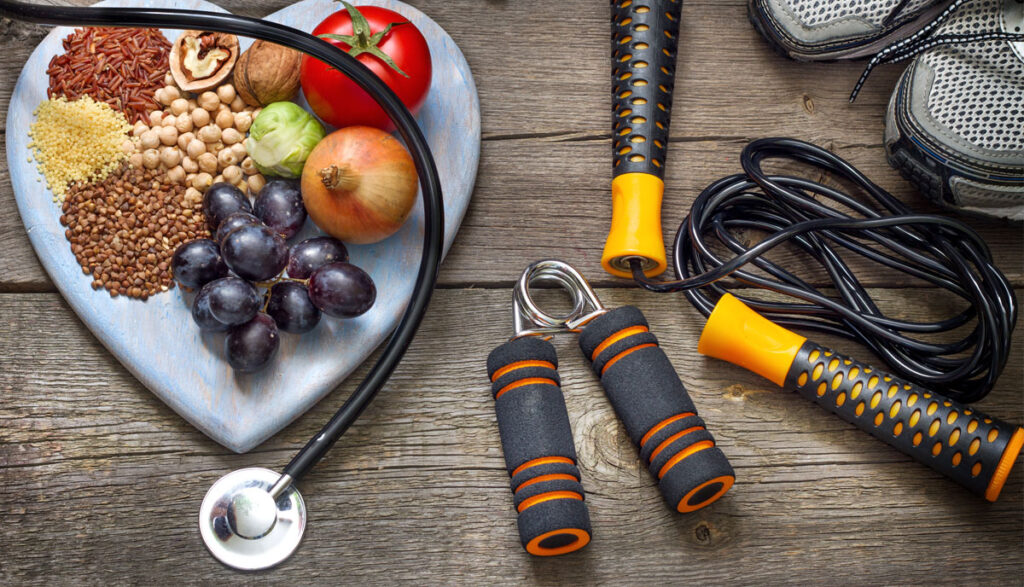
Think Lifestyle, Not Resolution
Antoni Favata
NASM-CPT, CES, CF-L1, FMS, SGX-OS
You hear about it year after year. Creating resolutions to begin a new year with a new you on Jan. 1. For a lot of people these resolutions focus around health and fitness.
However, most people with good intentions who set these realistic goals tend to lose steam and momentum come February.
So, what can we do to ensure our success with these not so lofty goals?
Here are a few tips to keep you on track and on target so you hit your mark and maintain your achievements for years to come.
- Think Lifestyle, Not Resolution
We often think of these resolutions in terms of extremes. Instead, we should think of these choices as a way of life and incorporate small changes every day. Change your mindset from “all or nothing” to “one day at a time.”
- Smaller, Manageable Habits
Small habits are not only more attainable, but easier to manage and maintain. Start with easier changes and build on them as they become regular practice. Smaller habits help you stay more motivated, too! Development and success of these smaller habits creates a growing sense of achievement as you get closer to a larger goal.
- Variety
It’s true, most of us struggle with having a short attention span. And for a lot of people that short attention span affects our fitness routine, which can derail progress. Even the word routine can be daunting for some. Fortunately, these days the Fitness Industry is not short on options. Keep exercise and movement fun by mixing up your routine. Subscribe to something new and exciting. Variety will help keep you on track by providing a new challenge to help keep your mind and body stimulated.
Instead of New Year’s resolutions set intentions instead, focusing on manageable lifestyle changes that will set you on a path to success.
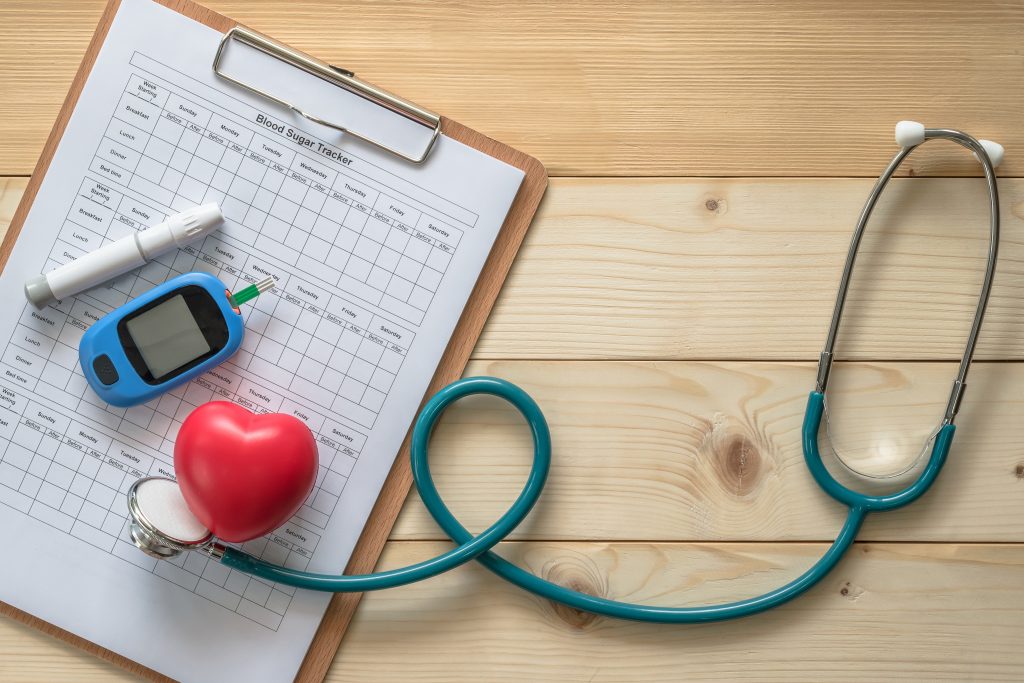
Injection Perfection: Insulin 101
Emma Keating
Pharmacy Intern
Insulin is the hormone that your pancreas makes in order to help your body use the glucose (sugar) you ingest for energy. Without insulin, your body’s blood sugar levels can get too high and can lead to long term complications over time. In diabetic patients, insulin injections may be prescribed by your doctor as a part of an individualized treatment plan. While it sounds simple enough there are a lot of things come with insulin injections, so welcome to Insulin 101!
Self-Monitoring 1,2
When taking insulin, it is very important to check your blood sugar regularly as directed by your doctor. While having high blood sugar the problem we are trying to treat, injecting too much insulin can make your blood sugar too low. Low blood sugar, or hypoglycemia, can actually cause its own set of issues indicated by shaking, anxiety/confusion, sweating and chills, along with feeling dizzy. Usually, you will check your blood sugar before your first meal of the day. This is called a “fasting blood sugar” and the average goal is <100 mg/dL but can vary. Your blood sugar goal and the number of times you need to check it may change, so it’s very important to talk to your healthcare provider regularly!
Types of Insulin 3
There are several types of insulin based on how long it will work in your body or how quick it starts to work in your body. When you are first starting, it may take some time along with trial and error to find the dose that works for you.
- Ultra-Rapid Acting – begins to work within 12-20 minutes and lasts 1-3 hours4
- Insulin lispro-aabc (Lyumjev)
- Rapid Acting – begins to work 15-30 minutes after injection and lasts 2-4 hours
- Insulin lispro (Admelog, Humalog)
- Insulin aspart (Fiasp, Novolog)
- Insulin glulisine (Apidra)
- Short Acting – begins to work 30 minutes after injection and lasts 3-6 hours
- Regular insulin (Humulin R, Novolin R)
- Intermediate Acting – begins to work 2-4 hours after injection and lasts 12-18 hours
- Insulin NPH (Humulin N)
- Long Acting – takes several hours to start working, but lasts about 24 hours
- Insulin glargine (Basaglar, Lantus, Semglee)
- Insulin detemir (Levemir)
- Insulin degludec (Tresiba)
- Very Long Acting – starts working in 6 hours, lasts about 36 hours
- Insulin glargine, 300u/mL (Toujeo)
Injection Technique 1,2
Needle and Syringe – Using a needle and syringe means that you will have to draw up insulin from the vial. It is important to know your dose and how much you need prior to drawing up the medication. Afterwards, the insulin is injected under the skin (subcutaneously).
- Wash your hands prior to injecting medication.
- Choose the site to inject: back of the arms, the belly (except for 2 inches around the navel), front and outer side of the thighs, upper hip and upper outer area of the buttocks. Clean the area with an alcohol wipe.
- Pinch up a fold of the skin and quickly inject at a 90 degree angle (unless otherwise directed). Continue to pinch the skin and push the plunger down to inject the insulin. Do not inject medication through clothing.
- Hold in place for 5-10 seconds.
- Release the skin fold and remove the needle from the skin. If you can see insulin (clear fluid) or blood leaking from the injection site then press on the area for several seconds.
Pen Injectors – generally, insulin pens are easier to use as well as easier to bring places if you are on the go! The pen has a container that stores the insulin within it and a dial to preset the exact amount of insulin that you need. You will have to attach a new needle each time and it is very important to never share a pen or needle. The injection is given subcutaneously, using a similar technique to a regular syringe and needle. Instead of pushing down the plunger of the syringe, all you will have to do is push the button on the pen injector. Instructions for use can vary depending on the type of pen, so it is important to talk to your doctor, nurse or pharmacist about proper technique!
Storage 3
Keep your insulin in the fridge until you open it. Unopened vials and pens are good until the expiration date on the device. Once you open a vial or use a pen, keep them at room temperature in a safe, dry place. Avoid extreme temperatures – never store your insulin in the freezer, direct sunlight or in the car. Opened vials expire 1 month after they are opened. Usually pens expire 1 month after they are used, but this date can vary based on the type of device you have so be sure to read the label!
Tips & Tricks 1,2,3
Keep a notebook with all of your medicines and doses, including over the counter items, vitamins and supplements. Also keep track of your blood sugar readings and the amount of insulin you are injecting each day.
Having all of your medications sent to one pharmacy helps cut down on the risk for drug interactions or duplicate medications. This makes it easier for your pharmacist to ensure your medication safety!
It is very important to follow your insulin regimen as directed by your doctor and to not miss any insulin doses. Follow up with your healthcare provider if you have any questions or concerns regarding your treatment plan. Remember, be disciplined with your insulin!
SOURCES
- Weinstock RS, Nathan DM, Mulder JE. Patient Education: Type 1 Diabetes: Insulin Treatment Beyond the Basics [Internet]. 2020 [cited 2020 Aug 27]. Available from: https://www.uptodate.com/contents/type-1-diabetes-insulin-treatment-beyond-the-basics/print
- Wexler DJ, Nathan DM, Mulder JE. Patient Education: Type 2 Diabetes: Insulin Treatment Beyond the Basics [Internet]. 2020 [cited 2020 Aug 27]. Available from: https://www.uptodate.com/contents/type-2-diabetes-insulin-treatment-beyond-the-basics
- Medication Management: Insulin Basics [Internet]. 2020 [cited 2020 Aug 27]. Available from: https://www.diabetes.org/diabetes/medication-management/insulin-other-injectables/insulin-basics
- Introducing Lyumjev [Internet]. 2020 [cited 2020 Sept 1]. Available from: https://www.lyumjev.com/hcp/formulation

So I Have Diabetes... What Now?
Emma Keating
Pharmacy Intern
1.5 million Americans are newly diagnosed with diabetes every year.1 Diabetes is a disorder that disrupts the way your body processes and uses sugar. Insulin is the most important part of regulating your body’s blood sugar – when you intake sugar (or glucose), the pancreas releases insulin in order to move sugar out of the blood and use it for energy in the cells. There are two types of diabetes: type 1 and type 2. In Type 1, the body doesn’t make enough insulin by itself. In Type 2, the body makes insulin but doesn’t react to it the way it should. Either way, a new diagnosis of diabetes can be difficult and intimidating and you may be asking yourself “What now?”
While there is no cure for diabetes, there are several ways that you can control your condition:
Balanced Meals 2,5
While changing your eating habits may be daunting, nutrition is a powerful tool in the management of diabetes. The same nutritional action plan won’t work for everyone – but there are a few general rules that you can start with. Low carb, vegetarian and Mediterranean meal plans have been shown to lower blood pressure, encourage weight loss and lower A1C (a test that measures your average blood sugar). Choose whole and unprocessed foods over processed foods and limit foods with added sugars or refined grain. Eat fresh, frozen or canned non starchy vegetables such as corn, beans, beets, brussels sprouts, broccoli, cauliflower, mushrooms, kale, salad greens, peppers, and tomatoes. Stay hydrated and try drink water instead of sugary drinks such as soda. Know that just because you are changing your eating habits does not mean you won’t have any choices! There isn’t a “magic” regimen that will work for everyone, so find what works best for you to help manage your blood sugar levels.
Active Lifestyle 3,5
Exercising and being active can actually make your body’s cells more responsive to insulin. Making an exercise plan can be frustrating, but the most difficult part about getting into an exercise routine is starting! It does not matter what your baseline is – as long as you start, you are miles ahead of where you were. Start slowly with lighter activities such as walking and set goals for yourself to build along the way.
Staying motivated to keep moving can also be a challenge, but having a long lasting healthy habit is the best way to gain back some control over your diabetes. Having a friend or group to exercise with can be a huge inspiration – they keep you accountable and vice versa. Don’t be afraid to add some variety into your exercise routine, this can help you work more muscles and add a change of pace.
Medications 4,5
There are many types of medication available to help you manage your diabetes! Like changing your diet, there isn’t a “magic” medication regimen that will work for everyone – diabetes treatment is individualized and sometimes it takes a few trials to find what works best for you. Generally, your medication depends on what type of diabetes you have. Some treatment plans include oral medications while others are injectable. For type 2 diabetes, many doctors start by initially prescribing a medication called metformin and then reassessing your blood sugar levels after 2-3 months to see if you would benefit from a higher dose or another medication. For type 1 diabetes, treatment typically starts with insulin right away instead of other types of oral or injectable medication. Self monitoring of your blood sugar may be suggested by your doctor. Be sure to work closely with your doctor and your pharmacist to make sure you are getting the most from your medications!
Some of the medications that your doctor might prescribe may include:
- Metformin – this medication is generally the first treatment option and is prescribed to most people who are newly diagnosed with type 2 diabetes to reduce high blood sugar levels. This is an oral medication that makes your body more responsive to insulin and can be taken once or twice daily.
- Common side effects can include nausea, diarrhea and gas but this can be reduced by taking metformin with food.
- People with serious kidney, liver or heart disease or those that have high alcohol intake should not take metformin.
- Sulfonylureas (glipizide, glyburide, glimepiride) – these medications are some of the first that were developed to treat diabetes! They are the most inexpensive medication for diabetes. They increase the amount of insulin your body makes and work really well at first, but the effects gradually fade.
- These medications can cause low blood sugar or “hypoglycemia” which can present as sweating, shaking, or feeling anxious / confused. If this occurs, quickly eat 10-15 grams of glucose (can be a glucose tablet, or something you have on hand such as fruit juice)
- People with kidney failure should not take these medications.
- DPP-4 Inhibitors (Januvia, Tradjenta, Nesina, Onglyza) – these medications increase the insulin release from the pancreas after a meal. They will help lower A1c, but tend to lower it less than other medications. Usually these medications are taken orally once daily.
- Common side effects can vary depending on the medication, but can include headache and low blood sugar, especially if you are taking it in combination with another medication.
- SGLT2 inhibitors (Invokana, Jardiance and Farxiga) – these medications lower your blood sugar by increasing the amount of sugar your body excretes in the urine. They are typically taken orally once a day. Jardiance and Invokana have been shown to have some benefit in patients with heart or kidney disease.
- Common side effects include urinary tract infections and dehydration.
- GLP-1 Receptor Agonists (Byettam Bydureon, Victoza, Trulicity, Ozempic) – these are injectable medications that increase insulin release after a meal and have a lower risk for low blood sugar. The dosing schedule varies depending on the medication, some are injected weekly while others are daily. They can also assist with weight loss as they tend to make people have the sense of feeling full after eating less.
- Common side effects include nausea, vomiting and diarrhea but tend to improve over time
- Insulin (Novolog, Humalog, Lantus, Basaglar, etc…) – injectable insulin can be added to oral medications or used by itself. When using insulin, it is very important to self-monitor your blood sugar to make sure you don’t inject more than what your body needs as this could cause low blood sugar. Insulin may need to be injected several times daily depending on your blood sugar the type of insulin your doctor prescribes.
Living with diabetes can be very stressful but by keeping up with your medications and developing healthy eating and exercising habits it can be managed. If you have questions or concerns about your treatment plan, don’t be afraid to reach out to your healthcare provider or your local pharmacist at Price Chopper/Market 32!
SOURCES
- American Diabetes Association: Newly Diagnosed [Internet]. 2020 [cited 2020 Aug 27]. Available from: https://www.diabetes.org/diabetes/newly-diagnosed
- American Diabetes Association: Nutrition [Internet]. 2020 [cited 2020 Aug 27]. Available from: https://www.diabetes.org/nutrition
- American Diabetes Association: Get Fit and Stay Fit [Internet]. 2020 [cited 2020 Aug 27]. Available from: https://www.diabetes.org/fitness/get-and-stay-fit
- Wexler DJ, Nathan DM, Mulder JE. Patient Education: Type 2 Diabetes: Overview Beyond the Basics [Internet]. 2020 [cited 2020 Aug 27]. Available from: https://www.uptodate.com/contents/type-2-diabetes-overview-beyond-the-basics?topicRef=1737&source=see_link
- Wexler DJ, Nathan DM, Mulder JE. Patient Education: Type 2 Diabetes: Treatment Beyond the Basics [Internet]. 2020 [cited 2020 Aug 27]. Available from: https://www.uptodate.com/contents/type-2-diabetes-treatment-beyond-the-basics

Checking Out - Cracker Barrel Sliced Cheeses
Ellie Wilson
MS, RDN Senior Nutrionist
Cheese please! Cracker Barrel cheeses have been pleasing Americans for generations. The brand was launched in 1954 by Kraft, a heritage brand itself in cheese, as a premium product named for the tradition of socializing around the cracker barrel, an icon of small general stores. Friends and neighbors would gather around the cracker barrel, and spend time connecting, sharing and creating stronger communities.
The sliced cheeses of the Cracker Barrel line, found in the dairy aisle, bring favorite flavors to the table, with Extra Sharp Wisconsin Yellow Cheddar, Heartland Swiss, Wisconsin Mozzarella, Vermont Sharp White Cheddar tapping into dairy traditions from around the U.S. Consistently rich in flavor, the award-winning cheeses are made with proprietary heritage starter cultures that have been part of the Cracker Barrel tradition for over 50 years. The signature black packaging is easy to open and zips closed to maintain freshness. These packages are also very portable, great for day trips and picnics, when you want to grab and go.
Cheese and dairy are getting fresh research on benefits – the matrix of nutrients in dairy includes being a good source of calcium and protein, and using sliced cheeses helps those working on managing calories and serving sizes. Sliced cheeses are a convenient and quick way to top dishes with flavor as they finish cooking, add a creamy layer of flavor in a casserole or sandwich, or power up a quick snack of cheese and (of course) crackers!
With shoppers looking for ways to eat something interesting, and reduce food waste, exploring ways to update leftovers with cheese is a win-win. Leftover grilled chicken? Add some pasta sauce and a slice of Wisconsin Mozzarella for a quick new meal. Leftover veggies? Top with a slice of Extra Sharp Wisconsin Cheddar for a quick flavor boost. Powering up produce? Pair sliced apples and Vermont White Cheddar for a sweet and savory snack! Enjoy!
Checking Out - Creative Roots Coconut Beverages
Ellie Wilson
MS, RDN Senior Nutrionist
It can be challenging to ensure children are drinking enough – they get busy, are easily distracted, and can also be chronically fussy about what they will drink. Busy parents have a lot going on right now, especially concerning in a time when everyone is working harder to choose well and provide choices that support good health habits. Drinking water and staying hydrated is essential, and for families on the go, there is a new option on the shelves to explore and enjoy.
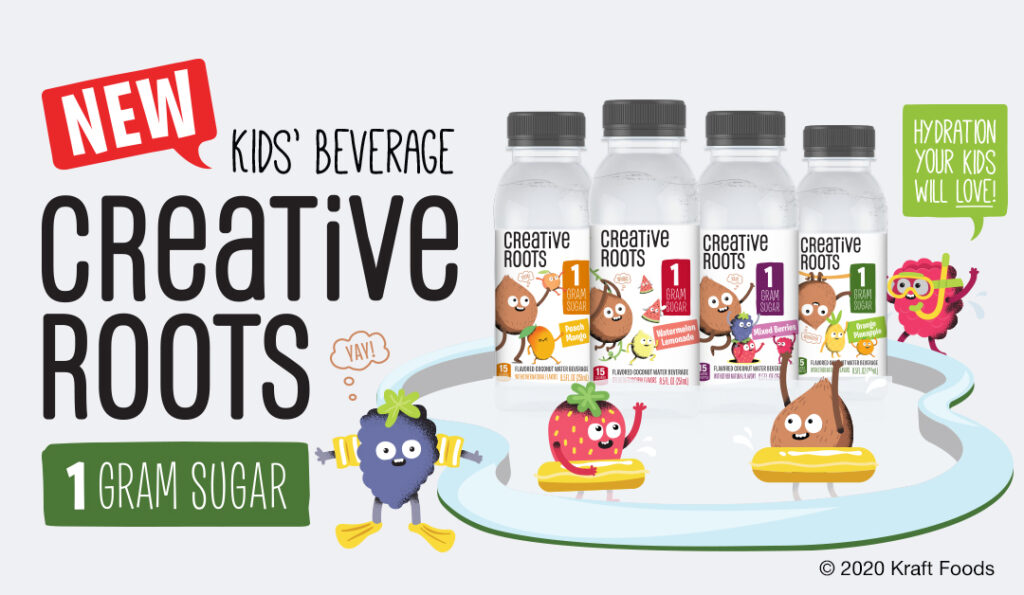
The Creative Roots Coconut Water plant-based beverage line starts with coconut water, and is then flavor enhanced with 15 % juice and natural sweetener stevia. Simple ingredient lists and exciting flavors, like Watermelon Lemonade and Peach Mango may be enough to tickle their taste buds and get them to finish up the right-sized 8.5 oz bottle every time they take one. Younger children may also like the fruity characters, The Sploots, decorating the label and sharing smart hydration messages. They feel good when they are hydrated, and you feel good knowing they are improving hydration without added sugars – one gram of sugar in each bottle.
How does this fit into your busy family routine? The Creative Roots Coconut Waters are perfect for grab and go when you are late for the game, headed out on the summer road trip, or playing in the backyard sandbox. It may be a great addition to a child or teen backpack as a handy hydrator in the middle of the day. More than 50% of children may be under-hydrated per a study published in the American Journal of Public Health ¹ – and with new policies in schools likely limiting access to water fountains, the Creative Roots line may be a good back up plan. Families can be confident in their risk management and supporting positive immune system biochemistry with hydration. Kids and adults love the flavor, and some seniors are packing these for their busy days as well. Explore all four flavors to find your favorites. Enjoy!
What is in Your CANtry? Five Fabulous Recipes Starring PICS Canned Foods!
Ellie Wilson
MS, RDN Senior Nutritionist
Canned foods have flown off the shelves lately as folks prepare to cook more at home over the next few weeks. Canning was a transformative food preservation advance, a process invented in the late 1700s, in response to a call from Napoleon Bonaparte, who was looking for a way to safely store and transport food to feed his army. It was perfected in the early 1800s, with the first commercial canneries starting up in England and America in 1812 and 1813, respectively. Ironically, the can opener was not invented until 1858! Though it was clear heat was key to the process, it was not understood why until Louis Pasteur demonstrated the presence of microorganisms and the temperatures that killed them in the late 1800s. Foods lose nutrients, quality and appeal as time passes, canning was a game changer for home cooks and commercial food service, and remains a great way to create recipes that are delicious and convenient.
The benefits of canned foods are many – fruits and vegetables are usually canned within a few hours of harvesting, capturing their nutrients and flavor right at the peak, and preserving them for a minimum of about two years, sometimes longer. Most canned items are single ingredient, no other additives necessary to maintain flavor, color and texture. Canned foods are budget and time-friendly, prepped and ready to use. Cans are also one of the most recyclable containers – made of 100% recyclable steel, important to sustainability efforts.* Finally, adults and children who regularly eat canned foods have a better intake of fruits, vegetables and fiber than those that do not.
PICS canned fruits, vegetables, tuna, chicken, beans and soups are top quality – you will love exploring the wide variety and flavors. Check these great recipes out – we are powering up the protein and produce content with a focus on canned beans. Beans are a rising star as families become focused on eating more plant-based and plant-forward foods. Let kids add the beans and some of the ingredients while you supervise – they love eating what they help preparing, and it is a positive way to connect them to food skills. Combining beans and other proteins is a budget-smart way to add benefits and a fresh twist to old favorites. Better meals are in the can!
Cowboy Caviar – A versatile recipe that comes together in just a few minutes! Dress it up with chopped mango or canned pineapple, use it as a dip, a side or a salsa on fish or chicken – delish!
For more canned food recipe ideas check out…