


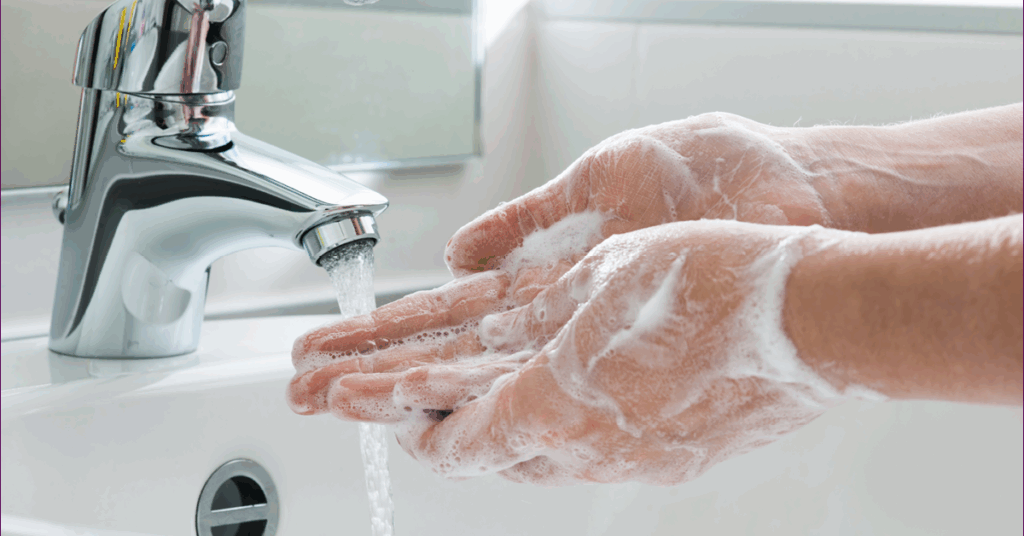
Cold & Flu Season Prevention Awareness
James Delaney
Pharmacy Student, PharmD Candidate 2026
As the weather cools down, cold and flu season arrives—and with it comes an increased risk of illness that can affect work, school, and family life. Prevention is key, and simple steps like regular handwashing, covering coughs, and staying home when sick can go a long way in reducing the spread of germs. Vaccination remains the most effective way to protect against the flu, and our pharmacists are here to make getting your shot easy and accessible.
Our pharmacists also play an important role in helping patients choose the right over-the-counter remedies for symptom relief, while ensuring safe use alongside prescription medications. For those at higher risk—such as older adults, young children, and individuals with chronic conditions—extra precautions like staying up to date on flu, RSV, COVID-19 and pneumonia vaccines are especially important.
By being proactive this season, we can keep ourselves and our communities healthier. A few preventive measures, paired with the guidance of your local pharmacist, can mean fewer sick days and a stronger defense against seasonal illnesses. Together, we can make this cold and flu season one of the healthiest yet.
10 Year Pharmacy Health Blog: Bone & Joint Wellness (Bone & Joint Health National Action Week)
James Delaney
Pharmacy Student, PharmD Candidate 2026
Our bones and joints carry us through every stage of life, yet they’re often taken for granted until problems arise. Bone & Joint Health National Action Week, observed October 12–20, is a reminder to prioritize musculoskeletal health at all ages. Conditions such as arthritis, osteoporosis, and back pain are among the most common health challenges, but with preventive care and lifestyle changes, we can reduce their impact and preserve mobility.
Pharmacists play a key role in supporting bone and joint health. We counsel patients on proper use of prescription medications, vitamin D, and calcium supplements. We also review prescriptions to minimize fall risk, which is especially important for older adults. Beyond medications, we encourage healthy habits such as regular weight-bearing exercise, balanced nutrition, and smoking cessation, all of which support long-term bone strength.
This awareness week is an opportunity to start conversations about joint care and prevention. By taking small steps now—whether it’s improving diet, moving more, or checking in about bone health screenings—patients can maintain independence and quality of life for years to come. Together, we can build stronger foundations for healthier living.

10 Year Pharmacy Series: Family Health and Fitness Day 2025
Helping our shoppers support good health for their families is central to the mission of our company and our Pharmacy teams. Launched in 1996, Family Health and Fitness Day is a national day dedicated to supporting family wellness – getting active, eating well, managing stress and building strong family bonds through positive activities.
Family Meals is a great place to start! September is Family Meals Month, and we have been celebrating all month long! The Family Meals Movement is a national initiative that promotes the many benefits of family meals year-round. Some of those benefits include:
- Better nutrition and healthy weight
- Better grades
- Better social skills and more self-confidence
- Stronger family bonds
- Reduced risky behaviors and more physical activity
All of these are delivered by the power of eating and getting active together! Mental and physical health benefits of being active and eating together as often as possible are well-documented. No need to be fancy or perfect, it could be a pizza night, breakfast for dinner, tailgating at a school activity or a snack in the park – they all count toward that critical together time.
Getting active together may seem harder; keeping it simple will make it more likely to be maintained over time. Play frisbee or catch, walk in the park or around your neighborhood. Make it easy and let kids choose part of the activity, like which way to walk, or what song to choose. Make it a scavenger hunt around the house, with music that can be a little dance party when you’re stuck inside. Whenever possible, leave devices out of the moment, stowed in a backpack or pocket so you can all focus on each other and how good the activity makes you feel.
Our mission is to help you and yours be better together – Happy Family Health and Fitness Day!

10 Year Pharmacy Series: Women’s Health Awareness
James Delaney
Pharmacy Student, PharmD Candidate 2026
Women’s health is about more than just annual check-ups—it’s about building a foundation of wellness that supports every stage of life. National Women’s Health & Fitness Day, celebrated on September 24, is the perfect reminder to prioritize preventive care, healthy habits, and regular screenings. As pharmacists, we see firsthand how small steps toward wellness—whether it’s staying active, eating well, or keeping up with recommended vaccines—make a big difference over time.
One of the most important aspects of women’s health is prevention. Vaccines such as the HPV vaccine, flu shot, and updated COVID-19 boosters help protect against serious illnesses. Routine screenings, like mammograms, cholesterol checks, and blood pressure monitoring, play a key role in catching health issues early when they are most treatable. We encourage women to use this month as a chance to review their health goals and schedule any appointments or preventive services they may have put off.
Our pharmacies can be a convenient place to start. We are here to provide guidance, answer questions, and support your health journey in a welcoming and accessible setting. Whether you’re looking for advice on nutrition, exercise, vaccines, or managing a chronic condition, we are here as part of your healthcare team. Together, we can make women’s health a priority—not just on September 24, but every day of the year.

10 Year Anniversary Pharmacy Series: Get Smart at the Pharmacy – Planning for School Success
As you watch the sales for school supplies, don’t forget to check out your medicine cabinet and ensure you have some supplies on hand for those days that start with a groan instead of a hug. These recommendations are meant for a hopefully quick bout of the “bug du jour”. Keep your family members’ overall health needs in mind and contact their MD if any symptoms are severe.
- Top Priority – If your child or family member requires medication during the school day, be sure to check with your pharmacist and get medications and directions organized before they head out on that first day. This is most important for emergency medications such as Epi-Pens, or chronic medications, like insulin. Knowing about options that are extended release could make a big difference in your child’s day and yours. Having age-appropriate over the counter meds to triage allergies, fevers and sore throats will save a trip when no one feels like going to the store.
- Liquids are Mandatory – and water doesn’t always cut it. Keep some shelf-stable clear liquids in the pantry for those days when sore throats and rumbling tummies are making a tough day tougher. Juices should be clear, low acid and light colored.
- Keep some straws on hand. They triple the volume of liquid when compared with sipping, especially for the lethargic or stubborn patients. Juice boxes with straws, clear Pedialyte-type drinks and ginger ale are easy to stash away for a sick day.
- Another pantry staple, soup, particularly chicken noodle, is “souper-food” for most mild illnesses: warm liquids soothe throats and tummies, replace sodium, and the noodles come in distracting cartoon shapes that many children can recognize and focus on.
- Plain crackers can be stashed next to these supplies– can go with the soup, or be eaten on their own, easy carbohydrates that can break down quickly and get your stomach “started up” again.
- The American Academy of Pediatrics recommends returning to regular foods and drinks as soon as possible. A good start may be (surprise!) chocolate milk. It is a nutrient-rich package of protein, fluid and electrolytes, and regularly used in sports programs to rehydrate.
Wishing all our students a healthy, successful year!

10 Year Anniversary Pharmacy Series: Immunization Awareness/Kickoff
James Delaney
Pharmacy Student, PharmD Candidate 2026
As pharmacists, we are proud to serve as one of the most accessible healthcare providers in our communities. Immunization awareness is one of the most important initiatives we lead each year, and now is the perfect time to kick off the conversation. Vaccines are not just about protecting individuals—they help protect families, friends, and the entire community by preventing the spread of serious illnesses.
This season, we encourage everyone to check their immunization records and make sure they are up to date. Whether it’s your flu shot, the latest COVID-19 vaccination, the newly available RSV vaccine for eligible adults, or the pneumococcal vaccine to protect against serious lung infections, staying current with your vaccinations is one of the simplest and most effective ways to safeguard your health. Many of these vaccines can be administered right in our pharmacies, often without an appointment, making it easier than ever to stay protected.
If you have questions or concerns about vaccines, we welcome the opportunity to talk with you. Our goal is to listen, provide accurate information, and help you feel confident in your healthcare choices. By working together, we can make a meaningful impact this immunization season and support a healthier, safer community for all.
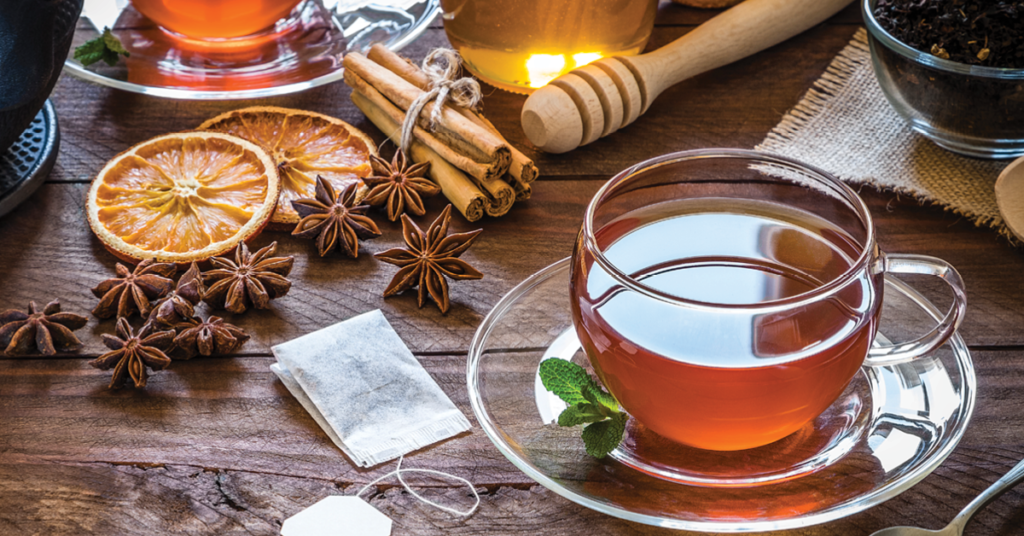
Tea Up for Well-Being
Ellie Wilson
MS, RDN
As the evenings turn cooler, our beverage choices also shift to warmer temperatures and more comfort and health-oriented drinks. Tea is the most popular beverage in the world, second only to water, and has a range of flavors, benefits, and culinary applications.
Tea has a simple recipe – water and some form of the leaves of the Camelia Sinensis bush, it is most often made with hot or warm water, but can be made with cool water, such as “sun tea”. That simplicity earns it a spot on the list of whole foods, or more accurately, whole food-derived drinks. Interesting to note that America is the primary country where tea is enjoyed cold – the demand for functional beverages that are portable and personal has created a unique opportunity for tea as a grab-and-go beverage. Approximately 75 – 80% of tea consumed in America is iced. ¹
The first written records of tea as a medicinal beverage were found in China, around the 3rd century A.D. Modern research has been able to identify specific compounds that may have health benefits, including polyphenols such as flavonoids, theaflavins and catechins, all antioxidants. Observation studies connect 2 -3 cups of tea per day to reduced risk of premature death, heart disease, stroke and type 2 diabetes. More research must be done to define intake and specific health impact, but tea has a place on the table for traditional teetotalers and health seekers alike.
Generally, caffeine content of a cup of tea is 50 mg or less, half the content of an 8 oz cup of coffee. ² Time brewing and form of tea also impact caffeine content. Tea assists with hydration, and contains the amino acid theanine, which research hints supports brain health. This makes it a perfect beverage for that afternoon energy-seeker, busy parents recharging between work and evening family activities, or an end-of-day stress soother.
Tea is also riding the innovation wave as more functional beverages that include nootropics, ingredients that enhance energy, focus, and relaxation, or added vitamins and minerals. Culinary innovations include using flavored teas (such as green tea with lemon) as a poaching liquid for seafood or chicken, or macha (green) tea powder as an ingredient in baked or dessert items. Tea is even in barbeque sauce!
I had the opportunity to see a tea plantation and enjoy a tea ceremony in Japan. The evergreen shrubs were beautiful and carefully tended. Tea grows at higher elevations in many Asian countries – it was a beautiful landscape and is where I was first introduced to green tea.
Tea flavors are shaped by the terroir or soil/climate/altitude of the place it is grown. ³ They are also defined by the part of the plant that it is made from, and the types of processing those plant elements are subjected to. Finally, they may be enhanced by essential oils, or combinations with other plants, such as herbs or spices (such as Chai, a tea spiced with cardamom and cinnamon). Tea truth – beverages made with herbs, spices, flowers and other plants that do not include the Camelia Sinensis leaves are not teas – they are tisanes. That term is more technical – “herbal tea” is a more consumer-friendly description and has become the more common term used for those brewed beverages.
Take some time to explore the amazing world of tea with the many varieties and flavors you can find in stores. You will find yourself in good company – 159 million Americans enjoy tea each day! ⁴
¹, ⁴https://www.teausa.com/teausa/images/Tea_Fact_2021.pdf
²IFIC, accessed 9/7/22, https://foodinsight.org/coffee-and-tea-can-hydrate-too/
³Tea Aroma Formation https://www.sciencedirect.com/science/article/pii/S221345301500018X
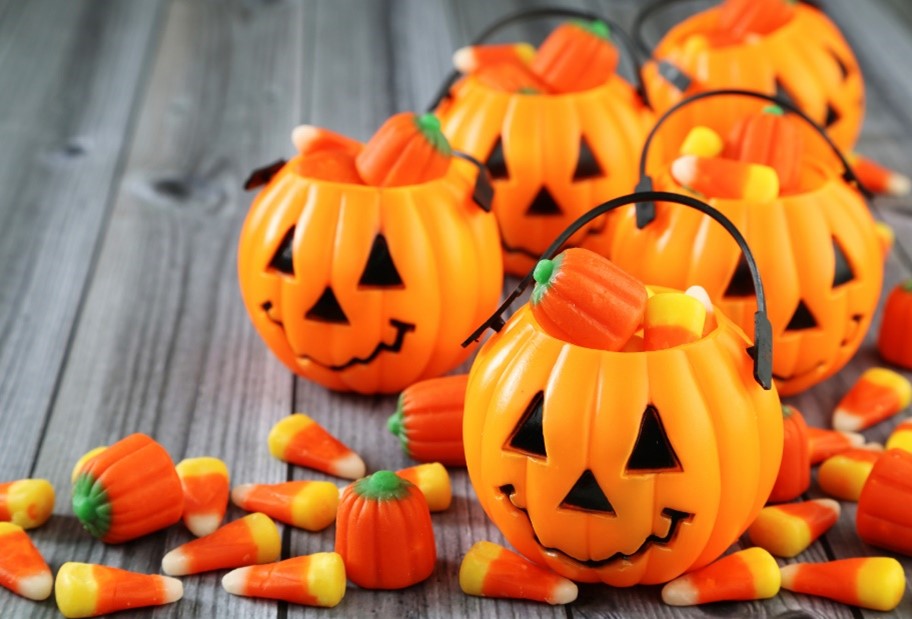
Tips for A Happy and Food Safe Halloween
BOO! Here it comes again, the official (unofficial) holiday of Halloween! There is no doubt, it is beloved by children and adults alike. The costumes, decorations and freaky/fun tricks and treats are wickedly delightful for those who participate before colder weather changes activity opportunities. To ensure it is fun for everyone, set expectations – your goblins and ghouls should know the food safety rules ahead of time to set the stage for happy smiles versus scowls and howls. Here are some ‘tricks” for caregivers hoping for a howling good time!
- Eat before you go out – some great Halloween treat ideas to set the stage are right here (with spooky music!) on Price Chopper YouTube and Pinterest boards. That will make it easier to create the plan that parents/guardians must check items before eating. We have treats for adults too – pumpkin everything and fall favorites to fuel your fun.
- Children should be taught/shown not to accept treats that aren’t commercially wrapped. Throw away anything that is torn, has pinholes, or looks unusual in any way. Fresh fruit, if accepted, should be carefully checked and washed before eating.
- If your child has a food allergy, you already know that treats are tricky. Verify Epi-pens are not expired and are readily available. Always check the labels of each item. Some homes may have a teal-colored pumpkin to signal they have some treats without some allergens, but adults must still check the individual items before eating. The same goes for gluten free candy – The Celiac Disease Foundation has published their 2022 Gluten Free Halloween Candy list – you can download and print the pdf here.
- Ages and stages – some candies are choking hazards for smaller children. Gum, hard candies, peanuts and even small toys could be a concern.
- How much and how often should be part of the plan – a national poll shows 78% of parents plan for about two pieces of candy per day. That helps children learn candy can be part of eating well.
- Flashlights, candy, party supplies and more are all at your local store and online waiting for you to create a “monster” good time. Happy Halloween!
BWAH HA HA HAAAAA!!!!!!!

Get Your Pet Meds at Price Chopper
At Price Chopper/Market 32, we are passionate about supplying our customers with everything they need to keep themselves and their families healthy. Of course, pets are always included in that! We strive to provide the resources they need to live happy. Did you know you can pick up your pet medications from our pharmacies? It’s true! We offer affordable prices and an easy pick-up process at our in-store pharmacies.
We offer top brands like Bavecto, Frontline, and Seresto for fighting fleas & ticks, Bravecto requires a healthcare provider prescription. New, transferred, and authorized refills are included as ordered by a prescriber. Also, your pet is covered with a number of prescription meds for various ailments: Carprofen for arthritis/joint pain in cats and dogs, Heartgard Plus for Heartworm in dogs, eye meds such as Latanoprost, Dorzolamide, and Diclofenac, Levothyroxine for thyroid in dogs, and Vetsulin for diabetes in dogs and cats. For more information please visit our website.
Can’t pick up? Medications can also be delivered via ScriptDrop. Whether it’s to your home, office, or assisted living facility, prescriptions can be hand-delivered by a professional and HIPAA compliant ScriptDrop courier. Click here to find delivery options and participating locations near you!
We believe all good patients deserve a nice, healthy treat so check out our selection of pet treats, sure to make your furry friend smile!
Shop Pet Treats

Why You Should Get Your Flu Shot Every Year
by Angelique Harris
With COVID-19 still maintaining its hold on the world’s health systems, it is important to not disregard the seasonal influenza virus. With flu season rapidly approaching there are many reasons why it is more vital than ever to get vaccinated. Not only will your vaccination contribute to herd immunity protecting those that are unable to get vaccinated, but it also helps reduce flu-related hospitalizations, allowing health care workers to continue to focus on treating patients with COVID-19 and conserving medical resources.
Influenza is very commonly overlooked, and many are unaware of the potential seriousness that it holds as it can be deadly. Approximately, 35.5 million Americans contracted the flu during the 2018-2019 flu season and from those 34,200 individuals died from the illness.1 During the 2019-2020, the flu vaccine prevented an estimated 7.5 million influenza cases, 105,000 associated hospitalizations and 6,300 flu-related deaths. A study conducted in 2014, published in the Journal of Infectious Diseases reported that the flu vaccine prevented pediatric intensive care unit (PICU) admission by 74% from 2010-2012.2
How do flu vaccines work? The influenza virus infects our body by attacking our own cells and modifying the DNA within our cells to create more virus. The flu vaccine is formulated every year in time for flu season. They are made up from inactivated strains of the influenza virus.2 Once vaccinated, the immune system recognizes the foreign invader and quickly starts up the immune response to create antibodies which are cells within our body that can target the virus and extinguish it without affecting our own cells. Since the pathogen has been modified or is already dead, the immune system is able to create antibodies that the body will then use if exposed to a live virus. Therefore, you cannot get the flu from receiving the flu vaccine since it does not have the ability to infect the cells. One important thing to note is that the antibodies generally take a week or more to develop to achieve the full protection offered from the vaccine.3
Why do I need a new vaccine every year? The influenza virus is a master of disguise. Every year it changes its appearance to one that our bodies are not familiar with. With this change in appearance, if you had not gotten vaccinated and you were exposed to the virus, the body would then have to fight harder to prevent the spread of the virus as well as make the antibodies to fight off the infection. During this time, the body has other methods to prevent the spread of infection such as increasing internal body temperature (fever) pulling protein from the body’s muscles (muscle aches), along with washing the germs from the nasal and respiratory system (runny nose, coughing).4
Getting vaccinated can do more than protect yourself from the flu. Herd immunity is what occurs when a vast majority of the population is vaccinated thus making it difficult for the virus to spread. This type of immunity is beneficial to young infants and immunocompromised individuals to have some form of protection.5 People with chronic medical conditions such as heart disease and asthma are at high risk for serious complications leading to possible life-threatening pneumonia.
Getting the flu vaccine is a small act that can have a big impact on protecting those around you and the community.
Sources
- What are the benefits of flu vaccination? [Internet]. Center for Disease Control, National Center for Immunization and Respiratory Diseases. 2021 8 June. [cited 2021 Aug 10]. Available from: https://www.cdc.gov/flu/prevent/vaccine-benefits.htm
- How the Immune System Protects You From Infection [Internet]. Pfizer Pharmaceuticals. [cited 2021 Aug 10]. Available from: https://www.pfizer.com/news/hot-topics/how_the_immune_system_protects_you_from_infection
- Haelle, Tara. Why You Need the Flu Shot Every Year. [Internet]. The New York Times. 2017 Dec 1. [cited 2021 Aug 10]. Available from: https://www.nytimes.com/2017/12/12/smarter-living/why-you-need-the-flu-shot-every-year.html
- How Your Body Fights Off Cold and Flu [Internet]. Vicks. Proctor & Gamble. [cited 2021 Aug 10]. Available from: https://www.vicks.com.au/en-au/science-of-healing/understanding-types-of-illness/how-your-body-fights-off-cold-and-flu
- Franco, Cheryl. Getting the Flu (Influenza) Vaccine: Why It’s Important [Internet]. Children’s Hospital of Los Angeles. [cited 2021 Aug 10]. Available from: https://www.chla.org/blog/rn-remedies/getting-the-flu-influenza-vaccine-why-it-s-important