


 Visit a Local Orchard or Cider Mill This Season!
Written by Jon Waiksnoris, Marketing Intern
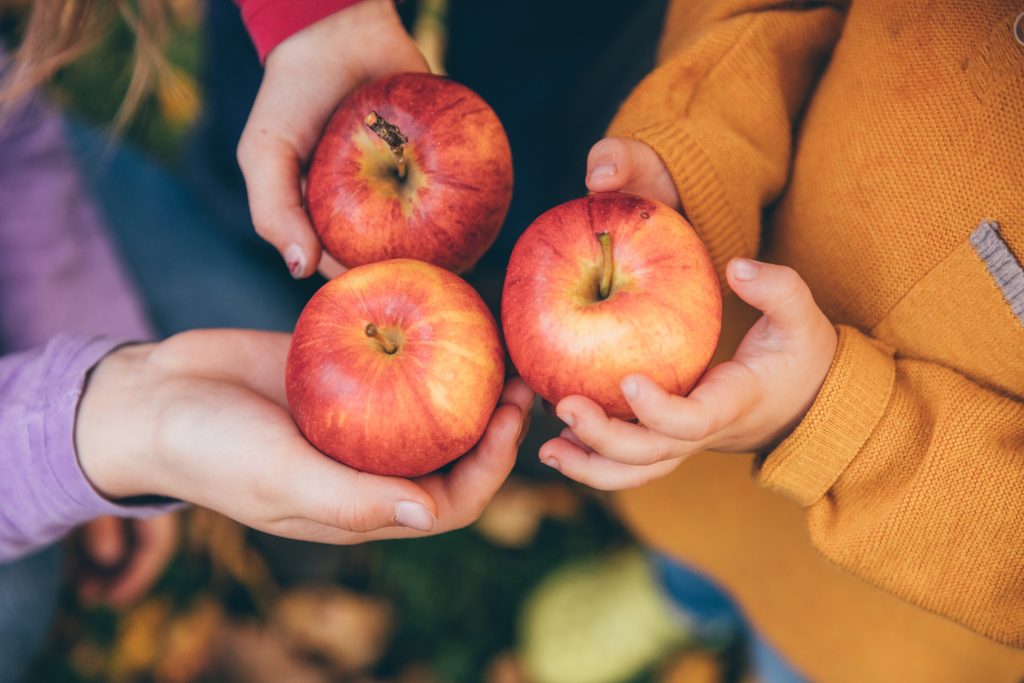
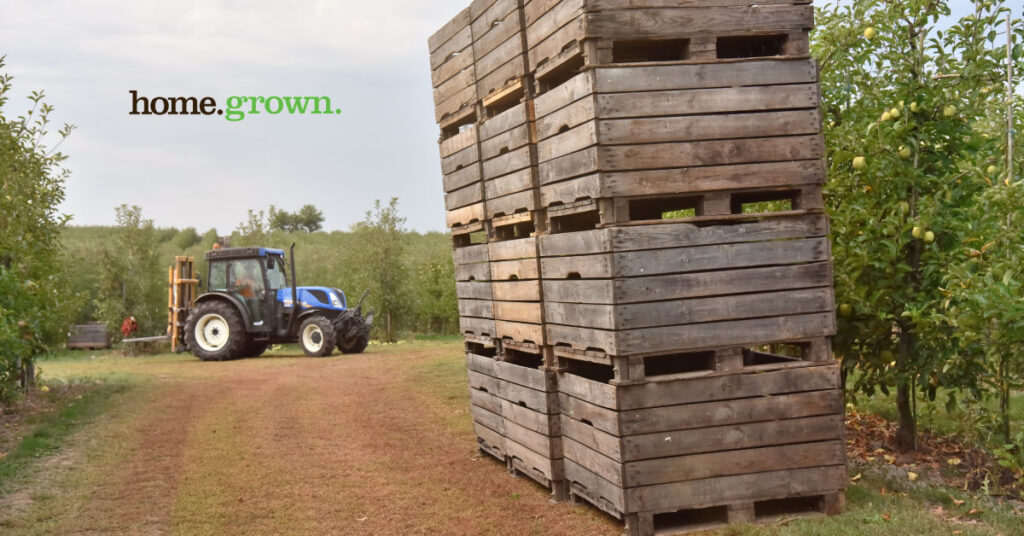
It’s fall in the Northeast, and apple flavors are back in popular taste! Now that the weather has finally cooled down, enjoying a beautiful day at the orchard picking apples and tasting cider is the perfect way to celebrate the season. At Price Chopper & Market 32 we love this time of year, because we team up with a variety of local farms who supply our stores with home.grown. apples and cider every fall.
Rulfs Orchard in Peru, NY has been a local partner of ours for over 20 years! Originally a dairy farmer, Robert Rulfs added a cider mill to his farm in 1983 and never looked back. Today, the orchard offers many different types of produce, apples, and berries. Featuring pick-your-own Macintosh apples, a corn maze and fresh baked goods, Rulfs Orchard is definitely worth a visit this fall!
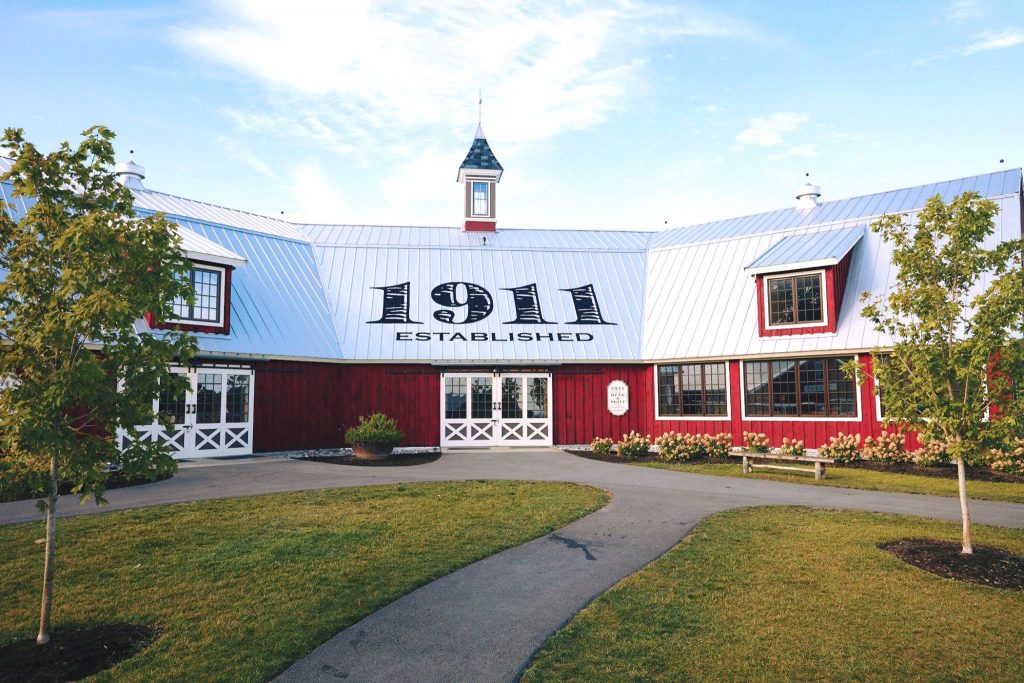
Established in 1911, Beak & Skiff Apple Orchard is the result of onion farmer
Visit a Local Orchard or Cider Mill This Season!
Written by Jon Waiksnoris, Marketing Intern
It’s fall in the Northeast, and apple flavors are back in popular taste! Now that the weather has finally cooled down, enjoying a beautiful day at the orchard picking apples and tasting cider is the perfect way to celebrate the season. At Price Chopper & Market 32 we love this time of year, because we team up with a variety of local farms who supply our stores with home.grown. apples and cider every fall.
Rulfs Orchard in Peru, NY has been a local partner of ours for over 20 years! Originally a dairy farmer, Robert Rulfs added a cider mill to his farm in 1983 and never looked back. Today, the orchard offers many different types of produce, apples, and berries. Featuring pick-your-own Macintosh apples, a corn maze and fresh baked goods, Rulfs Orchard is definitely worth a visit this fall!
Established in 1911, Beak & Skiff Apple Orchard is the result of onion farmer 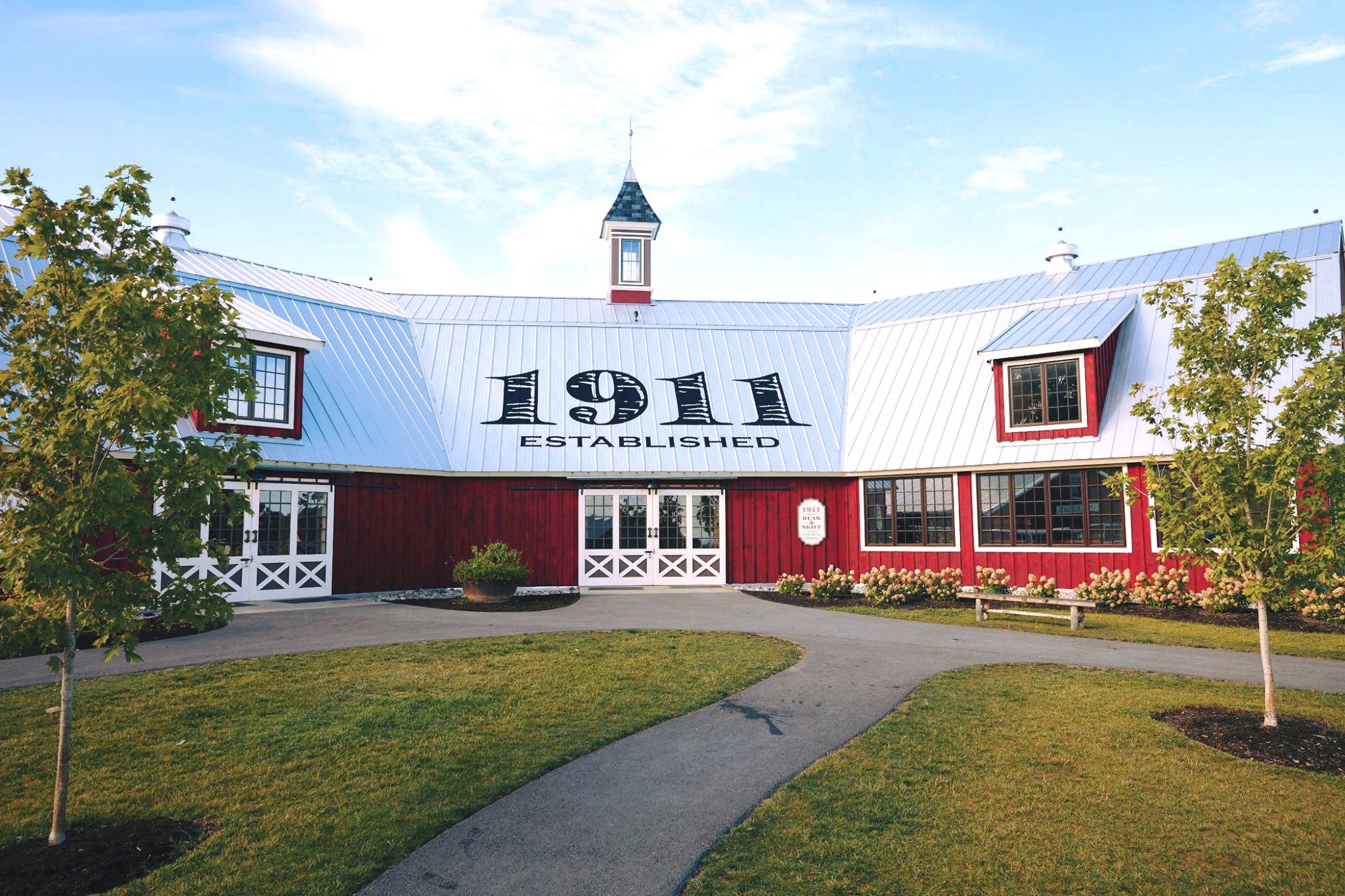 George Skiff and dairy farmer Andrew Beak, joining forces to enter the apple business. Located in Lafayette, NY, Beak & Skiff offers a variety of apples for picking. They also produce delicious cider in their mill using fresh apples exclusively grown on their orchard!
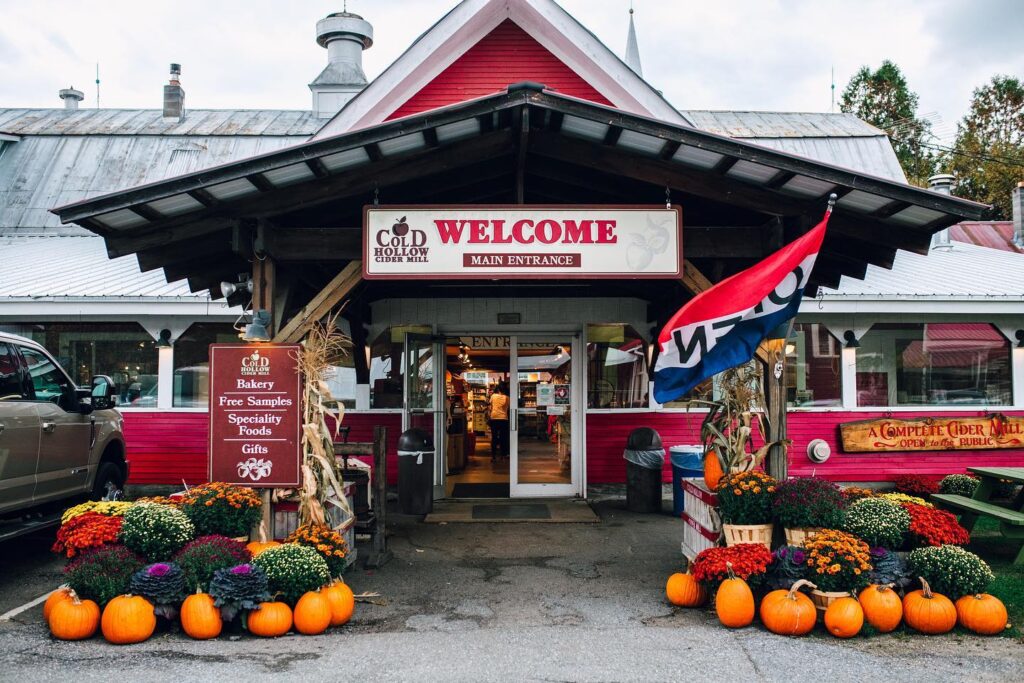
Cold Hollow Cider Mill is a Vermont cider mill we’ve partnered with for more than 20 years! In 1974, Eric and Francine Chittenden began making apple cider for friends, soon after, they realized they should open up a business. They wanted to make cider to distribute to supermarkets, and become a Vermont tourist attraction in the meantime. Today, through their own old-fashioned style, Cold Hollow Cider Mill is both one of New England’s top producers and one of Vermont’s biggest tourist attractions.
Located in Altamont, NY, Altamont Orchards has been a family operated farm in the Capital Region for over 49 years! Dating all the way back to 1792, the farm has been leased and sold numerous times. However, in 1967 the Abbruzzese family became the first family to work and live on the farm. They still own the farm today, promising to raise and produce only the finest products for their community and customers. Be sure to check out their farm market featuring, apples, apple cider donuts, pies, breads, pastries, and more!
Check out the info below to find out more about our local apple partners and what they have to offer!
George Skiff and dairy farmer Andrew Beak, joining forces to enter the apple business. Located in Lafayette, NY, Beak & Skiff offers a variety of apples for picking. They also produce delicious cider in their mill using fresh apples exclusively grown on their orchard!
Cold Hollow Cider Mill is a Vermont cider mill we’ve partnered with for more than 20 years! In 1974, Eric and Francine Chittenden began making apple cider for friends, soon after, they realized they should open up a business. They wanted to make cider to distribute to supermarkets, and become a Vermont tourist attraction in the meantime. Today, through their own old-fashioned style, Cold Hollow Cider Mill is both one of New England’s top producers and one of Vermont’s biggest tourist attractions.
Located in Altamont, NY, Altamont Orchards has been a family operated farm in the Capital Region for over 49 years! Dating all the way back to 1792, the farm has been leased and sold numerous times. However, in 1967 the Abbruzzese family became the first family to work and live on the farm. They still own the farm today, promising to raise and produce only the finest products for their community and customers. Be sure to check out their farm market featuring, apples, apple cider donuts, pies, breads, pastries, and more!
Check out the info below to find out more about our local apple partners and what they have to offer!
Rulfs Orchard: 531 Bear Swamp Rd, Peru, NY / http://www.rulfsorchard.com/ Walhowdon Farm & Orchards: 33 Walhowdon Way, Lebanon, NH Hudson River Fruit: 65 Old Indian Rd, Milton, NY / https://www.hudsonriverfruit.com/ Sunrise Orchards: 1287 N Bingham St, Cornwall, VT / https://sunriseorchards.com/ Crunch Time Apple Growers: Wolcott, NY / http://www.crunchtimeapplegrowers.com/ Jaeschke’s Orchard: 23 Gould Rd, Adams. MA / http://jaeschkesorchard.com/ Brace’s Orchard: 444 Brace Rd, Dallas, PA Beak & Skiff: 2708 Lords Hill Rd, Lafayette, NY / http://beakandskiff.com/ Breezelands Orchards: 1791 Southbridge Rd, Warren, MA / http://www.breezelandsorchards.com/ Mayer Brothers Cider Mill: 1540 Seneca Creek Rd, Buffalo, NY / http://mayerbrothers.com/cider-mill-store/ Fowler Farms: 10273 Lummisville Rd, Wolcott, NY / http://www.fowlerfarms.com/ Rogers Orchard: 336 Long Bottom Rd, Southington, CT / http://www.rogersorchards.com/default.aspx Cold Hollow Cider Mill: 3600 Waterbury Stowe Rd, Waterbury Center, VT / http://www.coldhollow.com Altamont Orchards: 6654 Dunnsville Rd, Altamont, NY / http://altamontorchards.com/
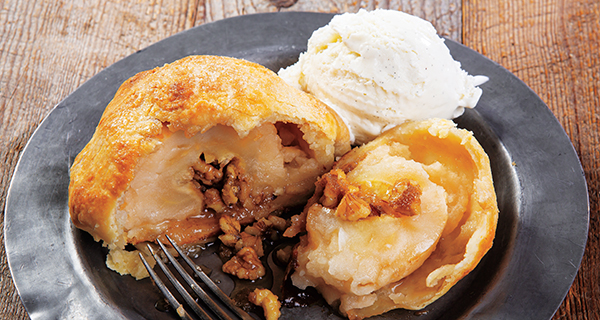
(more…) Written by Molly Zingler, New York Apple Association With so many great-tasting apple varieties available this time of year, it is possible to snack on a different flavor every day for weeks – if not months! New York growers produce more apple varieties than any other state, so when you’ve had your fill of fresh fruit then start baking with them. You turned off your oven for the summer, so now that fall is here let’s ease back into baking gently. First, here are our tips to lay the foundation – crust, if you will – for the best baking experience:- Make the right choice: All apple varieties are not created equally. Choose varieties that are recommended for baking. Which means never choosing Red Delicious.
- Make the hard choice: Select apples that are firm to the touch and aren’t bruised. Handle them gently to prevent blemishes.
- Just say no to the fruit bowl: Refrigerated apples last much longer than room-temperature ones.
- Pucker up to prevent browning: To keep apple slices and dices from browning before baking, bathe them in a mixture of half lemon juice, half water – or 100 percent apple juice fortified with vitamin C. (Lemon juice = citric acid = vitamin C.)
- Get mixed up: When making a pie, crisp, slump, betty, crumble, or any other baked goodie that calls for sliced or diced apples, use a blend of sweet and tart apple varieties for balanced flavor.
- Dress for success: Most of the apple’s health benefits are in the peel, so leave it on.

- 1 refrigerated/ready−made piecrust
- cooking spray
- 6 or 7 baking apples, peeled, cored, and sliced
- 1/2 cup brown sugar
- 1/3 cup chopped walnuts
- 1/4 cup all−purpose flour
- dash of vanilla extract
- 2 Tbsp. butter, cut into pieces
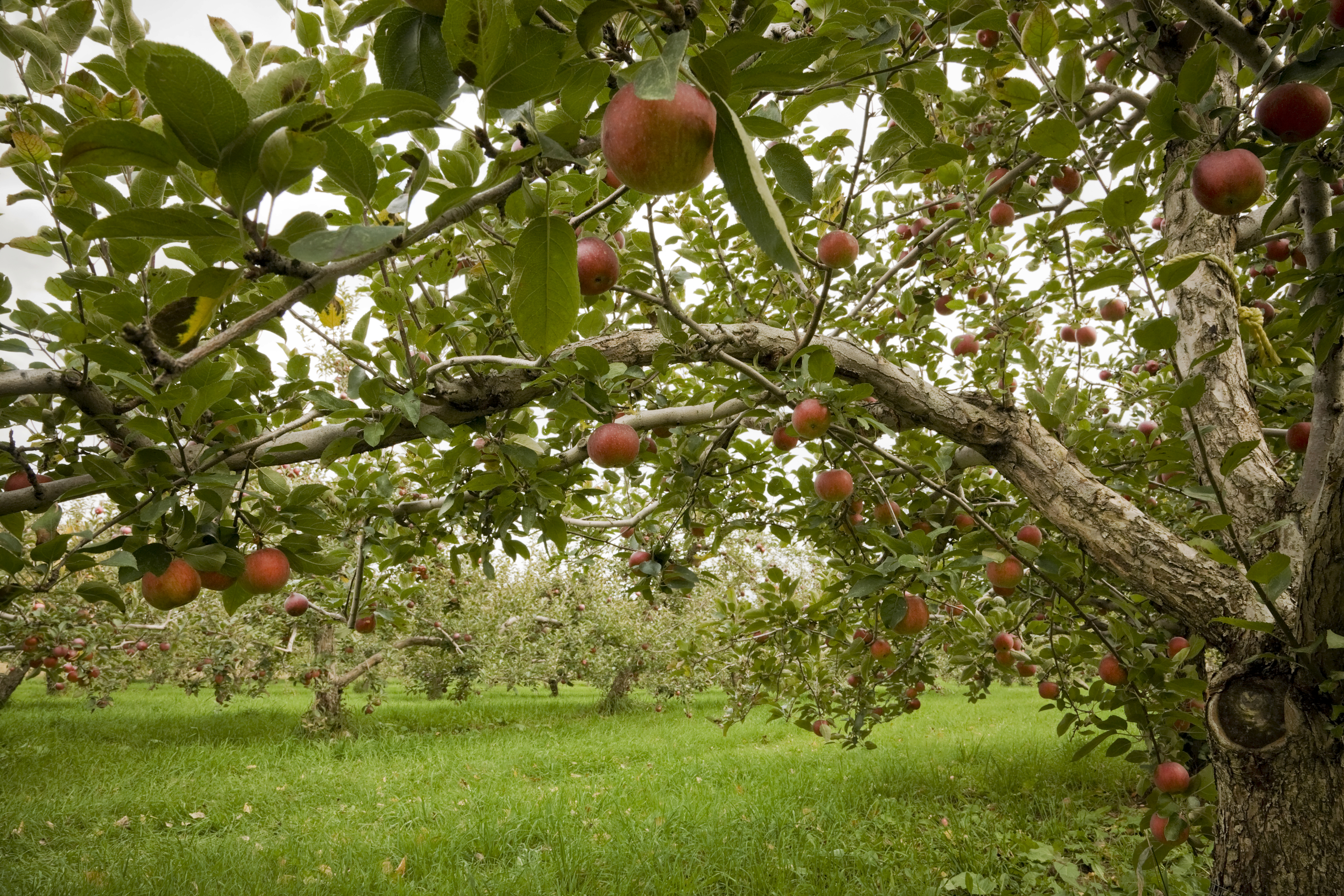 Sunrise Orchards and Roger’s Orchards in Connecticut take great pride in how their apples are grown. Both orchards are certified as Eco Apples™ and have to adhere to strict growing practices in order to receive this certification. The program focuses on the quality of the soil the apples are grown on, and keeping beneficial insects within the environment. As part of this process having as much information about what is going on in the orchard and the plants surrounding the area is essential. By monitoring insect populations, growing conditions, and other factors that are important to the growing process growers can determine whether it is necessary to treat against any unwanted fungus or pest that may be harmful to the apple crop. The Eco Apple™ certification is not given out to every orchard, every year. In order to receive the certification the orchards have to undergo a review by the IPM Institute of North America, to ensure that the growing conditions have been upheld for the year.
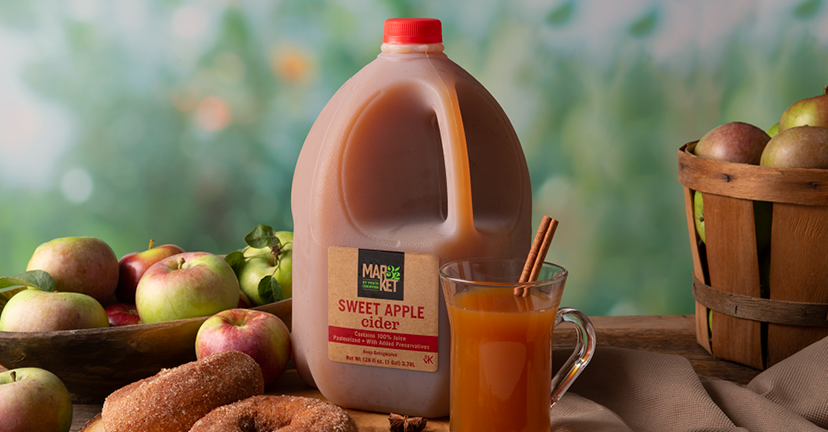
As I mentioned earlier I really love ciders. Every once in a while I may indulge in a hard cider (my favorite is Woodchuck!), but the typical nonalcoholic fare is my true favorite. There is nothing better than a beautiful fall day with a glass of apple cider. I’ve recently been experimenting with warming apple cider for those days when the first fingers of winter reach into the air. I’ve found warming up apple cider and adding a pinch of cinnamon does the trick!
When it comes to apple baking I love the classics. There is nothing better in my mind then a warm slice of apple pie (or a whole apple pie whatever floats your boat). My best friend has recently been trying to teach me how to bake and we decided to start big with the pie. We used this recipe for an apple pie from scratch, but a pre-made or gluten free crust could easily be substituted!
How do you enjoy apples in the fall? Share your apple creations on Instagram with #PriceChopper and #Market32! Written by Sara Lilkas, Marketing Intern
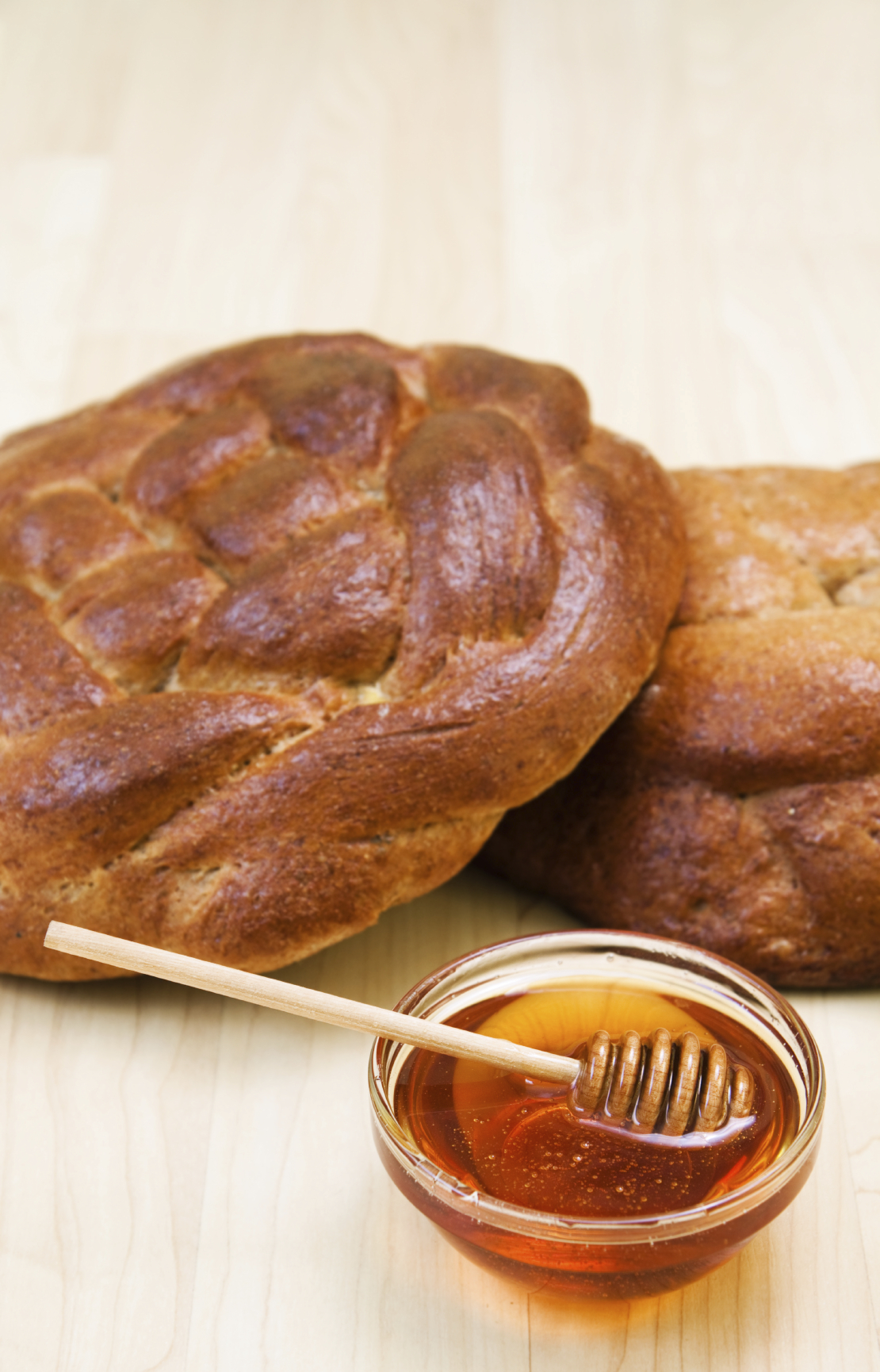
Rosh Hashanah, which means “Head of the Year” in Hebrew, is the beginning of the Jewish year will be observed September 13th through September 15th. Rosh Hashanah is one of the two High Holy Days in the Jewish religion (the other being Yom Kippur) and there are many traditions and rituals that take place during the holiday. As with every major Jewish holiday, women and girls light candles on each evening of Rosh Hashanah and recite the Jewish blessing Leshanah tovah tikateiv veteichateim, “May you be inscribed and sealed for a good year.” One Rosh Hashanah tradition involving food is to eat apples dipped in honey to represent a sweet New Year and round challah bread to represent the cyclical nature of a year. Raisins or apples are also sometimes added to the challah bread to represent the sweetness of a new year in addition to the apples dipped in honey.
Sunrise Orchards and Roger’s Orchards in Connecticut take great pride in how their apples are grown. Both orchards are certified as Eco Apples™ and have to adhere to strict growing practices in order to receive this certification. The program focuses on the quality of the soil the apples are grown on, and keeping beneficial insects within the environment. As part of this process having as much information about what is going on in the orchard and the plants surrounding the area is essential. By monitoring insect populations, growing conditions, and other factors that are important to the growing process growers can determine whether it is necessary to treat against any unwanted fungus or pest that may be harmful to the apple crop. The Eco Apple™ certification is not given out to every orchard, every year. In order to receive the certification the orchards have to undergo a review by the IPM Institute of North America, to ensure that the growing conditions have been upheld for the year.
As I mentioned earlier I really love ciders. Every once in a while I may indulge in a hard cider (my favorite is Woodchuck!), but the typical nonalcoholic fare is my true favorite. There is nothing better than a beautiful fall day with a glass of apple cider. I’ve recently been experimenting with warming apple cider for those days when the first fingers of winter reach into the air. I’ve found warming up apple cider and adding a pinch of cinnamon does the trick!
When it comes to apple baking I love the classics. There is nothing better in my mind then a warm slice of apple pie (or a whole apple pie whatever floats your boat). My best friend has recently been trying to teach me how to bake and we decided to start big with the pie. We used this recipe for an apple pie from scratch, but a pre-made or gluten free crust could easily be substituted!
How do you enjoy apples in the fall? Share your apple creations on Instagram with #PriceChopper and #Market32! Written by Sara Lilkas, Marketing Intern
Rosh Hashanah, which means “Head of the Year” in Hebrew, is the beginning of the Jewish year will be observed September 13th through September 15th. Rosh Hashanah is one of the two High Holy Days in the Jewish religion (the other being Yom Kippur) and there are many traditions and rituals that take place during the holiday. As with every major Jewish holiday, women and girls light candles on each evening of Rosh Hashanah and recite the Jewish blessing Leshanah tovah tikateiv veteichateim, “May you be inscribed and sealed for a good year.” One Rosh Hashanah tradition involving food is to eat apples dipped in honey to represent a sweet New Year and round challah bread to represent the cyclical nature of a year. Raisins or apples are also sometimes added to the challah bread to represent the sweetness of a new year in addition to the apples dipped in honey.
 Different families have different traditions surrounding the holiday that have been passed down throughout the years. After the traditional apples dipped in honey and challah bread are shared there are many different foods prepared for the Rosh Hashanah celebration. Main dishes can vary depending on what your guests enjoy. Some families enjoy chicken dishes, while others may have a more traditional brisket. Side dishes can vary from matzo balls and other traditional foods (Gefilte Fish anyone?), to other dishes that complement your main dish. There’s often roasted vegetables such as carrots and potatoes, but tart foods are generally avoided on this holiday with an emphasis on sweet flavors. As with the apples dipped in honey, sweet flavors are represented throughout the dinner to symbolize the desire for good things in the upcoming year. One of those sweet side dishes you will see featured in most Rosh Hashanah dinners are tzimmes. There are many different variations of this dish, but they are all delicious! If you aren’t sure where to start with your tzimmes here is an easy recipe to follow!
Apples often appear on the dessert menu during the Rosh Hashanah holiday both because of their symbolic significance and because apples often taste sweeter in the fall. There can be everything from apple cakes, pies, or tarts! It ultimately depends on what your family likes to eat. A fun idea is to have people bring different deserts so there is variety, but it also relieves some of the pressure off the host or hostess to prepare a fabulous meal.
For more Rosh Hashanah dinner inspiration check out our Pinterest board! We wish all of our customers observing Rosh Hashanah a Happy New Year!
L’shanah Tovah!
Different families have different traditions surrounding the holiday that have been passed down throughout the years. After the traditional apples dipped in honey and challah bread are shared there are many different foods prepared for the Rosh Hashanah celebration. Main dishes can vary depending on what your guests enjoy. Some families enjoy chicken dishes, while others may have a more traditional brisket. Side dishes can vary from matzo balls and other traditional foods (Gefilte Fish anyone?), to other dishes that complement your main dish. There’s often roasted vegetables such as carrots and potatoes, but tart foods are generally avoided on this holiday with an emphasis on sweet flavors. As with the apples dipped in honey, sweet flavors are represented throughout the dinner to symbolize the desire for good things in the upcoming year. One of those sweet side dishes you will see featured in most Rosh Hashanah dinners are tzimmes. There are many different variations of this dish, but they are all delicious! If you aren’t sure where to start with your tzimmes here is an easy recipe to follow!
Apples often appear on the dessert menu during the Rosh Hashanah holiday both because of their symbolic significance and because apples often taste sweeter in the fall. There can be everything from apple cakes, pies, or tarts! It ultimately depends on what your family likes to eat. A fun idea is to have people bring different deserts so there is variety, but it also relieves some of the pressure off the host or hostess to prepare a fabulous meal.
For more Rosh Hashanah dinner inspiration check out our Pinterest board! We wish all of our customers observing Rosh Hashanah a Happy New Year!
L’shanah Tovah!